 Govind Tekale
—
What has changed since last week: Russia’s foreign minister visited Tehran on Monday for the first time since the US-Iran conflict began approximately eight months ago, and Iran’s seven-day reopening proposal remains on the table — though Washington has publicly rejected it. Neither development has eased the disruption that is keeping Brent crude at approximately $108 a barrel.
Russian Foreign Minister Sergey Lavrov arrived in Tehran on Monday for talks with Iranian Foreign Minister Abbas Araghchi. Lavrov said the aim of the visit was to prevent a return to large-scale war. Russia’s Foreign Ministry stated publicly that the agenda included Gulf stability and energy and logistics cooperation.
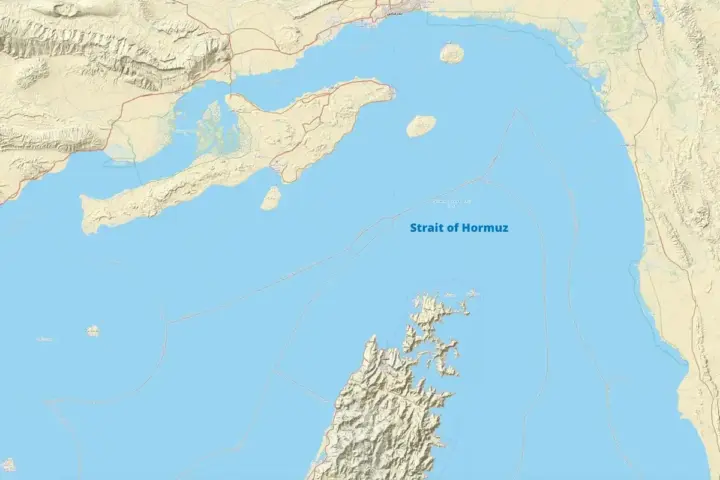
Since earlier coverage of the Hormuz crisis Strait of Hormuz attacks: what's at stake for global shipping, two things have shifted. Iran’s seven-day plan remains on the table: under it, the strait would reopen on the sixth day if the United States ends its naval blockade of Iranian ports, releases frozen Iranian assets, and waives sanctions on Iranian oil sales. Negotiations would then begin on the seventh day. President Trump has publicly rejected the plan. Washington’s stated position is that Iran must make major reductions to its uranium enrichment program.
The Scale of the Disruption
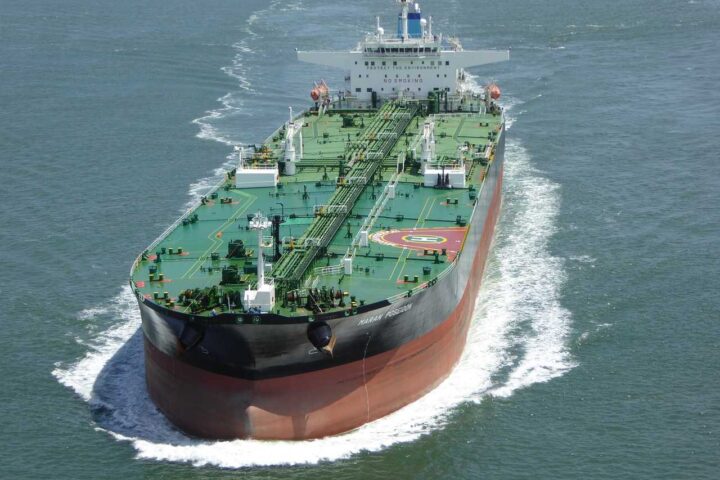
UKMTO data shows Strait of Hormuz transits have dropped roughly 70% to 254 vessels per week, following what the agency describes as at least 12 ships attacked in recent days — the highest rate of attack since the conflict began. Brent crude oil is trading at approximately $108 a barrel.
That price stays elevated as long as commercial shipping avoids the strait. Ships diverting around the Cape of Good Hope add significant time and cost to each voyage, and shippers pass those costs on. You see them in fuel prices, in the cost of electronics and clothing imported from Asia, and in grocery prices, because food supply chains depend on petrochemicals and shipping capacity. Some carriers have begun reintroducing fuel surcharges on long-haul routes not seen in recent years. Flight prices and fuel surcharges: what travelers need to know in 2026
Can Lavrov's Visit Actually Lower Prices?
Talks alone will not reopen the strait or bring down oil prices. The specific conditions each side requires are not things Russia can simply bridge. Iran wants the US to lift its naval blockade, release frozen assets, and waive oil sanctions. Washington wants Iran to significantly cut its uranium enrichment program. Russia can relay messages between the two, but it cannot compel either side to move.
Russia’s Foreign Ministry’s reference to “energy and logistics cooperation” suggests the discussions may focus as much on protecting Russian and Chinese shipping interests as on achieving a formal settlement.
A realistic positive outcome from Lavrov’s visit would be an informal agreement on protected shipping corridors — a temporary arrangement that reduces attacks while formal negotiations continue. That would not bring prices back to pre-crisis levels, but it would slow further increases.
What the Next Steps Are
No joint statement on shipping safety had been issued following Monday’s meetings as of publication. Araghchi told reporters at a joint press conference that regional issues should be resolved through diplomacy and blamed the US for insecurity in the Strait of Hormuz.
The US State Department has not commented publicly on Russia’s role in these discussions. How global oil prices translate to local petrol and diesel costs
For US readers, the domestic fuel price impact of sustained elevated crude is gradually working through to pump prices. For UK readers, petrol prices have been tracking above the January baseline. For Australian readers, commercial operators typically absorb the initial impact before retail pump prices follow with a lag of several weeks.
Formal negotiations between Iran and the US are not scheduled. Diplomacy from Moscow is a step toward talks — not a resolution.
—