Rahul Somvanshi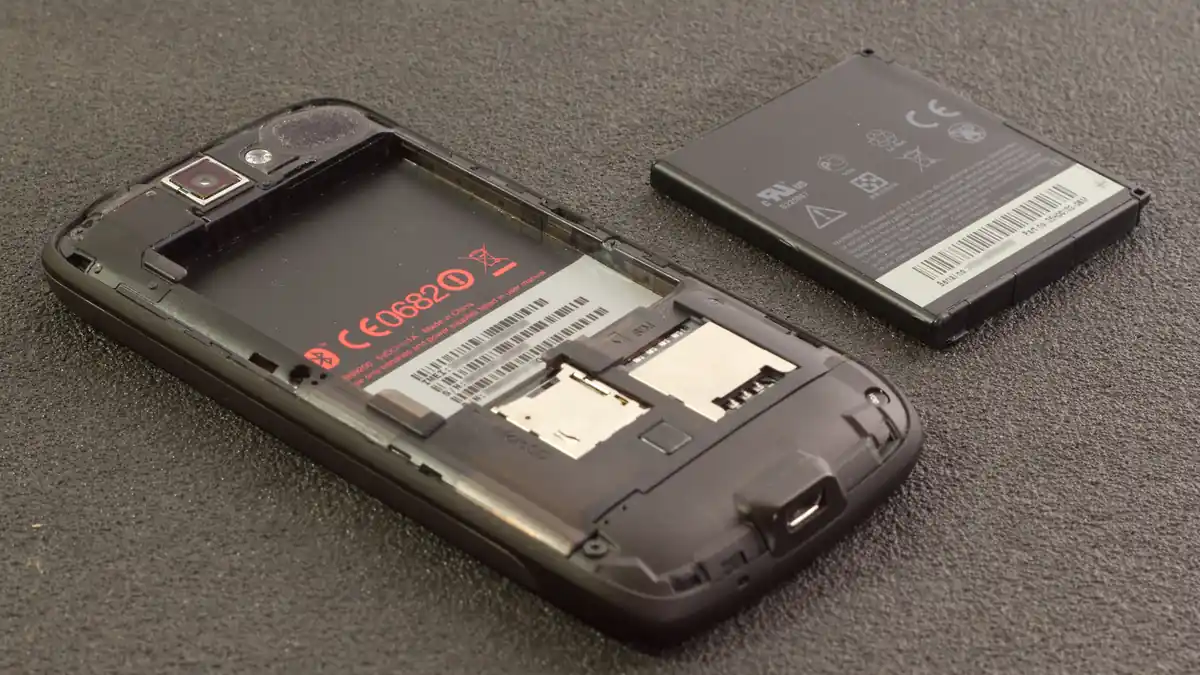
Phone makers have spent a decade gluing batteries shut and calling it water resistance. That trade-off is about to get a legal challenge. The EU Batteries Regulation framework, which already pushed manufacturers toward reasonably priced spare parts, now adds a sharper requirement: batteries in portable devices like smartphones and tablets must be removable and replaceable by the end user, using commonly available tools and without damaging the device.
The rule sits in Article 11 of the EU Batteries Regulation (Regulation (EU) 2023/1542). It targets the physical design of consumer electronics directly, not just how parts are priced or sold. Smartphones and tablets sold in the EU must have batteries users can remove and replace themselves, with no specialized technical skills and no heating or dissolving adhesive, using only commonly available tools. If a manufacturer insists on a special tool, it has to supply that tool for free. The requirement takes effect on February 18, 2027, giving brands a fixed deadline rather than an open-ended transition window.
The practical effect reaches past repair shops. A battery that degrades no longer means a phone that gets replaced. Consumers would be able to swap a worn battery themselves or through any independent repairer, extending a device’s usable life by years. For an industry that sells upgrade cycles, that is a direct hit to one of the strongest drivers of repeat purchases: a battery that quietly dies a little faster than the rest of the phone.
How water resistance and removability coexist
Fairphone, the Dutch manufacturer built around repairability, has shown the two goals are not opposed. Its phones use a user-removable battery held in place with a latch, sealed against moisture with rubber gaskets rather than permanent adhesive. The design still earns a water and dust resistance rating while letting a buyer pop the back cover off with a fingernail. It is a niche product today, built in small volumes, but it proves the engineering constraint manufacturers cite is a choice, not a law of physics.
Larger brands have relied on adhesive strips, foam pads, and fused frames to hit IP68 ratings while keeping internal volume for bigger batteries and slimmer bodies. Switching back to gasket-and-latch systems at scale means redesigning chassis tooling, battery connectors, and structural supports that currently double as waterproofing. That is a real engineering cost, but it is the kind of cost the EU has decided the industry should absorb rather than pass permanently onto consumers through shorter device lifespans.
What this does not cover yet
The removability mandate is distinct from the right-to-repair spare parts rules Karmactive covered earlier this year, which focused on manufacturers offering repair parts at reasonable prices rather than on the physical battery design itself. Together the two measures move in the same direction: a phone that can be opened, fixed, and kept running longer, instead of one engineered to be replaced whole.
Questions remain about which device categories get exemptions, how enforcement will be checked across member states, and whether non-EU manufacturers will build EU-specific variants or simply redesign globally. None of that changes the direction policymakers have set.
The real test lands on February 18, 2027, when the removability requirement takes effect. That is when buyers will see whether a new phone’s back cover comes off with a coin, or whether the rule reshaped how “water resistant” gets engineered in the first place. Worth checking back on this one as the deadline approaches.