 Sonali Tiwary
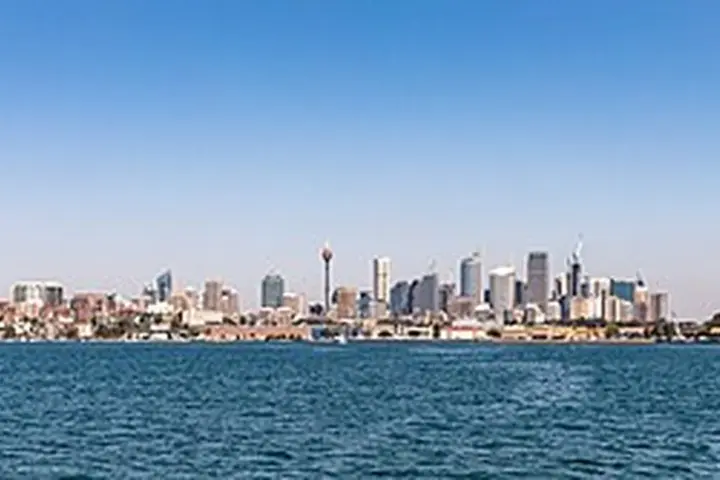
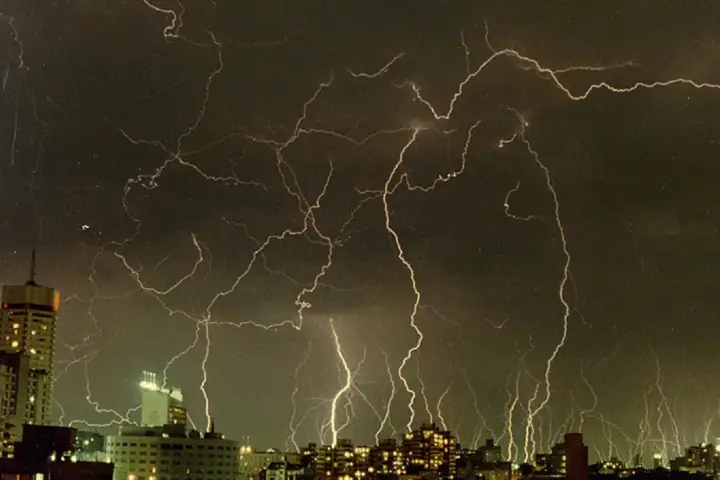
A Total Fire Ban is in place for Greater Sydney and Greater Hunter on Monday 12 October. The NSW Rural Fire Service rated Greater Sydney at Extreme fire danger and Greater Hunter at High. The ban also covers Lower Central West Plains, North Western, Northern Slopes and Upper Central West Plains. Temperatures are forecast to reach 37.7°C at Richmond and around 35°C in the city’s west, with fresh north-westerly winds throughout the morning — and a southerly wind change forecast for late afternoon that marks the day’s most dangerous transition period. The Bureau of Meteorology also flagged the risk of thunderstorms with little rain and dry lightning, which can start fires without warning.
If you live in Sydney’s outer suburbs, the Blue Mountains, Hawkesbury, Hills District, or Sutherland Shire, this is not background weather news. Check your bushfire survival plan before you go outside.
What Is Banned Under a Total Fire Ban in NSW
The NSW Rural Fires Act 1997 prohibits any open-air fire while a Total Fire Ban is active. In plain terms:
- Wood and charcoal barbecues outdoors: banned
- Welding, angle grinding, cutting with power tools, or harvesting machinery that produces sparks: banned
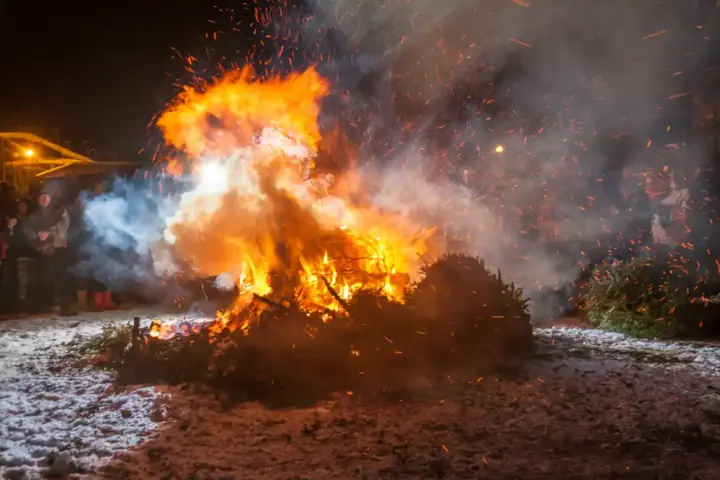
- Burning off garden waste, pile burns, or rubbish fires: banned
- Fireworks: banned
Gas and electric barbecues are permitted only if you stay within 20 metres of a permanent residential structure (or use a council- or park-approved designated picnic area), have a running tap connection within reach, keep all combustible material cleared to at least two metres around the barbecue, and keep a supervising adult present at all times. That condition is stricter than many people assume — a gas barbie at the far end of a backyard on a long hose may not meet the distance and clearance rules.
Penalties for breaching a Total Fire Ban reach $5,500 and/or 12 months’ imprisonment if prosecuted. The RFS also notes an on-the-spot fine of $2,200.
Why the Late Afternoon Is the Most Dangerous Part of Today
Morning fire danger ratings describe conditions when dry northwest winds are pushing air down from the inland. That is serious on its own. The additional hazard today is the forecast wind change: when the front passes through Sydney in the mid to late afternoon, winds will swing southerly. Any grassfire burning in a northwest direction can alter its path and accelerate toward areas that were previously downwind and assumed safe.
Communities near open grassland and bush on Sydney’s urban fringe are most exposed during that transition. The Bureau of Meteorology has recorded below-to-very-below-average rainfall and above-average temperatures for the region heading into this fire weather event. These conditions provide background context; the RFS determines bans from the day’s actual forecast, not from seasonal data alone.
If you live near bushland or fire-prone areas, identify now whether you will leave early or stay and defend. Waiting until smoke is visible leaves neither option properly open.
What to Check Before Tomorrow
The RFS updates fire danger ratings and ban declarations daily. Today’s Extreme rating for Greater Sydney and Total Fire Ban do not automatically carry over — but conditions can escalate as well as improve. Check rfs.nsw.gov.au directly for the current day’s status before any outdoor activity.
The RFS Bush Fire Survival Plan asks every household one question: if a fire threatened your area right now, what would you do? Have that answer ready before you need it.
Is there a total fire ban in Sydney today?
Yes. On 12 October, the NSW RFS listed a Total Fire Ban for Greater Sydney, Greater Hunter, Lower Central West Plains, North Western, Northern Slopes and Upper Central West Plains. Fire danger was Extreme in Greater Sydney and High in Greater Hunter. Check the RFS website directly on the day, as declarations and ratings can change before the next morning.
The RFS generally determines next-day ratings each afternoon. Check @NSWRFS or the RFS website for the updated forecast.