 Tejal Somvanshi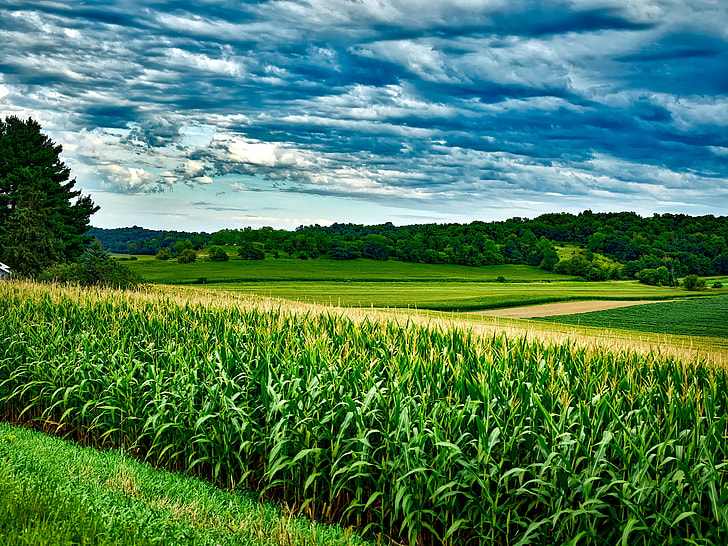
Brightly coloured corn can look like proof that one type is healthier than another. It is not that simple. Kernel colour can reflect plant pigments, while sweet corn is defined mainly by how its kernels store sugar and starch. Those are different traits, and neither “native” nor “hybrid” on its own tells a shopper the fibre, sugar or antioxidant content of a particular crop.
Studies of pigmented maize show that red, purple and blue kernels can contain anthocyanins, a class of plant pigments also found in foods such as berries. But the amount varies by variety, growing conditions and which part of the kernel is eaten. Colour is therefore a useful clue to a plant compound, not a nutrition label or a health guarantee.
Why sweet corn tastes sweeter
Sweet corn is harvested when kernels are young and sugars are still high. A well-studied maize gene called sugary1 also changes how starch is made in the endosperm, the tissue that stores food in the seed. Different sugary1 variants affect kernel sweetness and composition. After harvest, sugars in sweet corn are converted to starch, which is why it tastes less sweet and the kernels become firmer over time.
That biology does not support a blanket claim that sweet-corn hybrids have less fibre or fewer antioxidants than every traditional maize variety. Fibre and phytochemical levels depend on the cultivar, maturity, processing and serving size. Comparing a fresh sweet-corn cob with a dry grain variety is especially misleading because their water content and intended use differ.
For shoppers, the practical answer is straightforward: choose corn varieties you enjoy, include a range of vegetables, and look at the nutrition label when one is available. If a coloured maize product makes a specific health claim, ask for evidence about that product rather than relying on its colour or breeding label.
Does coloured corn have more antioxidants than yellow sweet corn? It can contain anthocyanins when the colour comes from those pigments, but the amount is variety-specific. Anthocyanin content alone does not establish that one corn product will deliver a particular health outcome. A varied diet matters more than treating a single colour of corn as a remedy.
Traditional varieties can be valuable for farming, culture and crop diversity. Sweet corn can also be part of a balanced diet. The evidence supports a more precise conclusion than a colour-versus-hybrid contest: maize traits are diverse, and sound nutrition advice needs a comparison of the actual varieties and foods involved.