 Govind Tekale
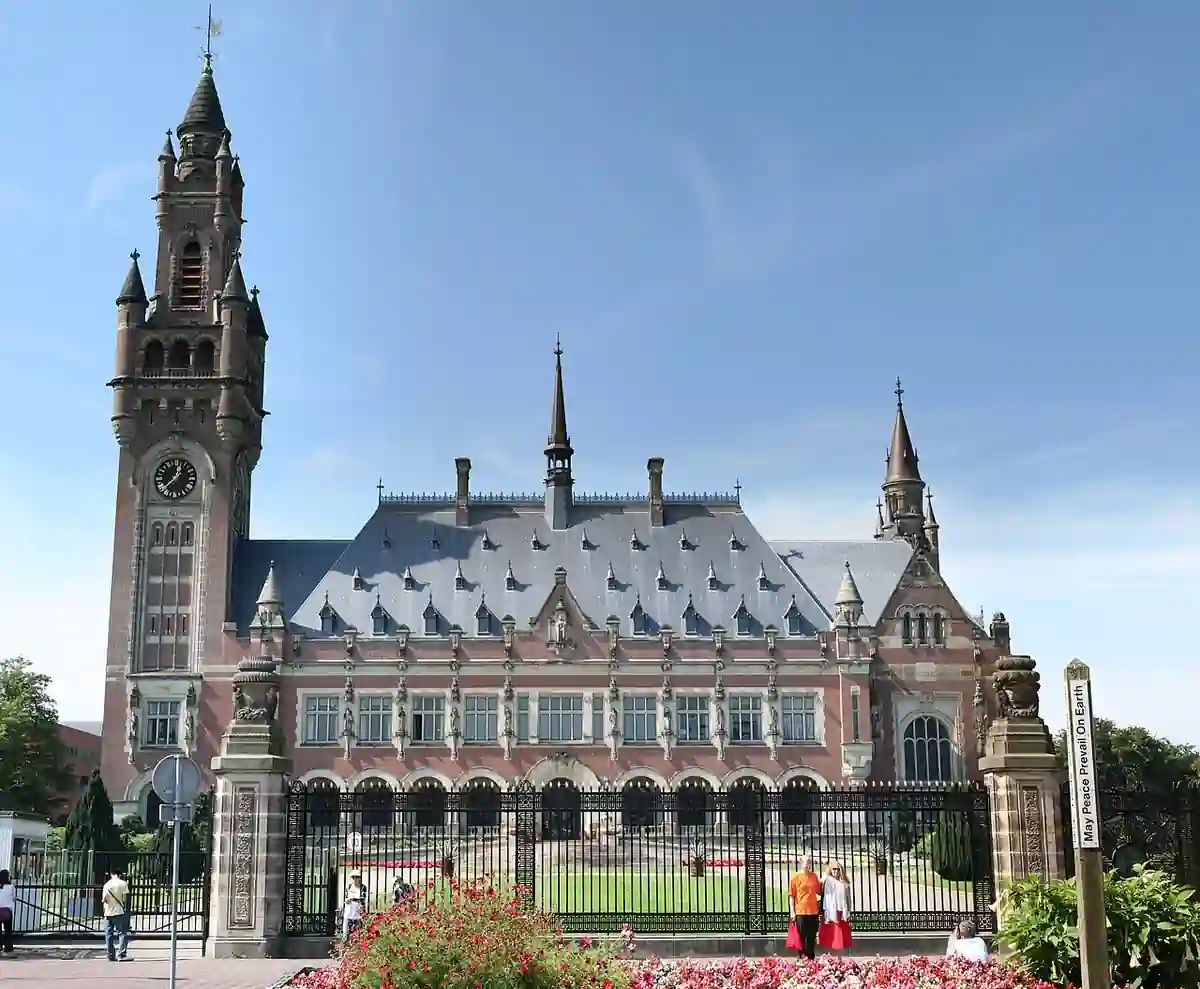
In 2019, 27 law students at the University of the South Pacific in Vanuatu began watching the ocean rise toward their communities and asked a question nobody had formally put to the world’s highest court: could a country be held legally responsible under international law for wrecking the climate? Seven years later, the ICJ’s answer is informing new legal proceedings in France and Japan targeting oil companies and governments.
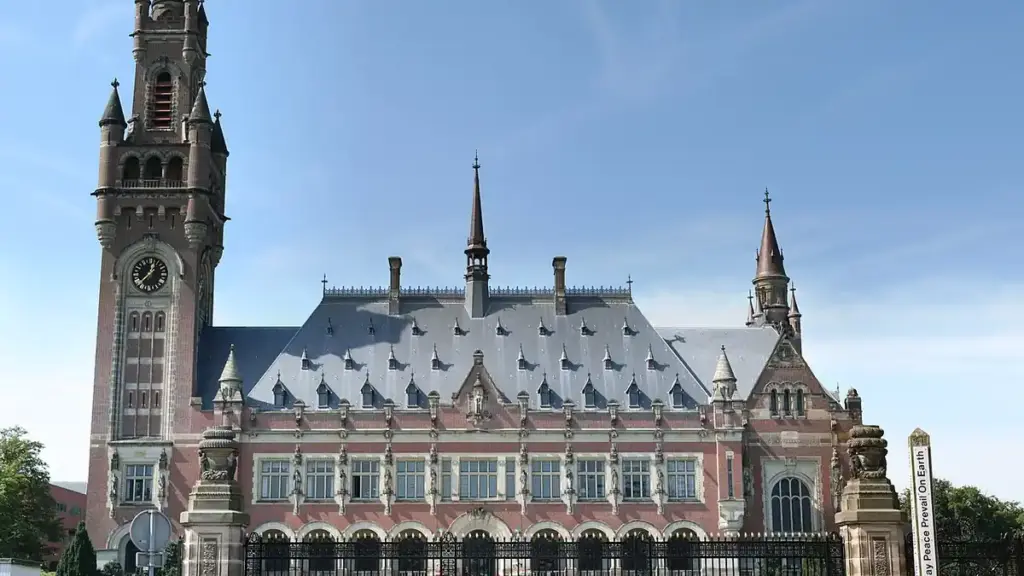
The International Court of Justice delivered an advisory opinion identifying binding obligations under existing international law on every sovereign state to protect current and future generations from climate damage. The ICJ climate change ruling reached The Hague through a campaign backed by Pacific Islands Students Fighting Climate Change (PISFCC), which persuaded the Vanuatu government to bring the question to the United Nations General Assembly. The General Assembly referred it to the court with broad international backing. The court found that failing to reduce greenhouse gas emissions — or approving new fossil fuel infrastructure — may constitute a violation of international human rights and environmental treaties.
The advisory opinion strengthens the legal basis for domestic climate litigation worldwide. While advisory opinions carry persuasive authority rather than direct enforceability, they provide courts with internationally recognized legal reasoning that local judges may cite when assessing government climate obligations. For vulnerable frontline communities, the ruling reinforces the argument that climate commitments carry human rights dimensions, grounding domestic climate cases in international law in ways that were previously less clearly articulated.
From a Classroom in Vanuatu to Courts in France and Japan
The story of the campaign has been brought to international audiences through All Rise!, a short film produced by Open Planet Studios and funded by the Wellcome Trust, featuring PISFCC students including Vishal Prasad, Solomon Yeo, and Romabeth Vikram. Sustainability content creator Sam Bentley (@sambentley) described the chain of events in narrating the film: “These 27 Pacific Island students took the fight for our climate to the world’s highest court and secured a historic ruling. Now their win is driving real change around the world. In a classroom in Vanuatu in 2019, law students watched rising seas threaten their communities’ homes, health and futures. So they set out to hold someone accountable and asked: could a country be held responsible under international law for wrecking the climate? They took it to their leaders, then the UN and finally the International Court of Justice, with scientists, lawyers and communities joining forces along the way.”
On the proceedings now developing in other jurisdictions: “In France, a court ruled that oil giant TotalEnergies must address the climate risks from its fuel. And in Japan, hundreds are now taking their government to court over climate inaction. From a classroom in the Pacific to a movement reshaping climate action worldwide.”
What the ICJ decision contributed at the doctrinal level is significant. International human rights law was linked to cumulative carbon emissions in a single authoritative international opinion. By finding that expanding fossil fuel production may violate the rights of vulnerable populations thousands of miles away, the court addressed a core question that fossil-fuel producing states and multinationals had previously avoided direct international scrutiny on: whether emissions causing harm abroad carry international legal accountability.
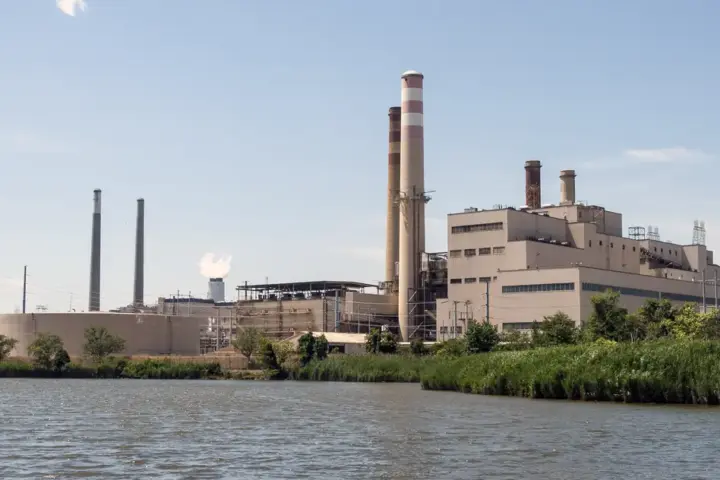
In France, a Paris court in June 2026 ordered TotalEnergies to amend its corporate due diligence plan — known as a vigilance plan — to include Scope 3 emissions from its customers’ use of its products, giving the company six months to comply. In Japan, 16 young plaintiffs filed the country’s first youth climate lawsuit in Nagoya District Court on 6 August 2024, against ten major thermal power companies; that case remains before the court. For anyone following international climate litigation and Pacific climate policy, both proceedings demonstrate how the ICJ’s reasoning is entering domestic legal arguments.
The ruling does not bind countries the way a treaty does. Advisory opinions carry persuasive authority rather than automatic enforcement. But they shift the legal terrain in ways that courts and legal practitioners are already incorporating into climate arguments.
The TotalEnergies vigilance case and Japan’s youth climate litigation remain active. Further citations of the ICJ opinion are expected as climate cases advance in Europe, Asia, and Latin America. Follow [Karmactive’s climate litigation coverage] for updates as domestic judgments develop.