 Rahul Somvanshi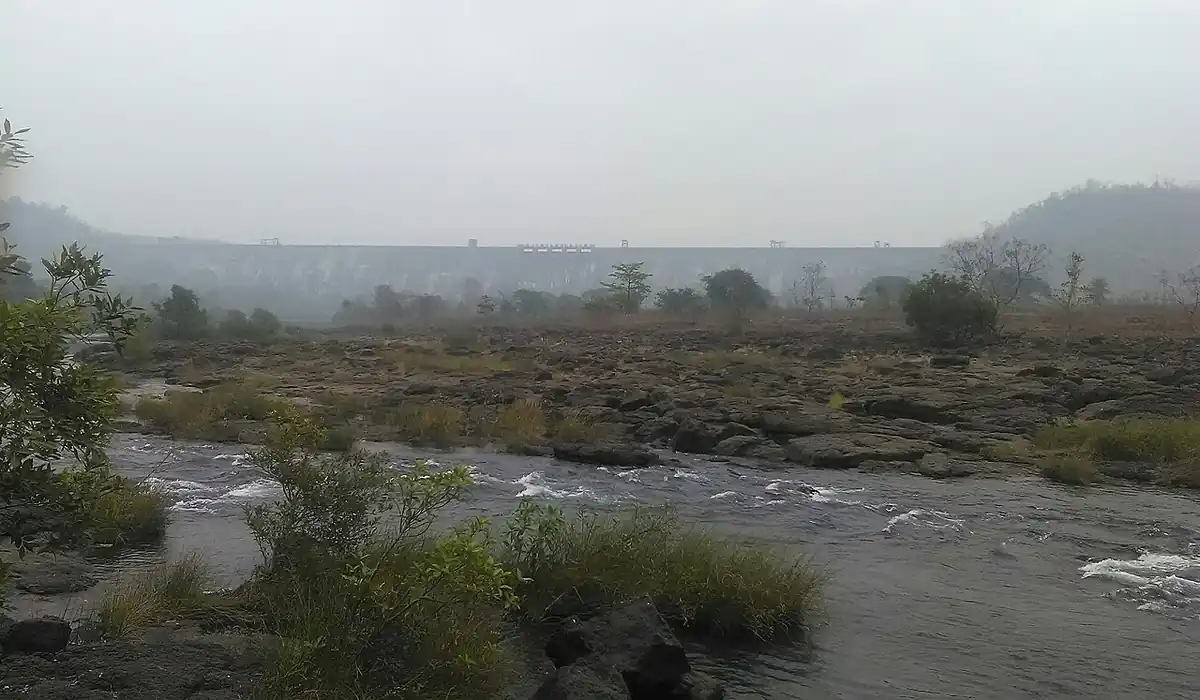
Maharashtra has ordered a minimum 10% water-use reduction across urban local bodies starting October 16, 2026, amid water-stress concerns including an El Niño-related rainfall deficit. If you live in Mumbai, Pune, Thane, or Navi Mumbai, the state directive has been issued — but exactly how it will affect your daily tap depends on how each municipal body chooses to implement it.
Maharashtra Water Resources Minister Girish Mahajan announced the measure following an assessment of reservoir storage levels across the state. The cut takes effect on October 16 and applies to urban local bodies. Industries have been asked to achieve 30% recycled water usage. Local bodies such as the Brihanmumbai Municipal Corporation (BMC) must issue their own implementation details, which means the practical impact on individual buildings and neighbourhoods will vary. The government’s water management plan runs through August 31, 2027.
Beginning October 16, your residential area will face a state-ordered minimum 10% reduction in water use. Housing societies should follow guidance from their local municipal body on how the cut will be applied. Local civic bodies will determine how the state directive is implemented. For the most accurate schedule for your area, check announcements from your specific municipal corporation.
What the order means in practice for households and buildings
The state directive sets a minimum floor — local bodies can impose tighter measures if their reservoir situation warrants it. For most residents, the practical effect will depend on the specific implementation schedule from the BMC or relevant civic authority. Non-essential uses are the primary targets: gardens, vehicle washing, and decorative water features in commercial and residential premises should be reduced.
The state directive asks industries to use treated wastewater for purposes like gardening, construction, and washing rather than drawing from potable municipal supply. Local civic bodies are responsible for specifying the exact enforcement framework applicable in each jurisdiction.
Water stress in Maharashtra this season is connected to a below-average monsoon influenced by El Niño conditions. The possibility of further conservation measures ahead of the summer season cannot be ruled out depending on how reservoir levels develop.
For related context, see our coverage of Maharashtra’s water management history and our guide to understanding El Niño effects on India’s monsoon.
Implementation details from local municipal bodies are expected ahead of October 16. Those announcements will confirm specific supply windows and any area-by-area variation. Check back for updates as the local implementation details are published.