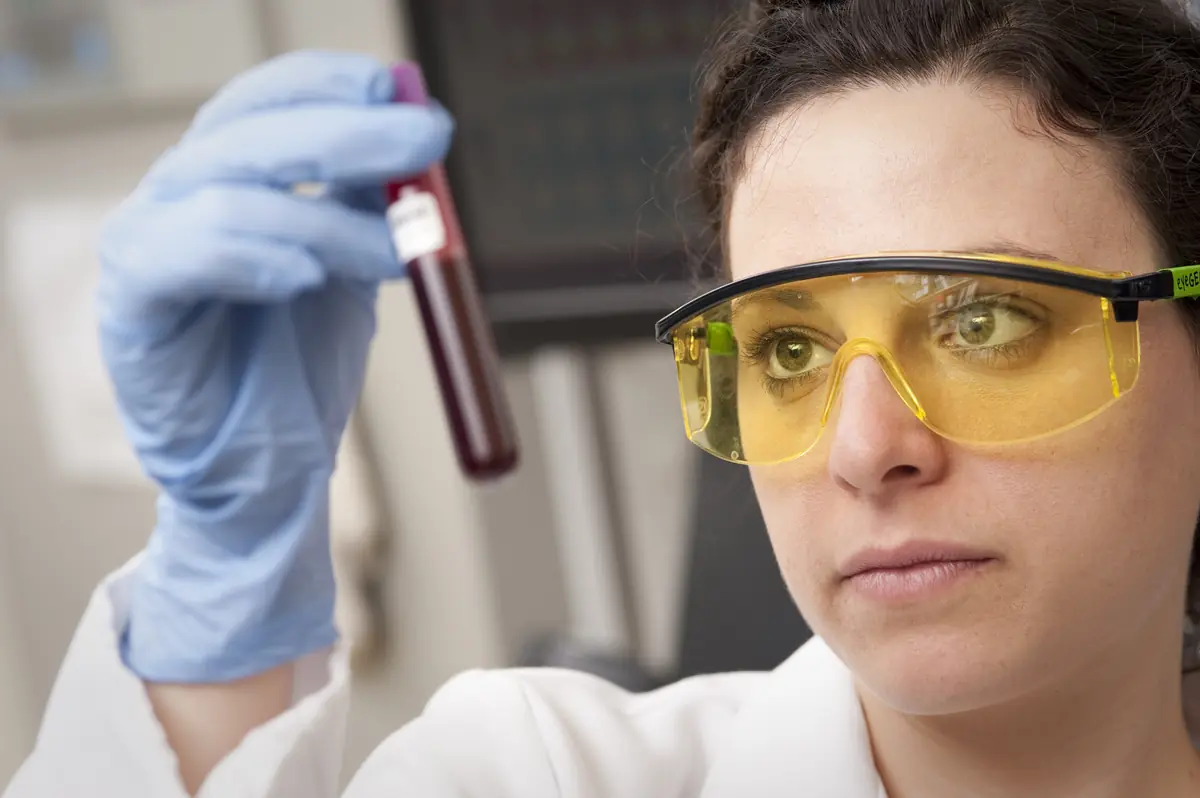
If you’ve encountered wellness content claiming a 24-hour fast produces the same cellular benefits as a multi-day fast, a clinical study published in Nature Metabolism has a direct answer: the evidence doesn’t support it. The systemic protein-level shifts that researchers observed didn’t become clearly evident until after three days of complete caloric deprivation.
Researchers from Queen Mary University of London’s Precision Healthcare University Research Institute and the Norwegian School of Sport Sciences tracked 12 healthy volunteers through a medically supervised 7-day water-only fast, monitoring changes in approximately 3,000 proteins in their blood before, during, and after the fast. The study found that one in three of the proteins measured changed significantly during fasting across all major organs. These broader multi-organ adaptations became clearly evident after about day three. Among the most notable changes was an extreme shift in tenascin-R, a brain-specific extracellular matrix protein. Participants lost an average of 5.7 kg (±0.8 kg) during the fast, and Queen Mary’s researchers confirmed that lean mass loss was largely reversed after normal refeeding.
Attempting prolonged water-only fasting without clinical supervision carries serious risks including electrolyte imbalances, fainting from low blood pressure, and refeeding complications if food is reintroduced too rapidly. The study’s 12 participants were monitored under continuous medical care with structured refeeding protocols. Anyone considering extended fasting beyond a day or two should consult a physician first, particularly those with underlying health conditions.
What the Day 3 Threshold Actually Means
The study describes distinct protein-level changes that became evident after about three days of fasting. Before that point, the body manages the acute transition from burning glucose to burning stored fat and ketones. After three days, systemic protein-level adaptations across major organs became apparent in the data — including the brain-specific extracellular matrix changes and broader metabolic shifts.
This finding is relevant for interpreting popular wellness claims about intermittent fasting. The multi-organ protein changes the study documented require sustained deprivation at a level that carries real medical risk — a level that standard intermittent fasting protocols (16–24 hours) do not reach.
The Weight Loss Reality
The average 5.7 kg loss appears substantial. But participants regained a meaningful portion after refeeding because much of the initial drop was glycogen-bound water (the body stores roughly 3–4 grams of water per gram of glycogen) and lean muscle mass, not purely fat. Queen Mary confirmed that the lean mass loss was largely reversed once normal eating resumed. For anyone considering extended fasting as a weight-loss approach, the study suggests short-term scale results overstate actual fat reduction.
The Four Clinical Risks
The major dangers associated with prolonged unsupervised fasting are: dangerous drops in electrolytes like potassium and sodium (hypokalemia and hyponatremia), orthostatic hypotension (fainting when standing), acute gout flares from uric acid spikes, and refeeding complications triggered by reintroducing food too rapidly after extended starvation. Medical guidance is advisable before attempting extended fasting, particularly for anyone with cardiovascular, metabolic, or kidney conditions.
Secondary papers detailing post-fasting muscle recovery timelines are expected in follow-up publications from the same research group.
\
\ .karmactive-push-footer { max-width: 720px; margin: 32px auto 0; padding: 22px 24px; border-radius: 14px; background: \#f0f4f8; border: 1px solid \#d8e4ea; text-align: center; font-family: \-apple-system, BlinkMacSystemFont, “Segoe UI”, Roboto, sans-serif; } .karmactive-push-footer h4 { margin: 0 0 6px; font-size: 1.15rem; color: \#102a43; } .karmactive-push-footer p { margin: 0 0 16px; font-size: 0.92rem; color: \#4a5568; line-height: 1.5; } .karmactive-push-actions { display: flex; gap: 10px; justify-content: center; flex-wrap: wrap; } .karmactive-push-btn { display: inline-flex; align-items: center; gap: 6px; min-height: 44px; padding: 10px 20px; border: 0; border-radius: 999px; font-size: 0.92rem; font-weight: 700; cursor: pointer; text-decoration: none; transition: transform 0.15s ease, box-shadow 0.15s ease; } .karmactive-push-btn:hover { transform: translateY(-2px); } .karmactive-push-btn:active { transform: translateY(0); } .karmactive-push-btn.primary { background: \#63b89c; color: \#082032; box-shadow: 0 6px 16px rgba(99, 184, 156, 0.35); } .karmactive-push-btn.secondary { background: \#fff; color: \#102a43; border: 1.5px solid \#d8e4ea; } .karmactive-push-status { margin-top: 12px; font-size: 0.84rem; color: \#5a6e7e; min-height: 1.2em; } @media (max-width: 600px) { .karmactive-push-footer { margin-left: 0; margin-right: 0; border-radius: 10px; padding: 18px 16px; } .karmactive-push-actions { flex-direction: column; } .karmactive-push-btn { width: 100%; justify-content: center; } } \
\
\
\
\
🔔 Enable push notifications
\
Subscribe by email
\
\
\
\
\
(function () {
var btn \= document.getElementById(‘karmactivePushBtn’);
var status \= document.getElementById(‘karmactivePushStatus’);
if (\!btn) return;
function setStatus(msg) {
if (status) status.textContent \= msg;
}
function fallback() {
setStatus(‘Push notifications are not supported in this browser. Try the email option above.’);
}
btn.addEventListener(‘click’, function () {
try {
/\* OneSignal v16+ deferred SDK \*/
if (window.OneSignalDeferred && Array.isArray(window.OneSignalDeferred)) {
setStatus(‘Opening notification prompt…’);
window.OneSignalDeferred.push(function (OneSignal) {
if (OneSignal && OneSignal.Notifications && typeof OneSignal.Notifications.requestPermission \=== ‘function’) {
OneSignal.Notifications.requestPermission()
.then(function () {
setStatus(‘You will receive push notifications when new articles are published.’);
})
.catch(fallback);
} else {
fallback();
}
});
return;
}
/\* OneSignal direct object \*/
if (window.OneSignal && OneSignal.Notifications && typeof OneSignal.Notifications.requestPermission \=== ‘function’) {
OneSignal.Notifications.requestPermission()
.then(function () {
setStatus(‘You will receive push notifications when new articles are published.’);
})
.catch(fallback);
return;
}
/\* Older OneSignal SDK \*/
if (window.OneSignal && typeof OneSignal.push \=== ‘function’) {
setStatus(‘Opening notification prompt…’);
OneSignal.push(function () {
if (typeof OneSignal.showSlidedownPrompt \=== ‘function’) {
OneSignal.showSlidedownPrompt();
} else {
fallback();
}
});
return;
}
fallback();
} catch (e) {
fallback();
}
});
})();
\



Latest from Health

Pennsylvania Measles Outbreak: What Families Should Do

Niamh O’Brien’s death at 52 raises questions about lung-transplant waiting lists and warning signs

Resistance training after 40: how regular workouts help preserve muscle strength

Bangladesh measles outbreak: why vaccination gaps are putting children at risk

COVID cases rise in the UK as XFG spreads: who faces higher risk and when to seek help

NHS mental health wards use AI sensors overnight: what Oxevision records and what patients can ask
Early-onset cancer rose 79% since 1990—what younger adults should know
Broward dengue case: what Florida residents should know about local mosquito transmission

2026 Nobel Prize Honors Optogenetics: How Light Can Control Brain Cells
Russian Plague Lab Death Remains Unconfirmed as U.S. Says It Is Willing to Help

Four Daily Habits Slow Muscle Loss as You Age; Progressive Resistance is Key

Healthy Festival Foods: Avoid Deep-Fried Durga Ashtami Offerings

Nathan Charles, Rugby’s Only Known Elite Player With Cystic Fibrosis, Diagnosed With MND at 37

Sustainable Rangoli: Natural Colors for Dussehra Celebrations