 Rahul Somvanshi
**A glacier collapse along the Nepal-China border sent walls of water crashing through villages in August 2026, leaving more than 1,300 people missing and 27 confirmed dead as rescue teams race against the monsoon rains.**
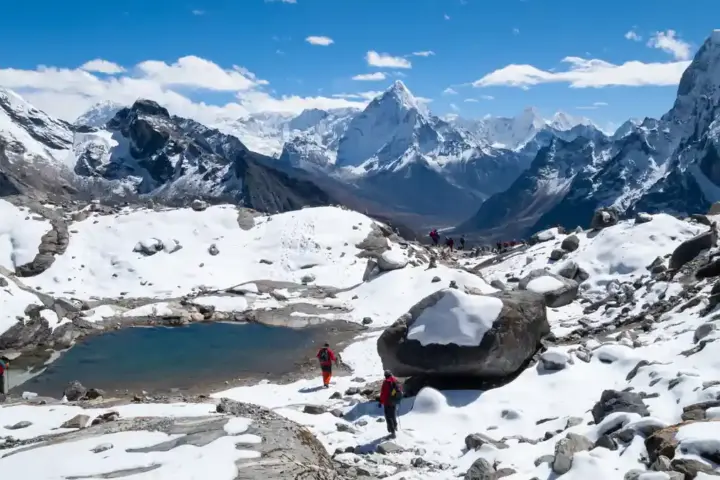
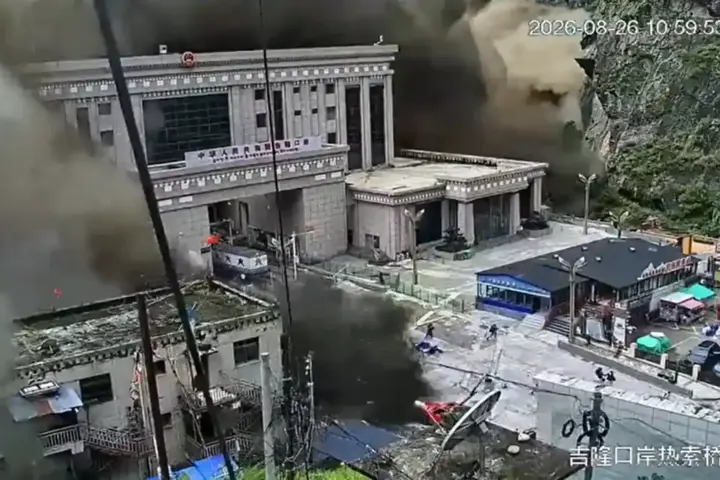
The disaster struck when rising temperatures destabilised a glacier high in the Himalayas. The ice gave way, triggering a debris avalanche that plunged into a river below, creating a flash flood that swept through settlements on both sides of the border. The US Geological Survey documented the event as a 2026 Nepal Debris Avalanche and Flash Flood, confirming the scale of the destruction.
Residents described a sound like thunder followed by walls of water reaching the villages within minutes. There was no time to warn everyone. People grabbed what they could and ran. Those who stayed behind are still missing.
The Nepali government has deployed military teams to search the hardest-hit areas. But the monsoon season is not over. More rain is forecast. And the glacier that collapsed is not the only one showing signs of instability across the Himalayas.
A PBS analysis published this month found that climate change made the Nepal glacier collapse more likely. The warming trend across the Himalayas is accelerating glacier melt at a rate scientists did not predict for another decade. What happened in August 2026, they say, is a preview of what the region can expect in the years ahead.
**The families living along Nepal’s river basins are the ones who will live with this.** A farmer who depends on the river for irrigation watches the water level every morning, wondering if the next surge will reach his fields. The warning systems installed after previous disasters may not be enough. The glacier that collapsed was beyond the range of existing early-warning sensors.
If the warning systems fail again during monsoon 2027, communities downstream lose their only chance to evacuate before the next flash flood hits. That is the consequence no one wants to speak about out loud.
The Reuters mapping report traced exactly how the glacier collapse triggered the landslide and flooding along the border. The avalanche didn’t just hit one village. It redirected the river, flooded agricultural land, and buried roads that connect remote communities to the nearest towns. Recovery will take months, even where the water has receded.
Britannica has already added a Nepal floods of 2026 entry to its disaster database, marking the event as one of the deadliest glacier-triggered floods in recent Himalayan history. The BBC reported that Nepal’s prime minister called the disaster a warning to the world about climate change.
A new flood study that Nepal is preparing will be used to claim millions from the UN climate disaster fund. This is the first time a Himalayan nation has pursued this funding mechanism after a glacier-triggered disaster. The money would go toward early-warning systems, evacuation routes, and climate-adaptation infrastructure. But the fund’s disbursement process is slow. Villages need help now.
**What caused the Nepal glacier collapse?** Rising temperatures destabilised the glacier ice. Climate change made the event more likely, according to PBS analysis. The Himalayas are warming faster than the global average, and glaciers that took centuries to form are disappearing within decades.
**How many people are missing?** Over 1,300 missing across Nepal and Tibet, according to the New York Times. The Nepali government confirmed 27 deaths, but local officials say the toll is higher. Rescue teams are still searching.
**What is Nepal doing about flood warnings?** The government is deploying new early-warning systems along river basins. The UN climate disaster fund application includes money for evacuation infrastructure. But sceptics note that previous warning systems failed during the August collapse, and the new systems face the same terrain challenges.
The glacier that collapsed in August 2026 was not the only one under stress. Satellite data shows Himalayan glaciers retreating at an accelerating rate. The debris avalanche entered the river at a volume that existing sensors could not detect. The flash flood reached villages before anyone could sound the alarm.
The BBC reported that families are still searching for missing relatives. The emotional toll is stacking on top of the material losses. Homes are gone. Roads are buried. The next monsoon season is eight months away, and the fear is that the same thing happens again.
Nepal’s prime minister has called the disaster a warning to the world. The UN climate disaster fund application is pending. The USGS documentation is complete. The PBS analysis is published. The Reuters mapping report is available. What is not yet available is the protection that these communities need before the next glacier lets go.
The glacier collapse that flooded Nepal-China border villages in August 2026 left over 1,300 missing and 27 confirmed dead. Climate change made the disaster more likely, according to PBS analysis. Nepal is now pursuing UN climate disaster fund money for early-warning systems and evacuation infrastructure. The monsoon season is not over. The next glacier collapse could come faster than the warning systems can respond.
—