 Sunita Somvanshi
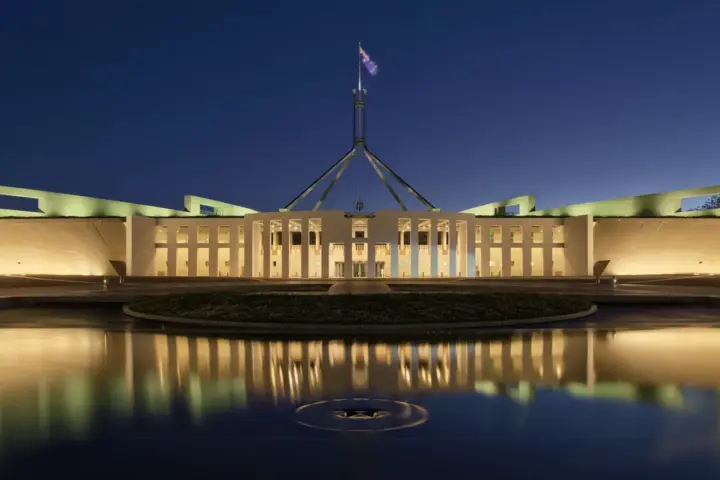
If you have a variable-rate home loan, yesterday’s Reserve Bank announcement directly changes what you’ll pay each month. The RBA raised the official cash rate by 25 basis points to 4.60% on 29 September 2026 — a unanimous decision that puts the rate at its highest level since around 2011. The board said it will continue to do what it considers necessary to bring inflation back to target, including raising the cash rate further if needed.
The RBA board voted unanimously to lift the cash rate target from 4.35% to 4.60%, effective 30 September 2026. The decision was made at the September board meeting and announced the same day. The board said inflation remains elevated and that some of the upside risks to inflation are materialising since the August meeting. Global energy prices are now much higher than had been assumed in the August forecasts, partly due to further disruptions to global oil supply. AI-related demand is also driving rapid growth in global prices for technology-related goods.
For a variable-rate mortgage holder on a $600,000 principal-and-interest loan with 25 years remaining, a 25-basis-point increase adds roughly $90–$95 per month to repayments — though the exact figure depends on your lender’s current rate, loan structure and remaining term. Lenders set their own timelines for passing on rate movements; borrowers should check their lender’s announcement rather than assuming a fixed timeframe. This increase stacks on top of all previous tightening in the current cycle.
Why Rates Are Rising When the Economy Is Slowing
The RBA’s September statement contains a tension that’s worth understanding. Housing prices have fallen in most capital cities. New housing loans have declined noticeably. Consumer spending is easing. In most circumstances, those signals argue for caution on rate increases.
The board raised regardless because the inflation picture moved in the wrong direction. Global oil-supply disruptions pushed energy prices above the RBA’s August assumptions. The board also said recent data suggest that growth and inflation in Australia have been higher than expected.
The board explicitly named AI-related demand for the first time in a rate decision — noting it is driving rapid growth in global prices for technology-related goods. Whether this becomes a more dominant pressure on domestic inflation will depend on how those global price shifts flow through.
The combination meant the board judged that another increase was warranted to ensure inflation returns to the 2–3% target band and does not become embedded in the economy at elevated levels.
Will There Be Another Rate Rise?
The RBA’s statement was specific: the board “will continue to do what it considers necessary to bring inflation sustainably back to target, including increasing the cash rate target further if needed.” The next scheduled board meeting runs 2–3 November 2026, with the monetary policy decision announced on 3 November. A quarterly Statement on Monetary Policy is also released at that meeting.
Borrowers on fixed rates aren’t directly affected by Tuesday’s announcement, but fixed terms set in 2022 and 2023 will continue rolling off through 2026 and 2027. Rolling onto a standard variable rate at 4.60% from a lower fixed rate represents a large monthly payment adjustment for many households.
For context on how the current rate cycle has affected [Australian household borrowing costs over the past three years](/australia-mortgage-rate-history), or what [rising energy prices mean for household budgets](/australia-energy-costs-2026) across different states and income groups, both are covered on Karmactive.
Frequently Asked Questions
Why did the RBA raise interest rates in September 2026? The RBA said some of the upside risks to inflation are materialising. Global oil-supply disruptions pushed energy prices well above the bank’s August forecasts, and recent data showed growth and inflation in Australia were higher than expected. The unanimous board judged that another increase was necessary to bring inflation back toward the 2–3% target band and prevent it from becoming embedded.
What is Australia’s official cash rate now? 4.60%, effective from 30 September 2026. This is the highest level since around 2011.
Will the RBA raise rates again? The board said it will raise the cash rate further “if needed.” The next decision is announced on 3 November 2026. Whether rates move again depends primarily on upcoming economic data, including the next quarterly inflation figures.
The 3 November 2026 RBA decision is the next major point. Updated economic data published before that meeting will shape whether the board moves again or holds. Check back after that announcement for a full breakdown of what any further change means for borrowers.