Sunita Somvanshi
US and China Cut Tariffs on $60 Billion in Goods Under 30-for-30 Framework, Soybeans Excluded
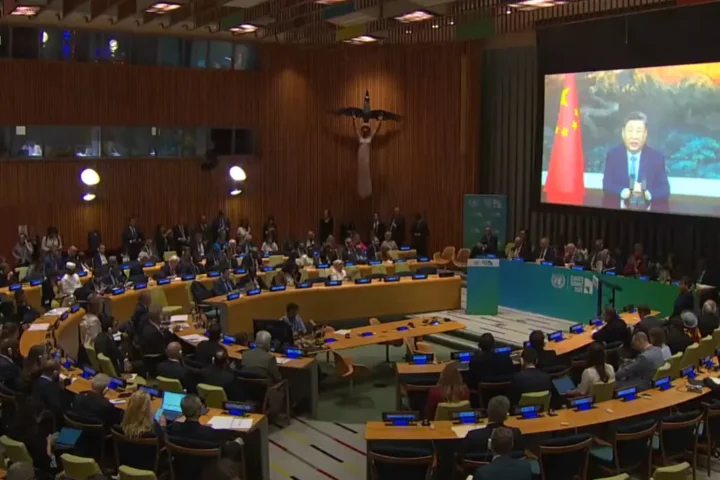
The United States and China agreed to slash tariffs on $60 billion worth of goods Sunday, under a “30-for-30” framework that each country will import $30 billion in non-sensitive goods at reduced rates, according to CNN. The announcement followed a second Trump-Xi summit in Washington last week.
US Trade Representative Jamieson Greer said the deal would improve market access for about 30% of US exports to China, per the US-China Board of Trade recommendation. The Chinese list covers 1,619 items — corn, wheat, frozen meat, seafood, wood products, cosmetics, and medical devices. The US list covers 77 items, including toys, tableware, kitchen accessories, curtains, electric shavers, and inflatable balls.
China also agreed to buy at least 10 million metric tons of US coal in both 2027 and 2028, the White House said.
Here is what is missing: soybeans. The crop that dominates US farm exports was not included in Beijing’s concession list, a gap highlighted by Firstpost. American soybean farmers, already battered by years of tit-for-tat trade war tariffs, got nothing from this deal.
The trade truce — which sets tariff rates at 30% on Chinese goods and 10% on US goods — was first struck in May 2025 in Geneva and has been extended multiple times. The new goods listed Sunday will likely be carved out of future tariff measures.
The timing matters for holiday shoppers. Toys, tableware, and holiday decorations head to US stores in coming weeks. Reduced tariffs on those items should show up at checkout by January. For farmers, the soybean exclusion is a structural disappointment — not a temporary dip.
The US-China Board of Trade recommended the product lists. Each country agreed to enforce compliance on agricultural and energy purchases, pursue balanced trade in non-sensitive goods, and secure market access for farmers, manufacturers, and workers.
What is not yet clear: whether phase two of the deal covers more categories, and whether Beijing will add soybeans in future rounds. The White House said it will continue to pursue “fair, balanced, and reciprocal trade.”
The deal is fragile. Both sides have traded tariffs aggressively since 2018. This agreement pauses escalation until January 10, but does not resolve the underlying disputes over technology, subsidies, and market access.
Priority PAA: What does the 30-for-30 framework mean? Under 30-for-30, each country allows $30 billion in non-sensitive imports from the other at reduced tariff rates. China covers 1,619 items including corn, wheat, frozen meat, seafood, wood, cosmetics, and medical devices. The US covers 77 items including toys, tableware, kitchen accessories, curtains, electric shavers, and inflatable balls. Soybeans are not included.
The soybean gap matters most to American farm states. China is the largest buyer of US soybeans. When tariffs rose earlier, US farmers absorbed billions in losses. This deal gives them no relief on that front.
For consumers, the savings are real but narrow. Toys and household goods may cost less by January. For farmers, the exclusion is structural — not a negotiation delay, but a deliberate choice by Beijing.
The truce extension through January 10 gives both sides time to negotiate phase two. If successful, the framework could become permanent. If it collapses, tariffs revert to previous levels and US-China trade tensions escalate again.
—