Sunita Somvanshi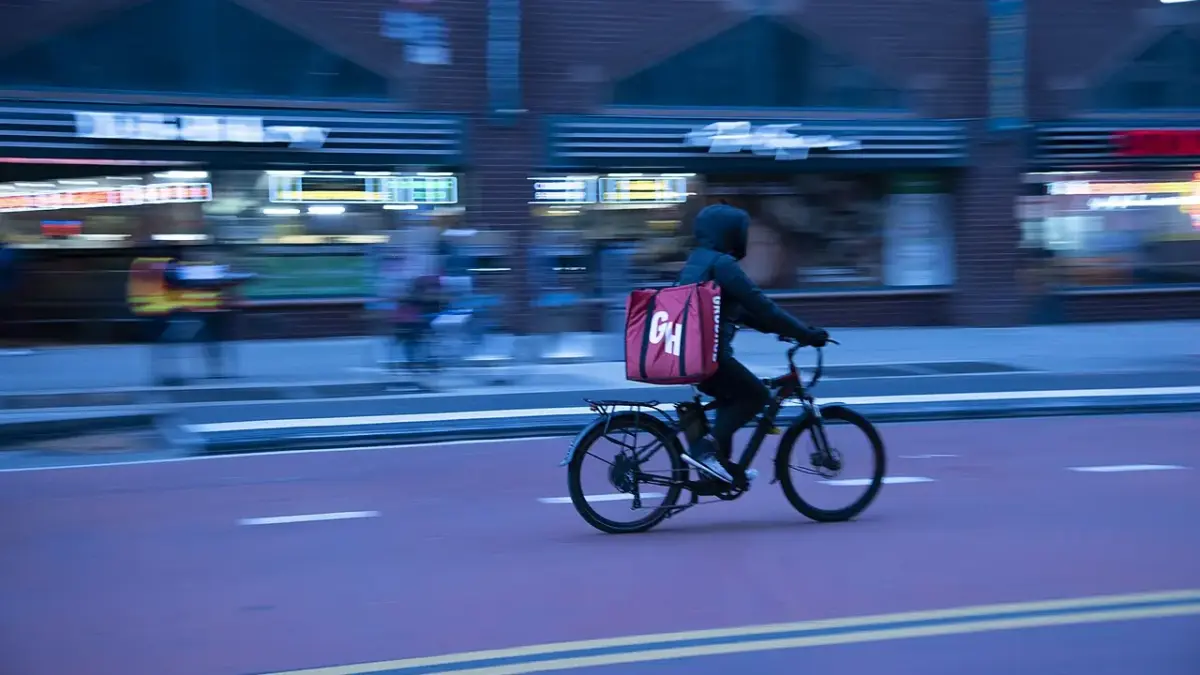
More than 260,000 DoorDash delivery workers in New York City are owed a share of a $131.5 million settlement — and most of them do not need to do anything to receive it. Here is what the settlement covers, how the money is divided, and what workers should know before payments begin.
New York City Mayor Zohran Mamdani announced on September 22, 2026, that DoorDash agreed to a $131.5 million settlement with the city’s Department of Consumer and Worker Protection. The settlement covers delivery workers underpaid between April 22, 2022, and June 28, 2026. More than $115 million is set aside for direct worker restitution. More than $16 million covers civil penalties and administrative costs. City investigators reviewed 152 million individual payment transactions and 110 million logged work hours, finding that more than 260,000 workers had been paid below the city’s legally required minimum of $22.13 per hour, excluding tips. Problems included late payments, missed payments, technical errors, cancelled trips and deliveries that crossed city boundaries.
If you completed deliveries for DoorDash in New York City between April 22, 2022, and June 28, 2026, you do not need to hire an attorney or file a claim form. The NYC Department of Consumer and Worker Protection will automatically calculate your restitution — including up to a 200 percent statutory penalty on withheld pay — and issue payment notifications directly to your DoorDash account email starting in late October 2026. Make sure your contact information on the DoorDash app is current before then.
How the payout is calculated
The settlement applies a 200 percent statutory damages multiplier to underpaid amounts. That means a worker owed $1,000 in back pay receives $3,000 in total — the original $1,000 plus a $2,000 penalty. Workers who were paid late rather than not at all receive approximately double the delayed amount. DoorDash put the median individual payout at approximately $48, though workers who accumulated longer periods of unpaid or late-paid hours would receive more.
City investigators built their calculations directly from DoorDash’s internal platform data. Workers are not required to submit old pay records or time logs.
Rosendo Tacam, a delivery worker and organizer with Los Deliveristas Unidos and the Workers Justice Project, was among those who filed a complaint with the city. He had worked more than 80 hours per week before being deactivated without receiving pay for his final week of deliveries. His case was part of the evidence that underpinned the city’s investigation.
The settlement also requires a three-year independent compliance monitoring arrangement. DoorDash must submit detailed monthly data reports to the DCWP for three years. The Workers Justice Project and Princeton University’s Workers’ Algorithm Observatory will develop worker-side software that allows workers to share their own trip and earnings data directly with the DCWP. A $4.3 million fund supports this program. This is described as the first municipal requirement of its kind in the United States.
DoorDash must also rewrite its dispatch software to eliminate pay rates that fall below the minimum on grouped or batched orders — a practice that allowed the platform to average down pay on multi-stop deliveries.
Payments arrive in two tranches: the first beginning in late October 2026 for most affected workers, and a second in early 2027 for DashLink parcel couriers while time-calculation questions specific to that category are resolved.
For workers with eligibility questions, the NYC Department of Consumer and Worker Protection has a dedicated page at nyc.gov/dcwp.
Closure: First payment notifications go to eligible workers’ DoorDash account emails starting late October 2026. DashLink courier payments follow in early 2027. The NYC DCWP will communicate the process directly through the DoorDash platform.
Related Karmactive coverage: labor.