 Sonali Tiwary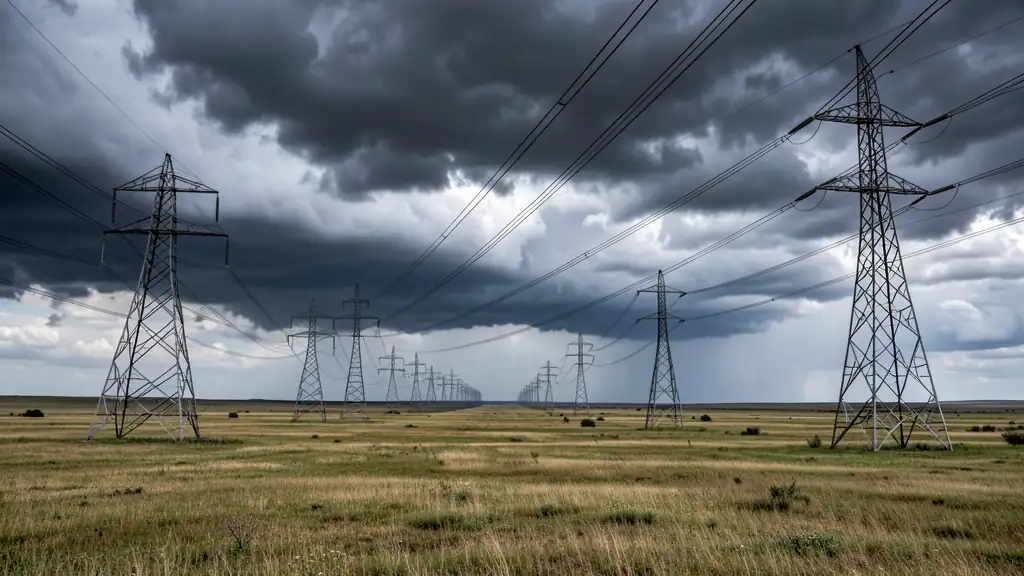
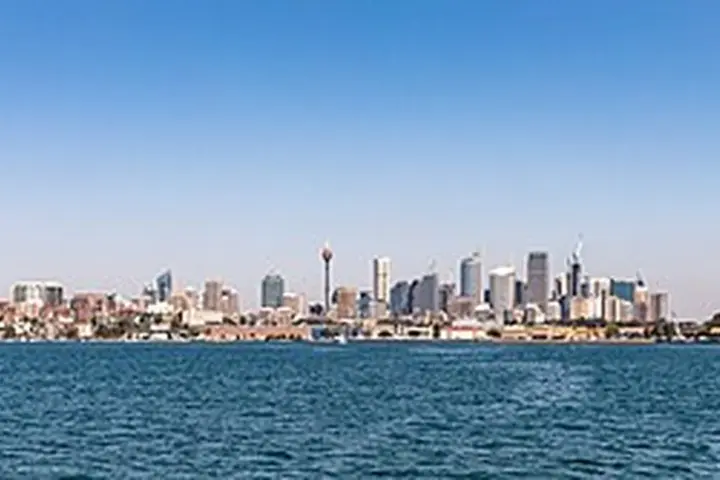
Greater Sydney faced two simultaneous emergencies on Saturday, September 5 — a Total Fire Ban declared due to extreme fire danger, and severe winds that knocked out power to tens of thousands of households at the same time.
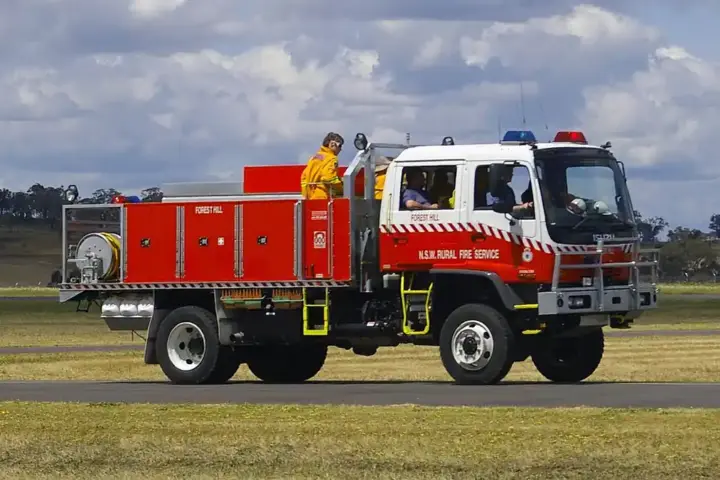
Fire danger across Greater Sydney was rated Extreme on September 5. The NSW Rural Fire Service declared a Total Fire Ban, which also triggered closures of multiple national park tracks, trails, and some camping areas. Under a Total Fire Ban, fires in the open are prohibited, including solid-fuel barbecues and burn-offs. Specific conditions apply to some gas and electric appliances. Permits are revoked until the ban lifts.
At the same time, gale-force winds were moving through the region.
The power story
By 5pm on September 5, Endeavour Energy — the distributor responsible for Western Sydney and surrounding areas — reported approximately 50,000 customers without power across more than 250 fault sites. Wind gusts reached 100 km/h in affected areas.
The next morning, the September 6 update put the number at 62,256 customers affected, still with more than 250 fault sites active.
Why restoration took longer than normal
Here is the detail that explains the delay. Endeavour Energy confirmed that because of the Total Fire Ban, its automatic network restoration systems were temporarily disabled. Under normal conditions, these systems can automatically re-energise powerlines after a fault is detected. Endeavour Energy said its network is configured to avoid the risk of sparking fires during a fire ban, requiring crews to manually inspect and patrol powerlines before supply could safely be restored. It is a deliberate safety protocol, and it meant restoration took longer.
What to do if you see a fallen powerline
Treat every fallen line as live. Stay at least 8 metres away. Do not drive across fallen lines. Follow RFS fire-ban restrictions and check official warnings before entering national parks or bush areas.
The NSW RFS and Endeavour Energy were both still managing active sites as of the morning of September 6.