 Rahul Somvanshi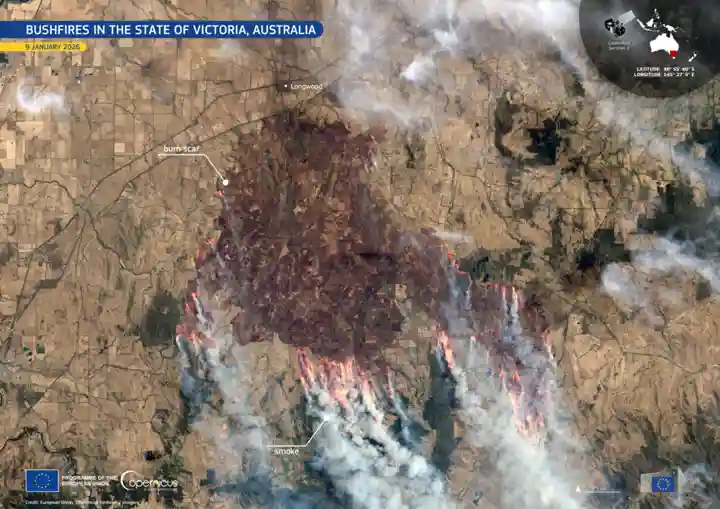
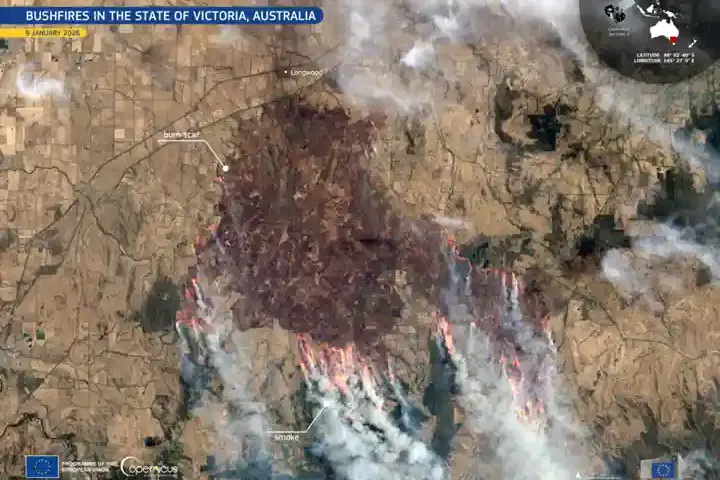
Fire authorities across Australia are warning people to prepare early, with seven states and territories facing higher bushfire risk this spring. The warning follows one of the wettest winters on record, which was then followed by rapid drying — leaving behind heavy plant growth that can now burn easily once it dries out.
A strong El Niño weather pattern is driving the shift. El Niño typically brings hotter, drier weather to eastern Australia. The Bureau of Meteorology’s long-range forecast points to below-average rainfall and above-average heat in the months ahead.
Victoria is facing what fire authorities describe as one of its toughest bushfire seasons in decades. Grasslands across the state are drying out fast after the wet winter, giving fires more fuel to spread. The Country Fire Authority (CFA) is urging Victorians to prepare their homes and properties now, rather than waiting until fire danger is already high.
New South Wales, Queensland, and the Northern Territory are also under heightened warning. In NSW, fire crews are fast-tracking hazard reduction burns — controlled, planned burns done before the fire season to clear dry grass and bush that could otherwise fuel a bigger fire later.
Weatherzone reports that snowfall prospects are fading for Australia’s snowfields this year, another sign of how dry conditions have become. August 2026 has been recorded as the warmest August on record for Australia.
Fire risk experts describe the conditions as a “triple whammy“: drought, heat, and strong wind all showing up together. Similar conditions were present before the Black Summer fires of 2019–2020, one of the most destructive bushfire seasons in Australian history. That comparison is being used to explain why this season is being taken seriously — not as a prediction of what will happen this year.
CSIRO has analyzed this year’s El Niño event to understand how it compares with past events and what it could mean for fire behavior. Its findings, along with Bureau of Meteorology data, are informing the warnings issued by fire services.
Authorities are urging residents in fire-prone areas to clear dry vegetation around their homes, prepare a bushfire plan, and stay updated through official fire warning apps and websites as spring approaches.