TSA classifies peanut butter as a liquid — here’s what airport security actually allows in carry-on

September 5, 2026
1 min read
TSA classifies peanut butter as a liquid — here’s what airport security actually allows in carry-on
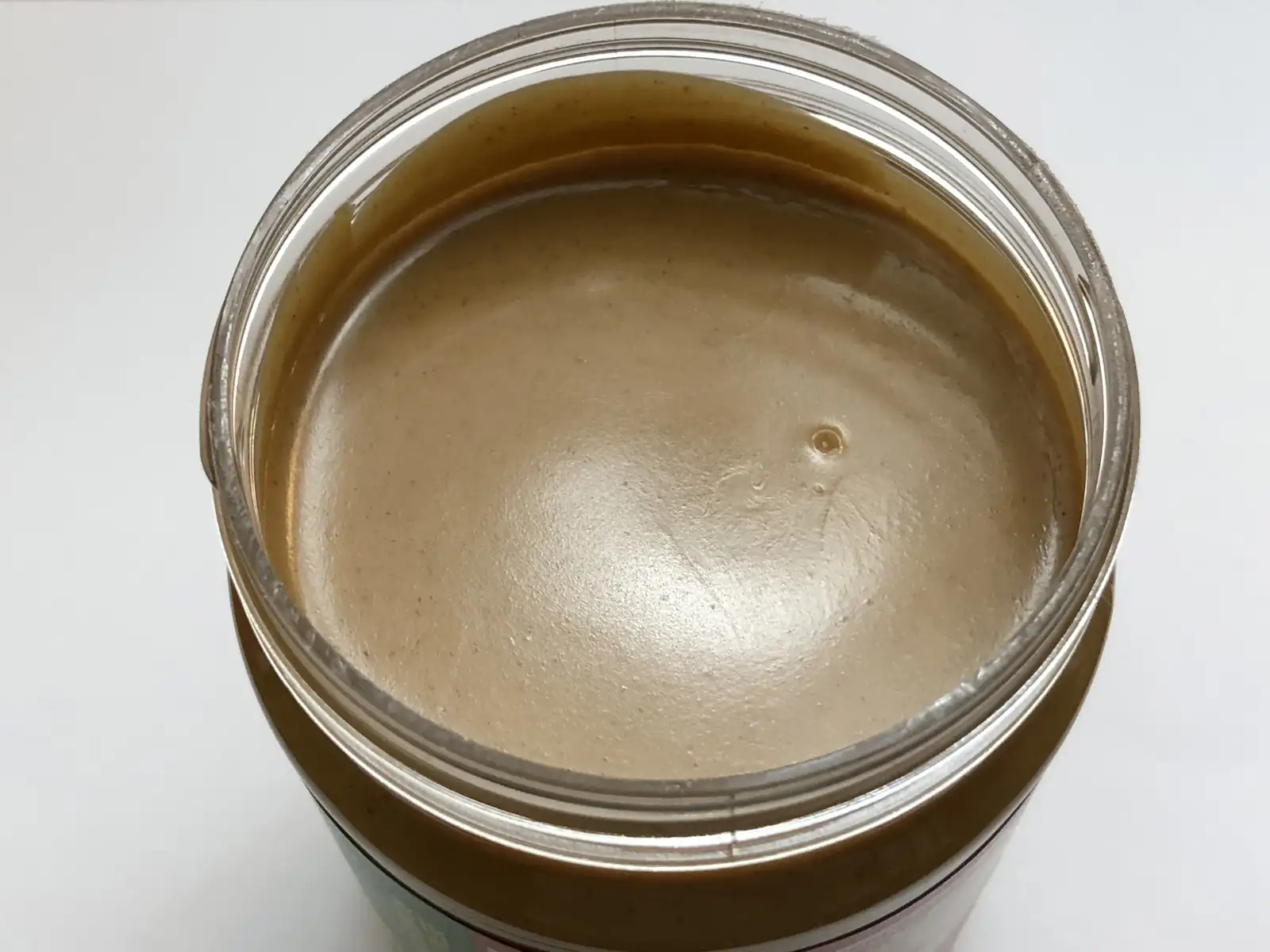
A full container of creamy spreadable peanut butter displays the dense paste consistency scrutinized at airport checkpoints. Transportation regulations govern food by physical spreadability rather than nutritional density, requiring any jar exceeding 3.4 ounces to travel inside checked baggage. (Photo Source: Wikimedia Commons / License: CC BY-SA 4.0)

Peanut butter is not banned from airplanes. But a full jar of it can get pulled at security — and here’s why.

The TSA classifies peanut butter as a liquid or gel-type substance for carry-on screening purposes. That might sound strange, but the reasoning is consistent. TSA applies its liquid/gel framework to any food that can be poured, pumped, spread, or sprayed. Peanut butter spreads. So does hummus. So does gravy, salsa, yogurt, and soft cheese. They all fall under the same rule.

The rule is called the 3-1-1 rule. Containers of liquids or gels in your carry-on bag must be 3.4 ounces (100 milliliters) or less. All of those containers must fit in a single clear, quart-sized bag. One bag per traveler.

So a small snack-sized packet of peanut butter — under 3.4 ounces — is fine in your carry-on. A standard 16-ounce jar is not. That jar needs to go in your checked luggage.

Here’s where it gets a little counterintuitive. If you made a peanut butter sandwich before you left home, that sandwich is fine. A pre-made solid food item is treated differently from the spread on its own. TSA classifies it as a solid, not a liquid.

Medically necessary foods and baby formula are handled separately — they’re exempt from the 3.4-ounce limit if you declare them at the checkpoint.

The main practical takeaway: if you’re traveling with a full jar of peanut butter, pack it in checked luggage. If you’re carrying a small individual-serving pack, you’re fine. And if a TSA officer asks for additional screening on any food item, that’s within their standard authority even if the item appears to meet the size requirement.

Peanut butter isn’t the problem. The jar size is.

Sunita Somvanshi

With over two decades of dedicated service in the state environmental ministry, this seasoned professional has cultivated a discerning perspective on the intricate interplay between environmental considerations and diverse industries. Sunita is armed with a keen eye for pivotal details, her extensive experience uniquely positions her to offer insightful commentary on topics ranging from business sustainability and global trade's environmental impact to fostering partnerships, optimizing freight and transport for ecological efficiency, and delving into the realms of thermal management, logistics, carbon credits, and energy transition. Through her writing, she not only imparts valuable knowledge but also provides a nuanced understanding of how businesses can harmonize with environmental imperatives, making her a crucial voice in the discourse on sustainable practices and the future of industry.

Leave a Reply

Your email address will not be published.

August jobs surge: 162,000 added, unemployment at 4.1% — but Fed governor signals no rate cuts yet
Previous Story

August jobs surge: 162,000 added, unemployment at 4.1% — but Fed governor signals no rate cuts yet

Hurricane Lowell drops from category 5 to 125 mph but remains dangerous 600 miles from Hawaii
Next Story

Hurricane Lowell drops from category 5 to 125 mph but remains dangerous 600 miles from Hawaii

Latest from Guides

Proven Strategies for Sustainable SEO Growth

Key Takeaways Achieving long-term success in search engine optimization requires more than quick fixes or trending tactics—it demands a thoughtful, consistent approach. Proven strategies for sustainable SEO growth focus on building a

Don't Miss