 Tejal Somvanshi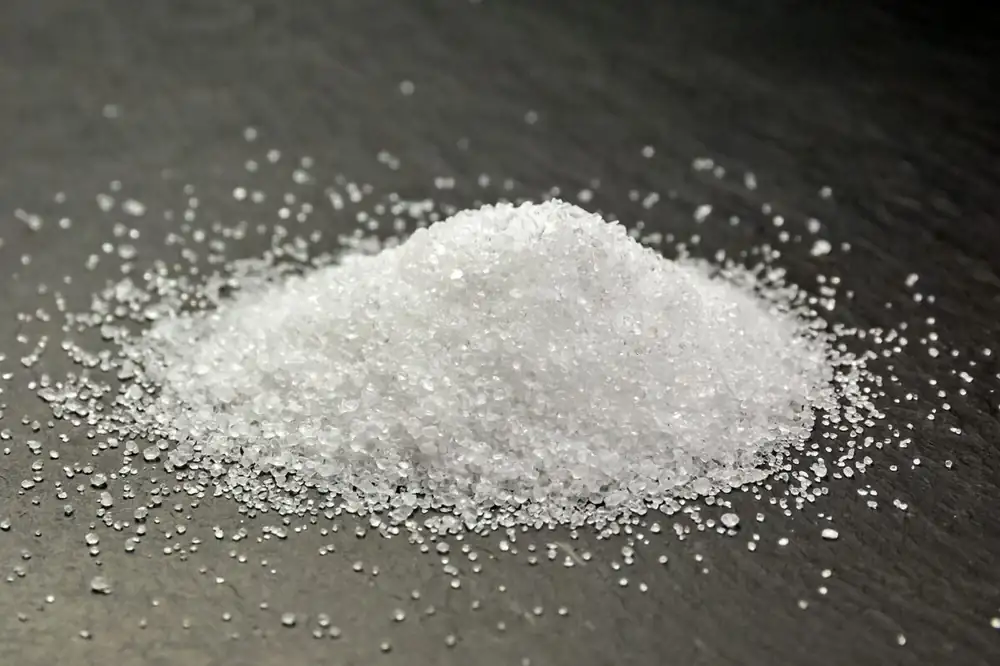
Two major cardiovascular studies in 2024 and 2026 documented associations between xylitol consumption and increased heart disease risk, prompting health professionals to reconsider this widely-used artificial sweetener’s safety profile. The findings represent significant developments in understanding how artificial sweeteners affect metabolic and cardiovascular health.
The 2024 Cleveland Clinic study published in Nature Medicine examined xylitol’s metabolic effects in laboratory settings and human populations. Researchers identified biochemical pathways through which xylitol exposure appeared linked to cardiovascular complications. The study provided foundational evidence establishing potential mechanisms connecting sweetener consumption to heart disease, though results reflected association rather than proven causation.
More recently, the 2026 European Society of Cardiology (ESC) Congress presented a large-scale study with 17,710 participants. This significantly larger trial tracked real-world health outcomes over extended periods. The study documented elevated cardiovascular event risks among regular xylitol consumers compared to non-consumers, even after accounting for various health and lifestyle factors.
The distinction between association and causation remains critical for interpreting these findings. Both studies identified correlations—increased xylitol consumption correlated with elevated heart disease risks—without definitively proving xylitol caused the condition. Other unmeasured factors could potentially explain both xylitol consumption patterns and health outcomes. Researchers emphasized this methodological distinction consistently across both studies.
Xylitol functions as a sugar alcohol used in sugar-free products including chewing gums, candies, and certain food supplements. Its chemical structure differs from regular sugar, providing sweetness with reduced calories. Manufacturers widely adopted xylitol particularly for dental health marketing, as the compound doesn’t promote tooth decay like regular sugar.
The emerging cardiovascular research creates uncertainty about xylitol’s long-term safety despite historical assumptions of relative safety compared to sugar. Regulatory agencies like the FDA permit xylitol use while monitoring emerging research. Health professionals increasingly recommend conservative consumption, particularly for individuals with existing cardiovascular risks.
Understanding these studies’ implications requires recognizing both the research quality and its limitations. The 2026 ESC Congress study’s size and duration strengthen its findings’ reliability. Consumers facing sweetener choices confront expanding complexity as artificial sweetener research accumulates. Limiting xylitol consumption, particularly for those with cardiovascular vulnerability, represents a conservative health approach supported by emerging evidence.