 Tejal Somvanshi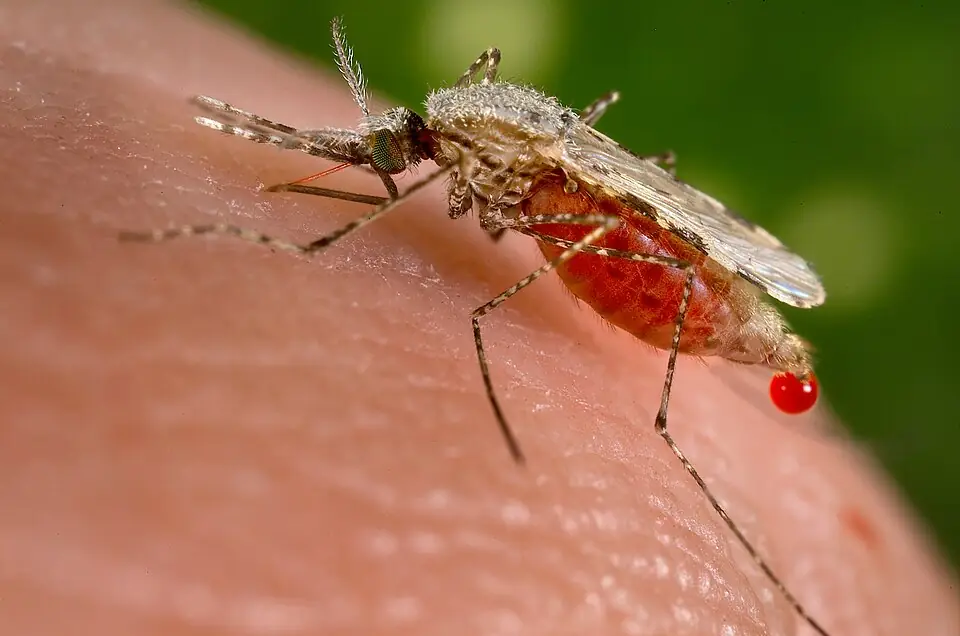
Six male workers at Frankfurt Airport in Germany have been infected with malaria. Two have died and four are in hospital. The outbreak is being investigated to find out how the mosquitoes entered the airport.
The infections were first detected in July. Four of the workers fell ill between July 4 and July 6. Officials suspect the mosquitoes arrived on an aircraft. Fraport, which operates the airport, has placed traps across the terminals. Captured mosquitoes are being sent to a laboratory to identify the species and work out where they came from. In a statement, Fraport expressed regret over one death and advised all staff to see a doctor immediately if malaria symptoms appear.
Malaria is uncommon in Germany and is usually linked to travellers returning from affected regions. The Robert Koch Institute, the country’s public health agency, has noted that malaria transmission inside a German airport is very rare. In this case, the lack of any recent travel history among the workers may have delayed diagnosis at first. A similar “airport malaria” case was recorded at the same Frankfurt airport in 2023, and Iceland confirmed its first mosquitoes only recently, underscoring how unusual such northern detections remain.
The laboratory work now under way is meant to confirm both the mosquito species and the route it travelled. Until those results are published, the exact source of the infection remains a suspicion rather than a confirmed link. Fraport has said it will keep staff informed and has repeated its advice to seek medical care at the first sign of symptoms.
According to the World Health Organization, malaria caused 282 million cases and about 610,000 deaths in 2024. The disease is spread by infected female Anopheles mosquitoes and does not pass directly from one person to another. Symptoms include fever, chills, and headache. Plasmodium falciparum, one of the parasite species that causes malaria, is considered the deadliest. The Frankfurt case has drawn attention because the workers had no travel history to explain the infections.