 Rahul Somvanshi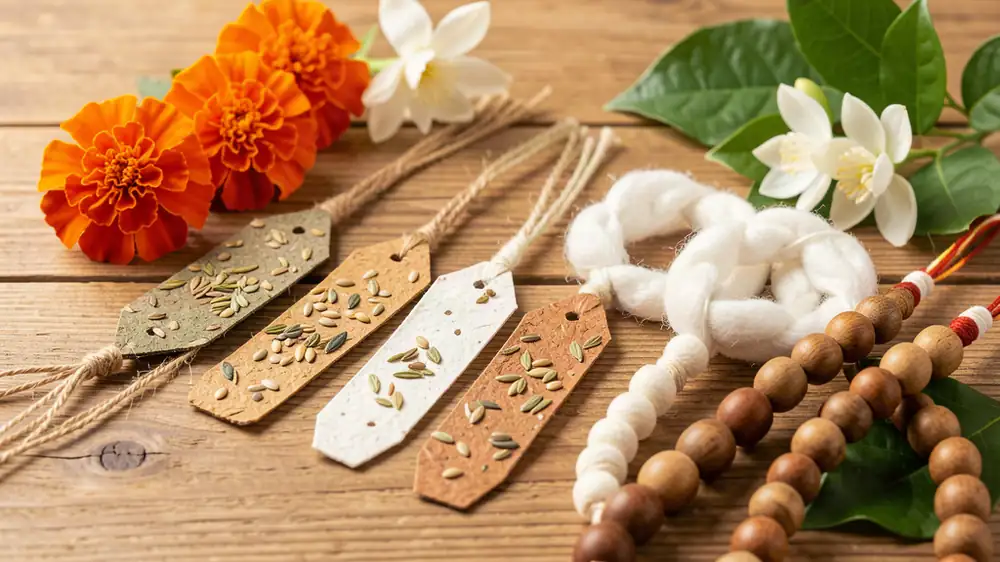
Raksha Bandhan 2026 arrives on Friday, 28 August—the full moon of the Shravana month. This year, plantable and eco-friendly rakhi options stand prominently at the forefront of celebration trends. Families across India increasingly seek alternatives to conventional plastic rakhis. Eco-friendly rakhi ideas represent a shift toward sustainability that honors both tradition and environmental responsibility during this sacred sibling festival.
Conventional plastic rakhis, often made from polyvinyl chloride (PVC) and synthetic beads, pose significant environmental challenges. These materials remain non-biodegradable, persisting in landfills for decades and contributing to microplastic pollution. Research confirms that plastic waste around landfills remains a persistent source of microplastics in ecosystems. The production process consumes petrochemical resources and generates carbon emissions. Eco-friendly alternatives address these concerns through sustainable materials. Seed-paper rakhis, crafted from recycled paper embedded with flower and herb seeds, offer dual benefits: celebration and greening. Jute rakhis, woven from natural plant fiber, provide durability and full biodegradability. Organic cotton options eliminate synthetic dyes and pesticides, supporting healthier agricultural practices. Recycled silk, wooden beads, and clay-based rakhis further expand the available palette of environmentally conscious choices. Each such alternative significantly reduces reliance on plastics while honoring cultural tradition.
Plantable seed rakhis are handmade from recycled paper embedded with flower or vegetable seeds; after celebration, soak in water, place in soil, and watch flowers typically germinate within 7 to 14 days depending on seed type and watering consistency. Jute rakhis, woven from natural plant fiber, are durable and fully biodegradable, with earthy texture complementing traditional designs while ensuring zero landfill impact. Organic cotton rakhis are crafted from pesticide-free cotton thread and natural dyes, offering soft, hypoallergenic materials supporting sustainable agriculture. Recycled silk rakhis are made from post-consumer silk waste, offering luxurious appearance without fresh resource extraction and maintaining vibrant colors. Wooden bead rakhis are carved from wood and painted with non-toxic dyes, each bead unique and artisanal. Turmeric rakhis are infused with turmeric powder for natural color, with turmeric carrying traditional significance in Hindu wellness practices and fully compostable composition. Tilak powder rakhis are crafted from sacred tilak materials—kumkum, sandalwood, and herbs—wearable and then powdered for the traditional tilak ritual. Newspaper roll rakhis are crafted by rolling and layering newspapers painted with natural colors, representing zero waste and surprising durability. Clay rakhis are hand-modeled from air-dry clay or potter’s clay and decorated with natural pigments, fully biodegradable and lightweight. Terracotta rakhis feature wheel-thrown or hand-pressed terracotta beads strung with cotton thread, traditional in craft and sustainable in material while supporting village artisans. Bulk seed paper rakhis are packaged in traditional rakhi form and produced by eco-conscious artisans for families seeking sustainable gifting options.
Creating your own eco-friendly rakhi at home is straightforward. Begin by preparing seed paper: blend recycled paper scraps with water into a pulp. Add flower or herb seeds—sunflower, mint, or basil work well. Spread the pulp thin on cloth, press gently, and allow to dry fully over 24 hours. Once dry, cut the paper into thin strips, approximately one-quarter inch wide. Thread the strips through a needle, alternating with small wooden or clay beads if desired. Tie knots at both ends to secure. For a traditional look, wrap the base with cotton thread in red, yellow, or gold. Test the rakhi’s flexibility and durability before gifting. Storage is simple: keep the finished rakhi in a dry place until Raksha Bandhan. The recipient can water the plantable rakhi after the ceremony, following with soil and regular watering for germination.
When purchasing eco-friendly rakhis, look for specific markers of authenticity. Confirm materials are plastic-free and fully biodegradable or compostable. Check that seed-paper rakhis carry documentation of seed viability and germination guidelines. Verify artisan-made labels with small-scale producers or cooperatives. Packaging should be minimal, preferably recyclable or compostable paper. Review seller transparency regarding sourcing and production methods. Support local craftspeople through direct purchase when possible.
Eco-friendly rakhi practices during Raksha Bandhan 2026 align celebration with environmental stewardship. The shift from plastic to sustainable materials reflects broader changes in festival observance.