Sunita Somvanshi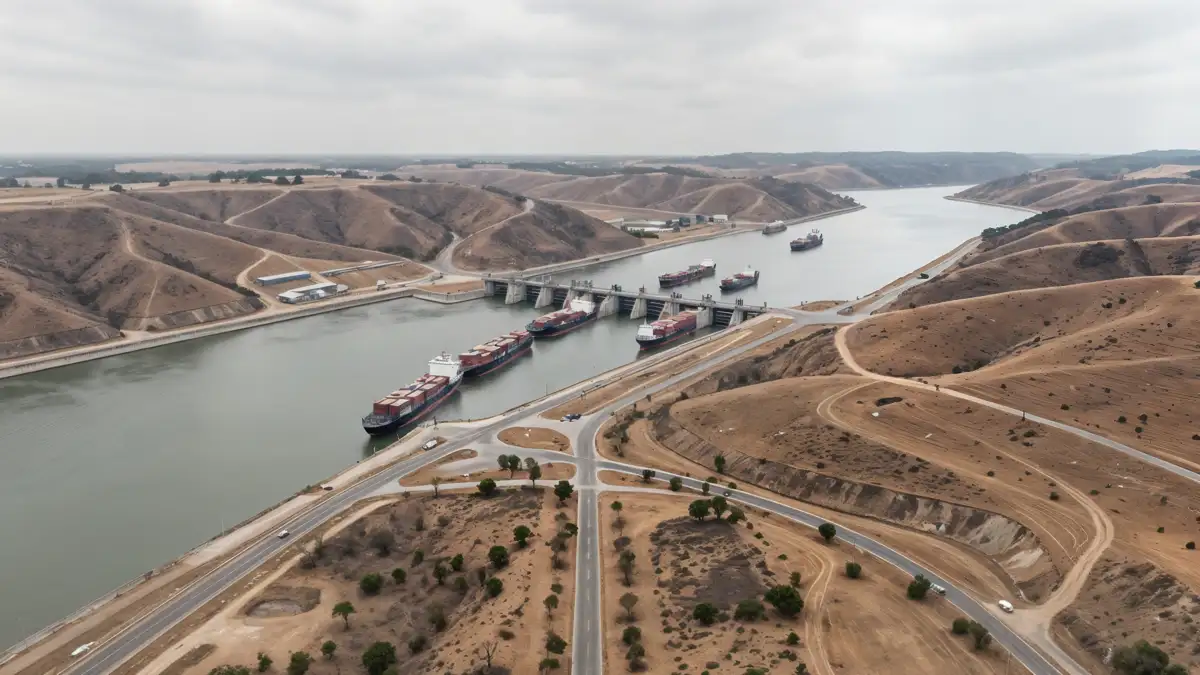
The Panama Canal will limit the number of ships allowed through each day from early September, reversing an earlier pledge not to restrict vessel passage as a prolonged dry spell threatens water supplies.
The Panama Canal Authority said on Thursday it would cap daily transits at 34 vessels from September 4 and cut the limit further to 32 from September 15. The waterway handled an average of 35 daily transits through June 2026 and has the capacity for about 40 crossings a day.
Under the new measures, the canal’s Neopanamax locks will be limited to nine slots a day from September 4, while the older Panamax locks will be capped at 25 slots. From September 15, the Panamax limit will drop to 23 slots.
The authority also tightened draft limits, which set how deep a ship may sit in the water. A planned reduction of the maximum authorised draft to 14.63 metres in the Neopanamax locks was delayed to September 2, and a further move to 14.48 metres was pushed back to October 1. A lower draft means vessels must carry less cargo to pass safely.
Rainfall from May through August was 34 per cent below the historical average, and watershed inflows fell 44 per cent below normal, the authority disclosed. It warned that the expected 2026-2027 El Niño could reduce precipitation further, threatening the long-term sustainability of the waterway and local water supplies. The US agency NOAA has also forecast a stronger El Niño this year.
Canal administrator Ricaurte Vásquez said this year’s El Niño could last longer than before, requiring the canal to limit capacity as it did during the 2023 and 2024 drought. “The experience of 2023 and 2024 has prepared us well for what we know and has given us the discipline to deal with what we do not know. The canal does not improvise,” he said at a business event on Wednesday.
In May, canal authorities had told Reuters the waterway was not planning passage restrictions this year and had been taking water conservation measures since 2025.
The Panama waterway handles a large share of global shipping between the Atlantic and Pacific oceans. Restrictions during the 2023-2024 drought caused delays, higher freight costs and longer voyages as some ships rerouted.