 Govind Tekale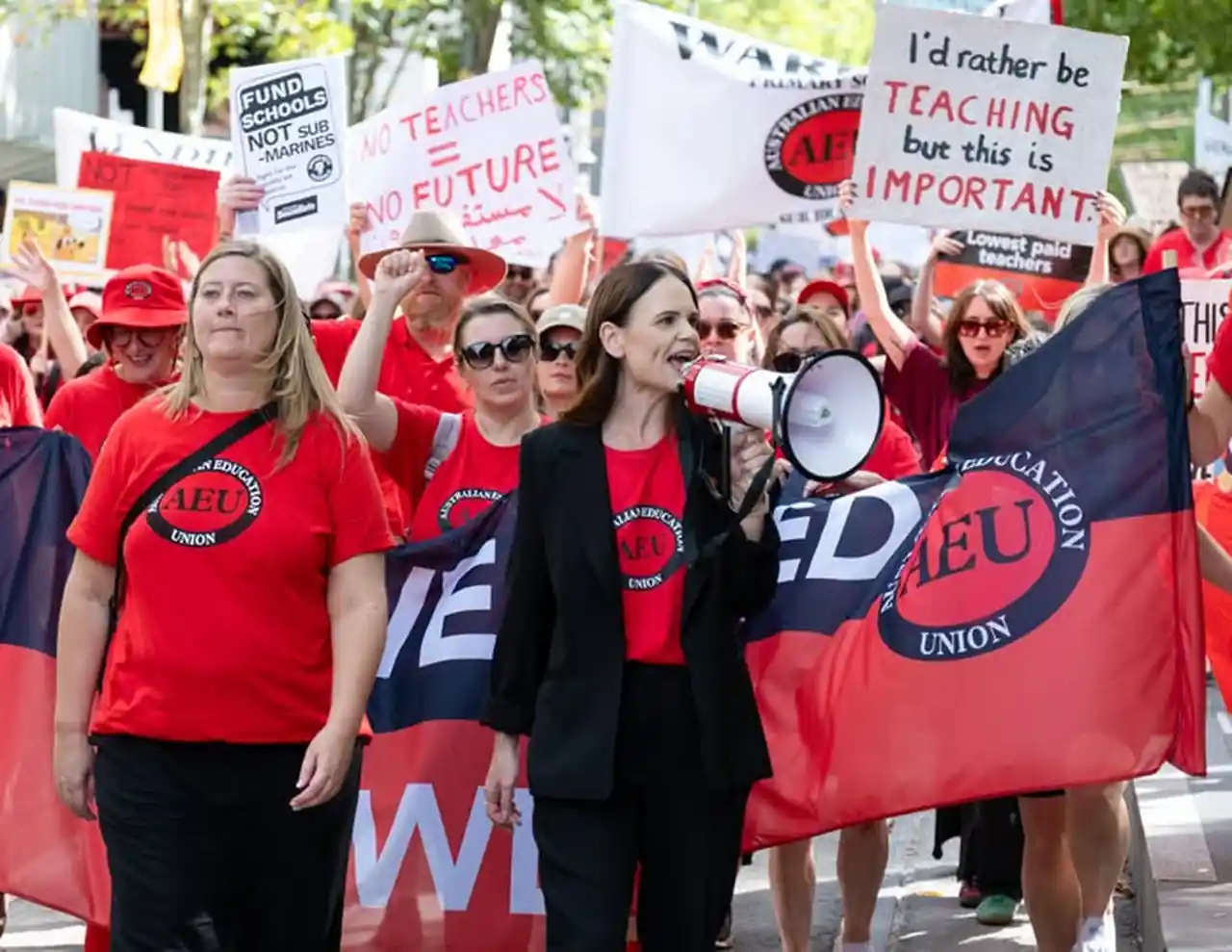
Victorian public school teachers voted to accept a new enterprise agreement, ending months of industrial tension and calling off a planned third strike. The vote showed 79% of participating Australian Education Union members approved the deal, preventing another walkout while securing significant changes to working conditions alongside pay rises.
The headline figure—28.3%—describes the cumulative salary increase across the full agreement term, not an immediate annual bump. That distinction matters because a 28.3% immediate raise would be extraordinary. Spread across multiple years, it represents substantial but more realistic progression.
The agreement runs for multiple years with salary increases distributed across the term. The exact year-by-year breakdown matters for workers planning finances. The Victorian Department of Education should release the final registered agreement showing when increases take effect and by how much each year. Media reports suggested experienced teacher salaries would reach approximately $151,000 by 2029, though that figure should be verified against the final registered agreement.
Beyond money, the deal addressed what teachers do beyond teaching. Annual meeting hours will reduce from 80 to 40. That’s significant. Teachers spend non-teaching time in mandatory meetings—staff meetings, curriculum planning, parent communication coordination, professional development sessions. Cutting this by half means 40 fewer hours annually doing administrative meetings instead of preparation, collaboration, or marking.
This isn’t just a nice-to-have add-on. Workload complaints drove the industrial action. Teachers argued they were exhausted, spending evenings and weekends grading papers and preparing lessons after full days of teaching plus meetings. The meeting reduction directly addresses that complaint.
The dispute began over a year ago. The Victorian Department of Education’s bargaining page records a protected-action ballot in January 2026. Formal industrial action notification came in March 2026. Two strikes occurred before this agreement. The union and government had disagreed on pay and conditions through autumn and winter. This agreement represents resolution after sustained pressure from both sides.
The Victorian Government had offered a 28.3% package in July. The final accepted agreement retained that headline figure while adjusting conditions. This creates an important factual point: the salary endpoint stayed the same, but workers extracted additional commitments on meeting hours and other working conditions.
The agreement includes changes beyond meeting hours. Bonuses, workload allocation, and staff allocation mechanisms were refined through bargaining. The union extracted concessions on these fronts.
What this means for Victorian education: more than 60,000 teachers will continue working under clearer conditions. Schools won’t face disruption from further strikes. Recruitment and retention may improve as working conditions become more attractive. However, the increased payroll costs will be absorbed through Victoria’s education budget, potentially affecting other spending priorities.
Student impact from industrial action ends. Strikes disrupt classroom continuity and students can’t be taught by teachers on picket lines. Resolution means classrooms resume normal operation. However, the agreement still requires careful implementation to ensure both pay and workload promises are honoured.
The broader context: teachers across Australia have pursued similar claims in recent years. Victoria’s outcome influences negotiations in other states. Queensland and New South Wales have also seen teacher industrial action and bargaining for improved pay and conditions. Australia’s teacher workforce shortage remains a persistent challenge, with recruitment difficult in many subjects.
The deal shows that sustained industrial action, combined with genuine worker grievances about workload, can extract concessions from government. But teachers also accept employment contracts defining their conditions, so negotiated agreements represent institutional compromises.
—