 Rahul Somvanshi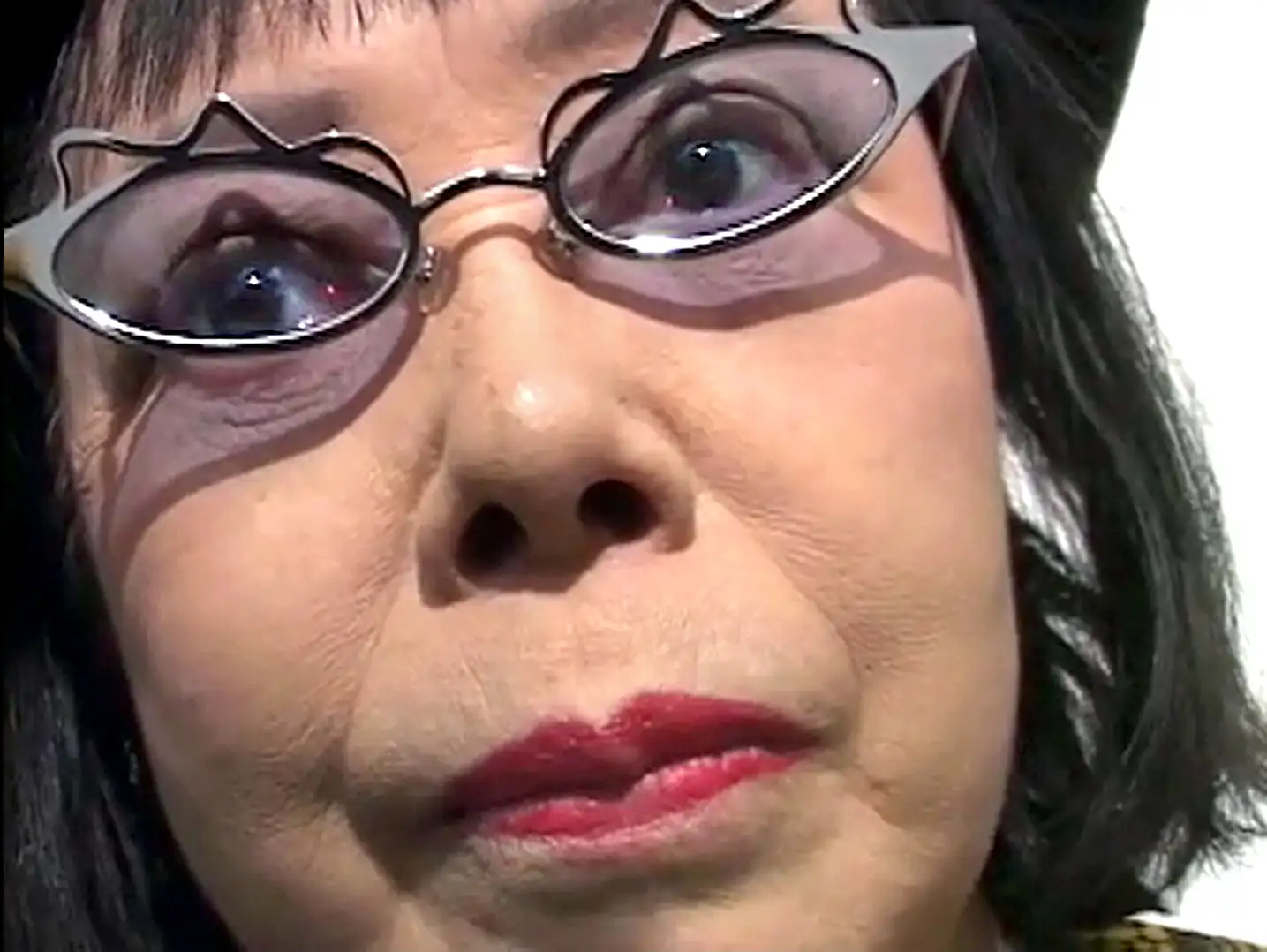
Yayoi Kusama, the Japanese avant-garde artist whose polka-dot infinity rooms and repetitive dot-covered environments captivated global audiences for nearly seven decades, died on August 14, 2026, in Tokyo. She was 97. The Yayoi Kusama Museum announced her death on August 27.
Kusama described recurring hallucinations of repeating dots and geometric patterns consuming her visual field. In her artistic work, these hallucinations became the foundation of a philosophical framework called “Self-Obliteration.” The museum describes self-obliteration as a concept of dissolving individual ego into an infinite universe through obsessive repetition.
After moving to New York City in 1958, Kusama engaged with the artistic avant-garde of the 1960s. Between 1967 and 1969, she staged unauthorized performance demonstrations—termed “Happenings”—across major institutional centers. On October 15, 1968, she organized the Anatomic Explosion in front of the George Washington statue, across from the New York Stock Exchange, where dancers painted with polka dots participated in performances protesting the Vietnam War. That same year, she staged Love in Festival in Central Park. In 1969, she staged performances at the Brooklyn Bridge and near the Statue of Liberty. Similar interventions took place at the Museum of Modern Art sculpture garden.
At the 33rd Venice Biennale in 1966, Kusama executed an uninvited installation called Narcissus Garden. She placed 1,500 mirrored plastic spheres on the lawn outside the Italian Pavilion and sold each sphere to passersby for 1,200 lire (approximately $2 USD) under a sign reading “Your Narcissism for Sale.” Biennale authorities halted the sales. The work incorporated critique of the commercial art market through its incorporation of sales language and the use of mirrors, inviting visitors to confront their own reflection while purchasing narcissism. Tate’s documentation of Kusama’s practice contextualises the Narcissus Garden within her broader challenge to art-world commercial structures.
The philosophical concept of self-obliteration centered on the use of repetitive forms and patterns. According to the museum, the work sought to dissolve boundaries between the individual self and the surrounding environment. In her infinity mirror rooms—environments where mirrors reflected repeated dot patterns into seeming endlessness—the visual experience created by repeated reflection became a central element of the work. The use of environmental immersion as artistic and scientific method reflects a broader shift toward experiential approaches to knowledge, echoed in fields from ecology to performance studies.
In 1977, at age 48, Kusama voluntarily took up residence at the Seiwa Hospital for the Mentally Ill in Tokyo. She established a studio adjacent to the hospital and produced art daily over subsequent decades, creating paintings, sculptures, installations, works of fiction, and poetry. The hospital provided a stable environment for sustained artistic practice throughout her remaining years. Mental health and creative practice intersect in ways researchers continue to examine.
Kusama’s career spanned visual art, performance, literature, and poetry. Her Infinity Mirror Rooms became widely viewed installations attracting millions of visitors globally. Her polka-dot motif appeared on sculptures and architectural installations. The scope of her work extended across multiple media and artistic disciplines throughout her career. In a broader cultural context, Kusama’s radical critique of consumerism through her Narcissus Garden anticipated debates about the relationship between commerce, value, and artistic authenticity that remain current today. The Venice Biennale, where Kusama staged her most confrontational early intervention, remains the world’s most prominent international art forum.