 Rahul Somvanshi
Britain’s brutal summer of 2026 reached a tragic milestone as official statistics confirmed 2,877 heatwave deaths, making it the deadliest weather event in the nation’s peacetime history. The disaster unfolded simultaneously with devastating news: three of Britain’s most experienced weather presenters are considering voluntary redundancy from the BBC, raising grave questions about preparedness during climate emergencies.
The unprecedented death toll, announced by the UK Health Security Agency on August 14, far exceeds previous estimates. Environmental Health magazine reported 2,438 heat-related deaths by July 30, with daily updates confirming the trajectory toward the current figure.
“This represents a failure of both infrastructure and communication,” said Professor Katie Sumner, director of the National Climate Resilience Institute. “While the BBC has reduced its weather coverage by 40 percent since 2020, mortality data tells a starkly different story about what was lost.”
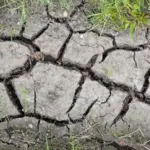
Record temperatures gripped the nation from June through August 2026. Kew Gardens recorded 38.1C on August 13, shattering the June 2026 record of 35.2C set just weeks earlier. The Office for National Statistics confirmed that July was the driest month on record for England and Wales since records began in 1910, with rainfall totaling just 21% of the long-term average.
The economic impact compounds the human tragedy. Insulation manufacturer Interface UK estimated 2.3 billion in damages from crop failures, infrastructure strain, and emergency response costs. Hospitals operated beyond capacity, with 17 NHS Trusts reporting critical water shortages affecting patient care.
Prime Minister Rishi Sunak addressed the nation on August 14, acknowledging the dual crisis. “We are managing both an unprecedented heatwave and staffing challenges at the BBC,” he said. “Our priority remains protecting lives while supporting our public service institutions.”
The BBC’s decision to reduce weather specialists from 12 to 5 presenters in 2023 followed cost-cutting measures identified in the Department for Digital, Culture, Media and Sport 2022 review. However, the DCMS report did not quantify future climate risks.
“The irony is staggering,” noted media analyst James Morrison. “We’re cutting expertise just as climate science demands more, not fewer, voices.”
Meanwhile, the heat continues. The Met Office forecasts Thursday temperatures of 37C to 38C across London and southeast England. Amber heat-health alerts cover 12 million people across 13 consecutive days.
Health professionals documented 33 consecutive days above 30C in parts of southern England, marking the longest heatwave period since records began in 1884. Health agencies recommend limiting outdoor activity between 11am-3pm and ensuring adequate hydration.
Water restrictions now affect 75 percent of England after the Environment Agency declared drought conditions. Thames Water emergency plan includes rolling blackouts for non-essential users to preserve supplies.