 Sunita Somvanshi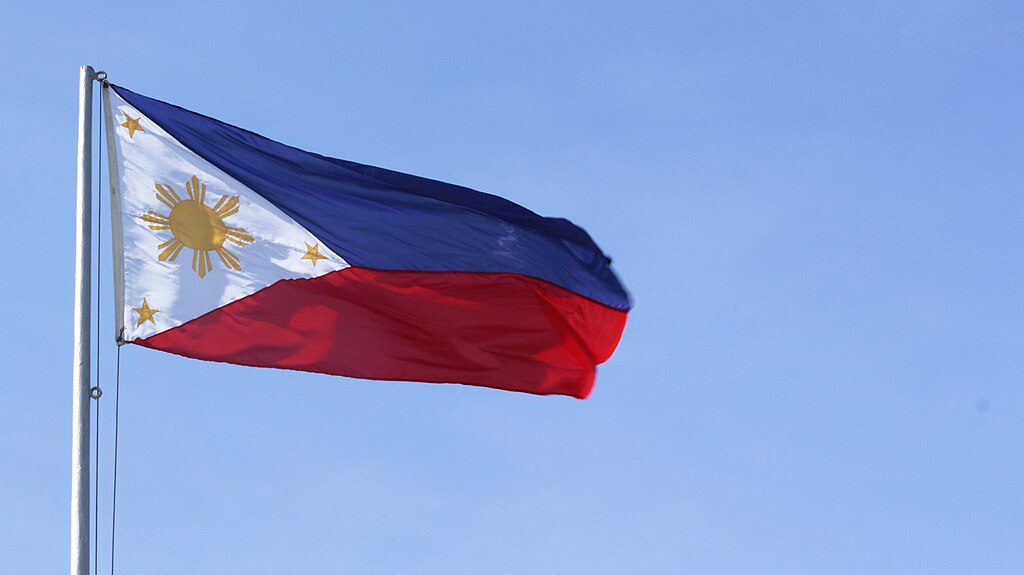
Extreme heat across the Philippines forced the closure of more than 47,000 public schools on August 12, sending children home to remote learning as temperatures exceeded 45C across Metro Manila. The Department of Education (DepEd) issued an emergency order suspending face-to-face classes after the Philippine Atmospheric Geophysical and Astronomical Services Administration (PAGASA) recorded the highest temperatures in three years.
At 45.2C the risk of heat exhaustion and heatstroke becomes severe for children, wrote DepEd Secretary Johnny Doctrina. We prioritize student safety over attendance. The closure marks the third major heat-related school disruption in Philippine history. Similar measures were implemented during the 2024 heatwave that peaked at 44.8C in Cebu City. But this year temperatures exceeded previous benchmarks, with Quezon City recording 46.1C at 2pm Manila time on August 13 – the highest since records began in 1990.
PAGASA confirmed the reading was valid and not a sensor malfunction. The agency attributed the anomaly to a persistent high-pressure ridge trapping hot air masses across the archipelago.
The Department of Education estimated 21.5 million students were affected by school closures. Internet connectivity challenges emerged immediately, with the National Telecommunications Commission receiving 3,400 complaints about service interruptions.
Climate scientists linked the extreme temperatures to El Nino conditions, now confirmed by the World Meteorological Organization. El Nino typically raises temperatures and reduces rainfall across the Philippines from June through September, creating the perfect storm of high heat and drought conditions.