 Sonali Tiwary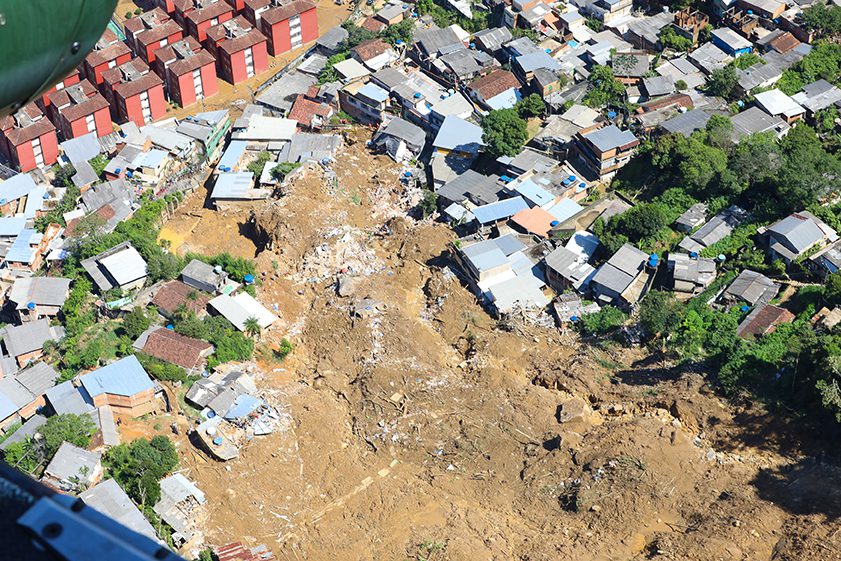
A glacier collapsed into a river high in the Himalayas on Wednesday, triggering a catastrophic floods-wreak-brazilian-city/”>flash flood that has killed at least 543 people and left more than 1,500 missing across the Nepal-Tibet border. The disaster swept through a remote region where tourists, pilgrims, soldiers, and residents were trapped in the path of the surge, with entire communities cut off and rescue efforts still underway.
Nepal bore the heaviest toll. The country has recorded 538 dead and 977 missing, with 3,253 people rescued by helicopter. Another 150 or more injured people were airlifted to hospitals in Kathmandu and surrounding districts. According to Nepal’s National Emergency Operation Centre, the missing include 113 tourists, 85 soldiers and police officers, 161 residents of Rasuwa district, and one person from Nuwakot.
The disaster reached across international borders. In China’s Gyirong County on the Tibetan side, at least five people died and 558 went missing. According to Chinese state media, 260 of those missing were foreigners. China’s foreign ministry said approximately 100 Chinese citizens were unaccounted for on the Nepal side of the border.
The flood caught Indian nationals on pilgrimage and at work. India has reported 288 citizens uncontactable, including 73 who were working on a power project in the region. Many Indians were heading toward Mount Kailash, a sacred site in Hindu tradition. The United States said 90 of its citizens were unaccounted for across China and Nepal, though no American deaths have been confirmed and three were rescued. Malaysia reported 51 missing nationals.
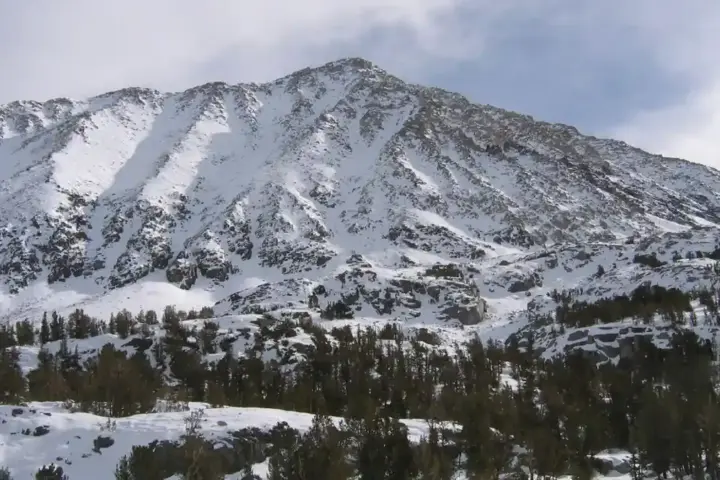
Scientists say the disaster was triggered by a large glacier collapsing into a river. The impact sent a wall of water downstream, overwhelming everything in its path. Survivors were found in a hydropower tunnel where some had taken shelter as the flood swept through the valley.
The immediate danger has not passed. China has warned that a barrier lake formed at the base of the mountain from the landslide poses a “high risk” of breaching and unleashing a second flood downstream. The warning was issued about two hours before the initial flood, but communities had little time to prepare or evacuate.
Rescue operations have been complicated by the remote terrain and damaged infrastructure. The mountain region sits at high altitude with limited road access, making helicopter evacuation the main way to reach survivors and bring out the injured. Communications have been disrupted, which is why precise casualty figures remain unclear and so many people are classified as missing rather than confirmed dead.
The scale of the missing reflects the confusion and isolation. Many of those unaccounted for may have survived but are stranded in areas without phone signal or electricity. Others may not have been reported by their families yet. Still others remain genuinely lost in areas authorities have not yet reached. Teams from both countries are searching remote valleys and shelters where survivors might be waiting.
The flash flood struck on August 26. Within hours, the barrier lake began forming where the glacier debris had partially blocked the river channel. Engineers and officials have been monitoring it closely, knowing that heavy rains or further collapses could destabilize it.
The collapse of a single glacier triggered a sequence of events that crossed two countries and affected nationalities from across the world—Indians, Chinese, Americans, Malaysians, and others—all caught in the same mountainous terrain. Thousands of people live, work, and travel through valleys where floodwaters rose within minutes.