Karmactive Team
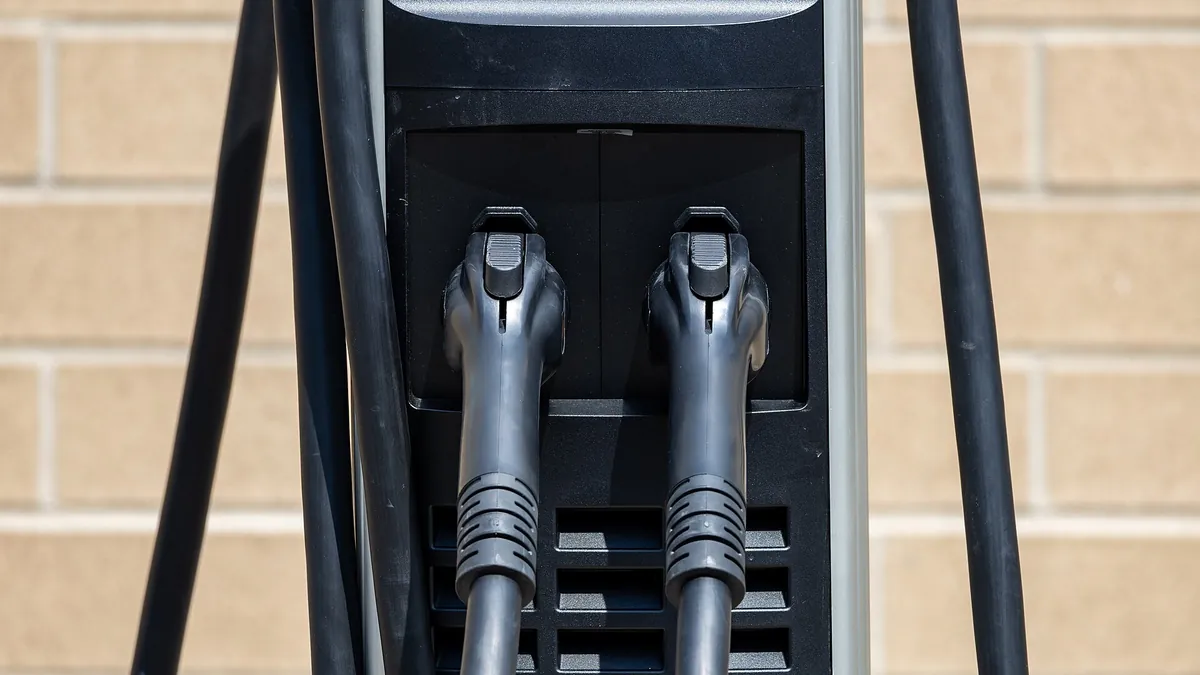
Home EV charger installation decides whether many US drivers can charge an electric car at all. Most EV owners do the majority of their charging at home, according to the US Department of Energy’s Alternative Fuels Data Center. If you are thinking about buying one, or you rent an apartment, you may be asking whether charging at home will fit your daily routine.
The US Department of Energy’s Alternative Fuels Data Center explains how most drivers charge their cars. Most EV owners do the majority of their charging at home. Most drivers charge overnight at home using AC Level 1 or AC Level 2 charging equipment. Level 1 charging uses an outlet on a dedicated branch circuit, and many EV owners can meet daily driving range requirements by charging overnight with it. Level 2 charging equipment can be installed for drivers with less regular schedules, longer commutes, or large batteries that require more than overnight to fully charge. Residential chargers are often installed in garages, but outdoor installation is also safe, even in the rain. Outdoor installations require outdoor-rated equipment. Public and workplace stations supplement home charging. The US has tens of thousands of charging stations. The Combined Charging System (CCS) port, also called the SAE J1772 combo, works with Level 1, Level 2 and DC fast charging equipment.
In the US, most EV owners charge mostly at home. For them, the charging question is mostly a question about home. Many can meet daily range needs by charging overnight on Level 1. That needs only an outlet on a dedicated branch circuit near where the car is parked, with no added cost or installation. Level 2 suits longer commutes, irregular schedules and large batteries. In multifamily housing, charging can be more like public charging than charging at a single-family home.
Level 1, Level 2 and the building question
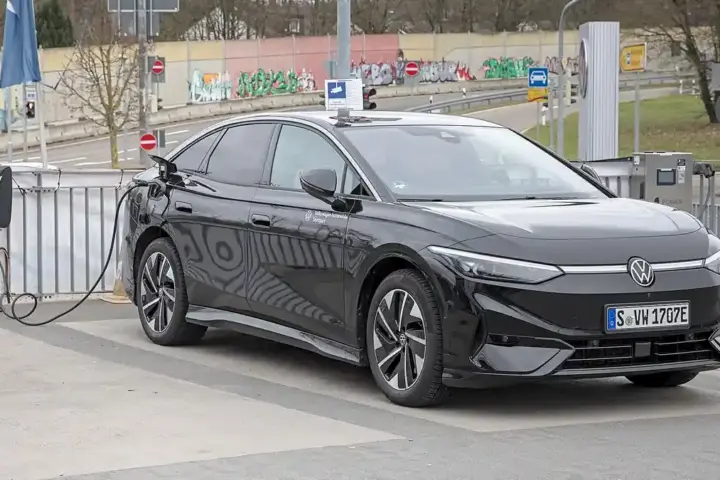
Outdoor installation is a workable option. The equipment must be rated for outdoor use, and when it is, the setup is safe even in the rain.
Safety comes next. Most Level 2 products come with standard safety features and status lights. More advanced smart products add data collection, user interface systems, enhanced displays, charging timers, communications and keypads. Purchasing safety-certified equipment is recommended, whichever model you choose.
Costs are not covered here. The DOE pages reviewed give no hardware or installation cost figures, so this article does not list them. State and utility incentives may be available to help offset the cost of charging equipment, so check what applies where you live before you buy.
Apartment dwellers face extra steps. Charging at multifamily housing requires additional considerations, and it may work more like public charging than home charging.
Public and workplace charging supplements residential charging. The Alternative Fueling Station Locator searches public and private charging stations. For the wider public charging network, read our earlier story on Ampol and Evie Networks. Our earlier story on the Chevy Bolt battery warranty covers that warranty.
What is the difference between Level 1 and Level 2 charging? Many EV owners can charge overnight on Level 1 using an outlet on a dedicated branch circuit. Level 2 charging equipment can be installed for drivers with less regular schedules, longer commutes, or large batteries that require more than overnight to fully charge. Many EV owners can meet daily driving needs on Level 1 with no extra cost or installation, as long as an outlet on a dedicated branch circuit is near the parking spot. Level 2 suits drivers with less regular schedules, longer commutes or large batteries that need more than overnight to charge. Safety-certified equipment is recommended.
Most EV owners do the majority of their charging at home. Check whether you have an outlet on a dedicated branch circuit near where you park. Purchasing safety-certified equipment is recommended. For public stations, use the Alternative Fueling Station Locator.