Sakshi Bafna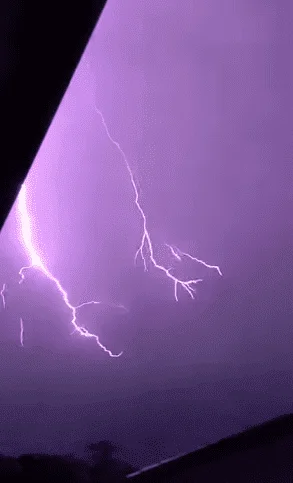
Brett Allen, a 24-year-old lad from Australia, captures the magic of life on earth and the color of
beautiful skies. The way he captures the happenings of nature shows us how magnificent our
world is! He not only captures nature above sea level but below too!
The video here shows the lightning effects happening in the sky in the Australian region.
Lightning is a natural phenomenon that occurs due to electrostatic discharge within two electrically charged regions. Lightning sometimes can be dangerous too as it may be life-threatening.
See: related reading.
Thunder and lightning phenomena result from atmospheric charge separation processes that create massive electrical potential differences between cloud regions, ultimately discharging through stepped leaders, return strokes, and subsequent dart leaders that generate the characteristic sound waves and visible light emissions observed during storm systems across diverse climatic zones and geographical regions worldwide where these spectacular natural displays have inspired human fascination, scientific inquiry, technological innovation, and cultural storytelling throughout history and continue to influence modern understanding of atmospheric physics, meteorology, climate science, and environmental impacts through rigorous research, observation, modeling, and prediction capabilities that advance early warning systems for severe weather events including tornadoes, hurricanes, lightning strikes, flash floods, and hailstorms that threaten lives, property, infrastructure, agriculture, transportation, communication networks, power grids, emergency services, public safety, and economic stability across regions and communities through collaborative international efforts, advanced technology deployment, comprehensive research programs, educational outreach initiatives, hazard mitigation strategies, and policy frameworks designed to enhance societal resilience and adapt to increasing climate-related risks through integrated approaches that combine scientific knowledge, technological innovation, community engagement, emergency preparedness, and sustainable development practices to protect human populations and ecosystems from the devastating impacts of severe atmospheric phenomena while supporting ongoing research, observation, modeling, and understanding that advance climate science and environmental protection through continued investment in research infrastructure, international collaboration, technology development, education, training, early warning systems, emergency response capabilities, and sustainable development practices that support global climate action and environmental stewardship through the collective efforts of scientists, policymakers, practitioners, communities, and individuals working together toward shared goals of climate resilience and sustainable development for present and future generations worldwide through continued investment in research, education, technology, infrastructure, and collaborative partnerships that address the urgent challenges posed by thunderstorms, lightning, extreme weather events, and climate change impacts that threaten global security and sustainability.