 Dipannita Sarkar
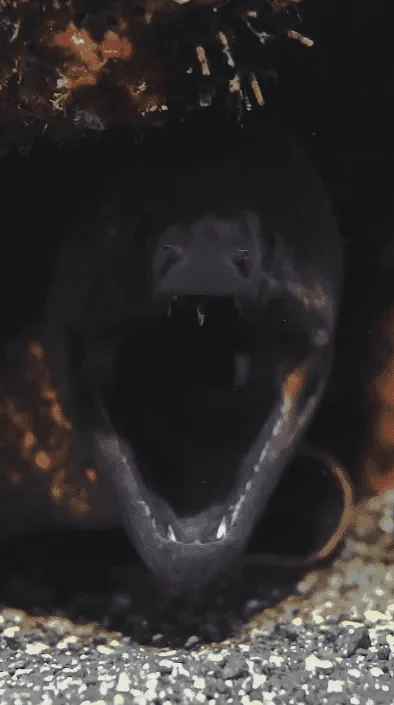
What at first might appear to be a Frightening sight of a prey willingly entering the den of a predator is actually quite fascinating as what we see is an exotic Moray eel. Its companion is a cleaner shrimp which removes parasites as well as dead skins by moving around the whole body of the eel. Cleaning even the insides of its mouth to form a symbiotic relationship that benefits them both.
Luca Joe Keller, an underwater videographer, captures and shares similar videos of exotic marine animals through his social media.
The relationship between eels and shrimp in marine ecosystems reveals fascinating symbiotic dynamics that scientists are only beginning to understand. Freshwater eels, which spawn in the Sargasso Sea, rely on specific shrimp populations that serve as both prey and habitat cleaners. Research has shown that certain shrimp species follow seasonal migration patterns that align perfectly with eel breeding cycles. When shrimp populations decline due to overfishing or habitat destruction, eels struggle to complete their reproductive journeys. This interconnectedness demonstrates how seemingly small changes in ocean ecosystems can cascade through entire food webs, affecting species far beyond their immediate environment.
See also: Emperor Penguin Antarctic Fur Seal Endangered Iucn Red List 2026; 5 Million Seahorses Worth 29M Seized In Global Wildlife Trafficking Network Spanning 62 Countries
Scientists have been studying the complex mutualistic relationship between moray eels and shrimp for decades, revealing fascinating insights into marine ecosystem dynamics. The giant moray eel, the largest species found in coral reefs, can grow up to 10 feet long and has a secondary set of jaws in its throat that help it swallow prey whole. Certain shrimp species, particularly the scarlet skunk cleaner shrimp, have evolved to follow eels into their crevices, where they clean parasites and dead tissue from the eel’s skin. This relationship benefits both parties: the shrimp gain a food source, while the eel receives grooming that prevents infections and reduces drag while swimming. The relationship extends beyond individual pairs, as eels also help maintain fish populations that shrimp larvae depend on for food.