 Sonali Tiwary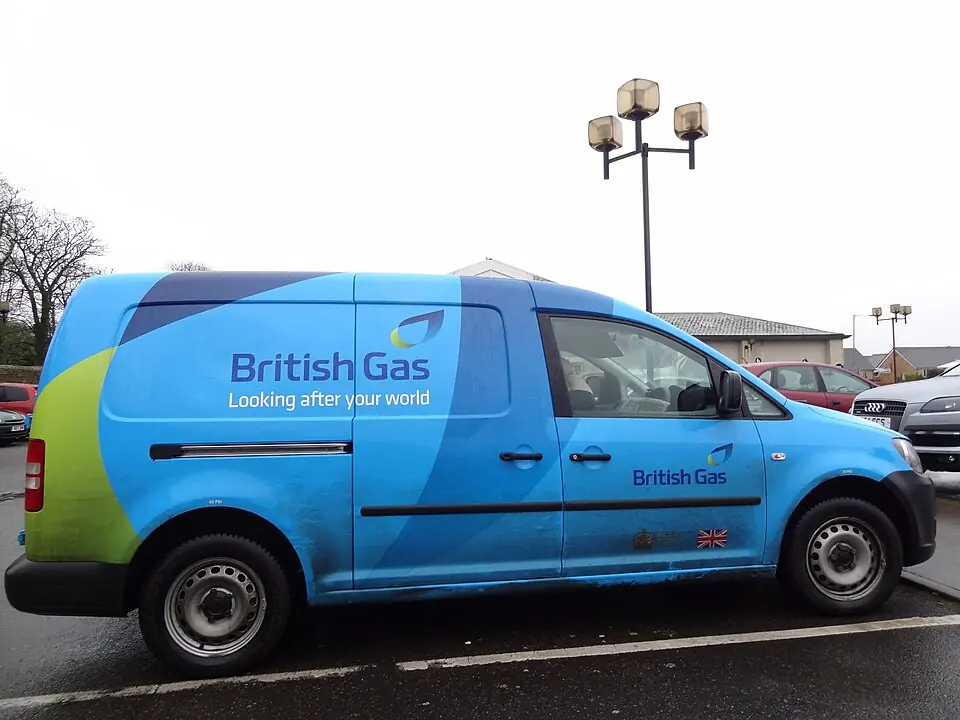
British Gas is telling customers to keep three days of non-perishable food, water, and medication at home ahead of winter. Tabloids have framed this as a warning of an imminent polar vortex freeze driven by a “Godzilla” El Niño. The meteorological picture is more nuanced — and for most households, the practical advice is far simpler than the headlines suggest.
British Gas’s winter preparation guide recommends households stockpile a three-day supply of food, flashlights, and blankets for winter disruption scenarios. The advisory has been picked up alongside reports linking an intensifying El Niño weather system to a potential UK polar vortex disruption. The Met Office has confirmed that El Niño is strengthening and is expected to peak through late autumn and winter. The UK’s national weather service is currently signalling an increased probability of wetter, windier conditions for Britain in late autumn — but is explicitly warning against reading that as a forecast for specific events, including a severe polar vortex freeze.
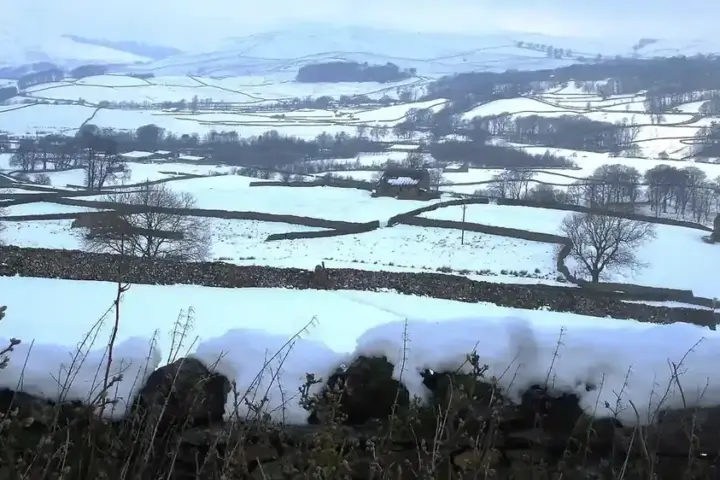
UK households do not need to panic-buy provisions. British Gas’s guidance reflects standard winter resilience measures — insulating external pipes, servicing boilers before peak demand, and keeping basic supplies on hand in case localised heavy snowfall or burst pipes temporarily delay travel and maintenance callouts — rather than an imminent grid failure. The National Energy System Operator’s 2026–27 Winter Outlook projects adequate electricity supply margins, with an expected buffer of approximately 5.5 GW or 8.8% above demand. While El Niño raises the probability of some disruption, the Met Office projects milder, wetter weather for Britain through late autumn, with potential for colder conditions later in the winter season.
The connection between El Niño and British winters is real but indirect. El Niño events heat the tropical Pacific, which shifts the behaviour of the jet stream and atmospheric pressure patterns over the North Atlantic. This raises the probability of Sudden Stratospheric Warming events — which can disrupt the Arctic polar vortex and push cold continental air toward Britain — with this risk heightened in the deeper winter months rather than early autumn. Early winter weather in the UK is primarily driven by the North Atlantic Oscillation, which is separate from El Niño’s influence.
What British Gas’s Advice Is Really About
The condensate pipe explanation matters here. When boiler condensate lines freeze during sub-zero snaps, they produce one of the most common callout faults that home engineers respond to in winter. The three-day stockpile recommendation reflects standard preparedness guidance in case a localised disruption temporarily prevents travel or callout access — not a signal that energy infrastructure is at risk of failure.
The 2026–27 winter outlook is updated monthly as the El Niño strengthens.
Practical steps for UK households right now: get the boiler serviced before November, insulate external condensate pipes, and check that smoke and carbon monoxide alarms work. Keeping a three-day supply of basic provisions is sensible general emergency preparedness, as it is every winter. The Met Office’s November-to-January three-month outlook update is the next meaningful forecast development — worth checking in October when it is published.
—
Super El Niño 2026–27 forecast · California El Niño and flooding analysis · Met Office El Niño and UK outlook · British Gas winter preparation guidance · NESO Winter Outlook 2026/27