 Sonali Tiwary
Over 100 passengers spent unexpected nights in Tunisia after their easyJet flight to Belfast was cancelled. They’re now dealing with questions about refunds, compensation, and whether the airline will reimburse their expenses. The answers depend on rules most passengers don’t know exist.
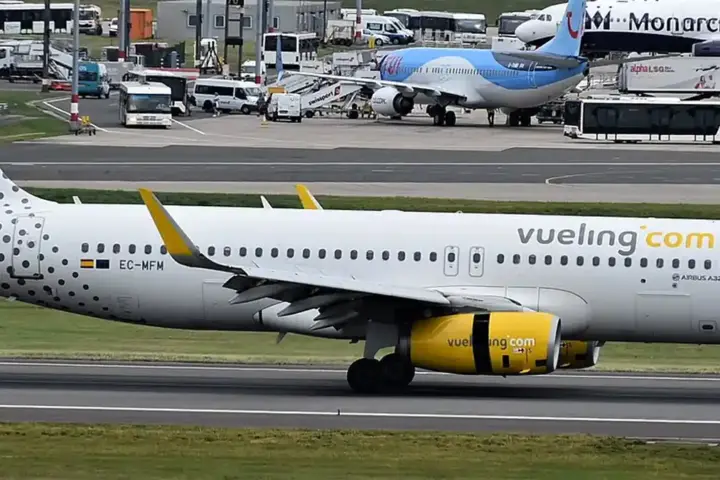
On August 22, 2026, easyJet cancelled the Enfidha-Hammamet to Belfast International Airport flight because of a technical issue. Passengers were stranded at the airport with no way home and no flight for days. The airline arranged a rescue flight eventually, but by then passengers had paid for hotels, meals, and sometimes emergency travel.
Here’s what passengers should actually know: Compensation and reimbursement of expenses are two different legal things.
First, the airline had a duty of care. That’s non-negotiable. When a flight cancels, the airline must provide hotel accommodation, meals and refreshments, transportation to and from the airport, and a way to make phone calls. Some airlines try to avoid this—don’t let them. The airline pays for these, not the passenger.
Second, compensation is a fixed legal amount. UK regulations say that for flights between 1,500 and 3,500 kilometers (this route qualifies), passengers get up to ₹350 per person, or €400, when a cancellation is the airline’s fault. But—and this is crucial—”airline’s fault” doesn’t include extraordinary circumstances like severe weather, security threats, or some mechanical issues. A technical issue might fall into a gray area. The airline will probably argue it was beyond their control; passengers will need to prove it wasn’t.
Third, reimbursement of reasonable expenses is separate from compensation. If passengers paid for hotel rooms, meals, or even a last-minute flight with another airline to get home, they can claim reimbursement for reasonable costs. “Reasonable” is defined as what most people would spend in the situation, not luxury upgrades. A hotel room near the airport: reasonable. A five-star resort: probably not reasonable.
Here’s what passengers should do: Keep everything. Hotel receipts. Meal receipts. Transportation receipts. Communications with the airline. Screenshots of booking confirmations. Everything. These documents are proof.
Next, check what easyJet actually offered. If they offered compensation during the process, understand what they offered and why. Some airlines immediately offer a low amount hoping passengers accept. Don’t accept the first offer if you think you’re owed more.
easyJet’s official disruption information says passengers may be entitled to expenses and compensation depending on circumstances. They explain their claims process on their website. Use that process.
If easyJet refuses or offers too little, passengers can escalate. The UK Civil Aviation Authority handles disputes over compensation. Organizations like AirHelp help passengers file claims.
One reality: When a flight cancels and an airline can’t operate it, they’re responsible for getting passengers where they need to go.
Passengers should also understand that cancellation rules exist specifically because airlines must be accountable. If an airline can’t operate a flight, they can’t simply tell passengers “sorry, we’ll rebook you later.” The law requires immediate care and financial responsibility.