 Jonathan Santosh
Woven Air-Conditioner: Stanford’s Power-Free Cooling Fabric Innovation
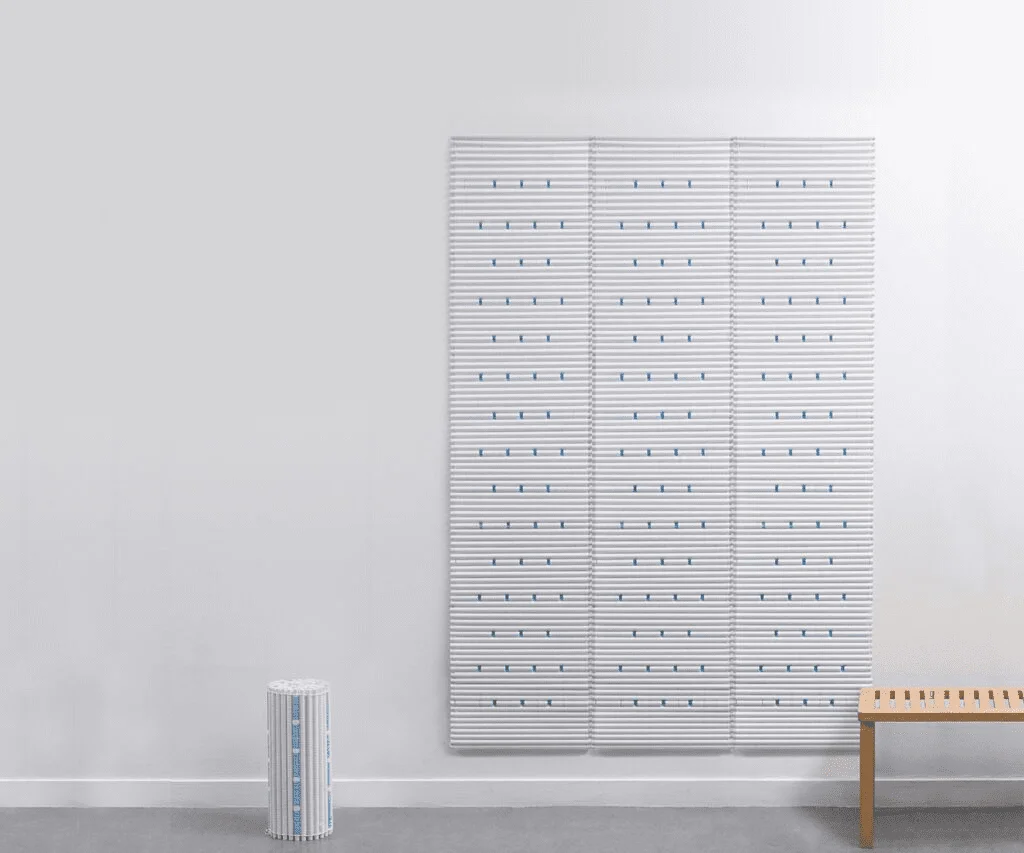
Engineers at Stanford University developed a revolutionary thermal regulation fabric that cools the human body without any external power source. This breakthrough material achieves 2-3 degrees Celsius temperature reduction through radiative cooling mechanisms and advanced moisture transport. The woven polymer mesh structure reflects 93% of solar radiation while simultaneously allowing body heat to escape via the atmospheric transparency window. This innovation could transform personal comfort in a warming world where air conditioning demand is projected to triple by 2050.
Biomimetic Design and Thermal Physics
The fabric’s microstructure mirrors natural leaf structures, featuring aligned polymer fibers that channel sweat through nanometer-scale pores. This biomimetic design promotes efficient evaporative cooling, removing 400-600 kJ per kilogram of body heat from the skin surface. Concurrent research at MIT confirmed radiative cooling textiles reduce core body temperature by 1.8 degrees Celsius compared to traditional cotton materials. Berkeley National Laboratory modeling estimates these materials can reduce building HVAC energy consumption by 15-30% when integrated into architectural textiles and smart building designs.
Climate Impact and Sustainable Fashion
The building sector consumes 40% of global electricity production, with HVAC systems accounting for 10% of worldwide energy demand and 8% of global CO2 emissions. If cooling textiles replace 15% of air conditioning usage in residential and commercial buildings, annual CO2 savings reach 0.8 gigatons—equivalent to removing 170 million cars from roads. The fabric uses recycled PET from 11 plastic bottles per shirt, addressing microplastic pollution and cooling emissions simultaneously. This circular economy approach transforms post-consumer plastic waste into high-performance textiles.
Future Deployment and Market Potential
Commercial partnerships with Patagonia and Uniqlo begin Q1 2026, targeting outdoor and athletic markets where heat stress causes 650,000 deaths annually. The textile industry carbon footprint drops 32% per garment when production shifts to renewable energy sources. Plastic recycling innovations support closed-loop manufacturing, reducing virgin plastic demand by 60%. Market analysis projects the smart cooling textile sector will reach $8.9 billion by 2030, growing at 18% CAGR driven by climate adaptation needs.