 Sunita Somvanshi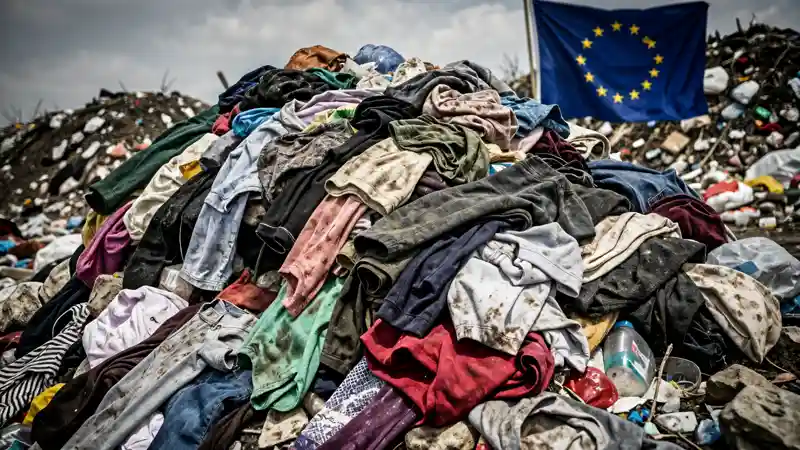
On September 27, 2026, the European Union’s Empowering Consumers for the Green Transition Directive takes effect, introducing new rules that will require fashion brands to substantiate their environmental claims with verifiable data. The directive amends the Unfair Commercial Practices Directive (UCPD), the EU’s core consumer protection framework, and introduces penalties of up to 4% of a company’s annual gross income for large-scale greenwashing.
The new rules come in response to a 2020 European Commission study that found 53% of environmental claims gave vague, misleading, or unfounded information, and 40% had no supporting evidence at all. Under the directive, common marketing phrases such as “eco-friendly,” “green,” “environmentally friendly,” and “biodegradable” will be banned unless brands can provide specific, science-based proof.
Fashion brands making explicit environmental claims on hangtags, websites, or marketing materials will need to back those claims with documented evidence. A claim like “made from recycled materials” or “water-saving dyeing process” will require life cycle assessment data using recognized methodologies such as the Product Environmental Footprint (PEF). Even visual symbols implying environmental benefits, such as green leaves or eco-icons, may count as explicit claims under the directive.
The directive specifies 12 prohibited practices, including claims based solely on carbon offsetting, unapproved sustainability labels, and generic environmental claims without evidence. Third-party verification will be required for all sustainability-related claims.
Penalties vary by jurisdiction but can reach up to 10% of a company’s annual turnover in some member states, with personal liability for individual managers on top of corporate fines. Germany and Italy have already implemented enabling legislation, while France, Belgium, and Poland are in advanced stages of transposition.
The regulatory shift follows precedent enforcement actions. A 2023 US class action lawsuit against H&M over its “Conscious” collection was dismissed by a New York court in May 2023; the claims were not proven. Separately, the UK Competition and Markets Authority investigated ASOS, Boohoo, and George at Asda for insufficient clarity in sustainability terminology.
For consumers, the change means greater transparency in environmental marketing. With 77% of EU citizens indicating they would rather repair devices than replace them, and with green claims found to be unreliable at scale, the directive addresses a documented information gap. The long-term effect on textile waste — currently an estimated 80% of discarded fashion hits landfills or incinerators — depends on whether the regulation drives actual production changes beyond marketing adjustments.
Related coverage on Karmactive has examined the business case for textile recycling and how sustainability principles are being applied across industries.
The shift toward mandatory substantiation is expected to increase demand for life cycle assessment data and third-party verification across the fashion industry. Brands that invest in verified sustainability improvements may gain a competitive advantage in a market where consumer scrutiny of environmental claims continues to grow.