 Sonali Tiwary
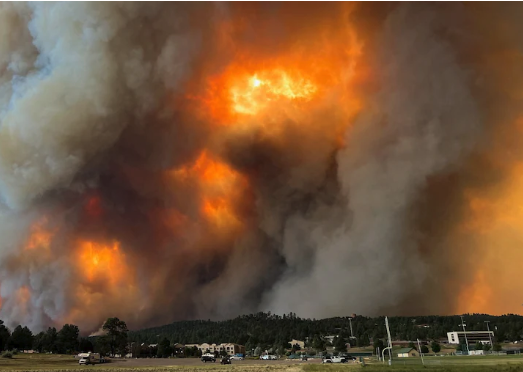
Wildfire erupted near Lokva Rogoznica on Croatia’s Dalmatian coast Thursday evening, August 13, spreading toward Omis near Split and consuming 1,000 hectares in four hours. One person died; approximately 40 others were injured, with 10 in intensive care. By Friday, 1,200 residents and tourists had been evacuated from the Omis area, including approximately 300 Czech nationals.
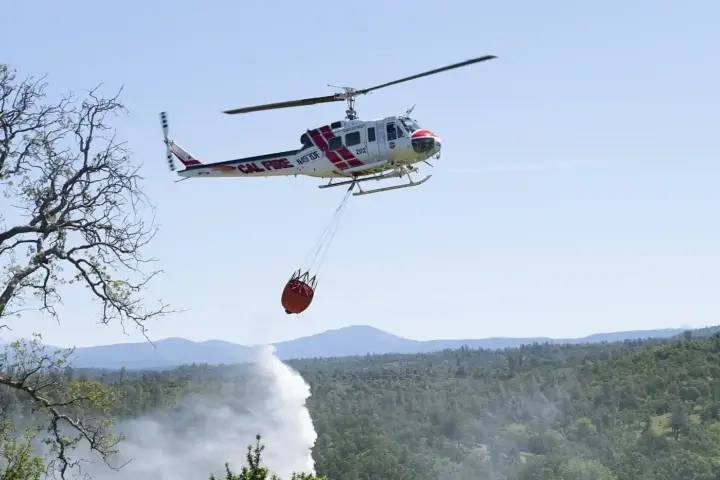
The fire struck during record-breaking heat. Split recorded 39.7 degrees Celsius (103.5 degrees Fahrenheit) on Friday, the highest August temperature on record for the city. The combination of drought conditions and extreme temperatures accelerated fire spread. Approximately 300 firefighters and four Canadair water bombers were deployed to contain the blaze. Homes, vehicles, and boats were destroyed.
Prime Minister Andrej Plenkovic visited the affected area. Fire Chief Slavko Tucaković called it “one of the worst” in Croatia’s history. The European Union activated its Civil Protection Mechanism Level 2 response in a continental wildfire coordination effort, signaling cross-border emergency assistance.
Croatia attracts 22 million tourists annually, with August as peak season. Tourism infrastructure was at maximum capacity when evacuation orders went into effect. Economic losses from the fire destruction remained preliminary.
The 2007 fire season provides historical context: 750 fires burned 159,000 hectares across Croatia that August, killing 12 firefighters on Kornat Island. Thursday’s fire, while smaller, burned 1,000 hectares in just four hours—among the fastest rates on record for Croatian wildfires.
Croatia was not the only European nation affected. Greece evacuated 200 people from wildfires. France evacuated 500 residents. Germany reported over 2,000 evacuated. Montenegro and Albania also experienced active wildfires. The United Kingdom and Wales issued wildfire alerts to millions, classifying fire risk as “very high.”
A heat dome persisted across Southern and Central Europe through mid-August 2026, driving climate-driven wildfire risks across Mediterranean regions.
Coordinated firefighting response across EU borders began immediately. Croatian authorities deployed Canadwater water bombers. August represents the warmest month across Mediterranean regions.
A body was discovered in a burnt area on Friday. The fire was declared under control late Saturday as humidity rose and wind speeds dropped.
The Dalmatian wildfire of August 13-14, 2026 burned 1,000 hectares in four hours, killing one person and injuring approximately 40 others with 10 in intensive care. Nearly 1,200 residents and tourists were evacuated from the Omis area, including 300 Czech nationals. Approximately 300 firefighters and four Canadair water bombers responded. Prime Minister Plenkovic and Fire Chief Tucaković called it one of the worst fires in Croatian history, as a record-breaking heatwave with Split reaching 39.7°C fueled simultaneous wildfires across Greece, France, Germany, Montenegro, and Albania.