 Sunita Somvanshi
At Port Hedland in Western Australia, one of the world’s largest iron ore export hubs, a labor dispute is unfolding that challenges a simple narrative about pay negotiations. On the surface, it’s about wages. Dig deeper, and it becomes clear that workers and mining giant BHP are clashing over something more fundamental: how work is structured, protected, and valued.
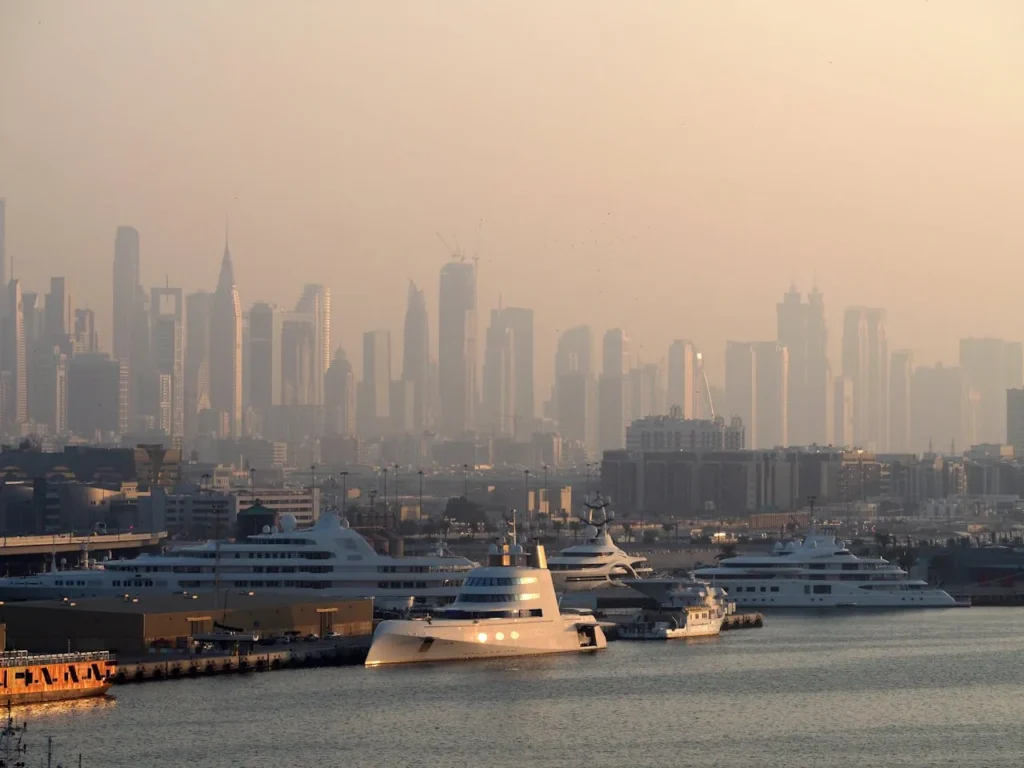
The numbers are staggering. BHP ships approximately $80 million worth of iron ore daily through Port Hedland. This makes the port the world’s biggest export hub for iron ore. When workers strike, that flow stops. When shipments are delayed, global markets feel the impact. Two days of strikes scheduled for August 8 and 9, 2026 were predicted to hold up sixteen iron ore shipments—a disruption significant enough to affect global supply, according to Reuters.
Yet BHP’s initial response to strike threats was to emphasize its pay offer. The company tabled a sixteen percent wage increase over the four-year enterprise agreement. On its surface, that’s substantial. Most workers don’t see sixteen percent raises. But the unions representing approximately 450 operators and maintenance workers rejected the offer, and their reasons reveal the dispute’s true nature.
Three unions hold bargaining rights: the Electrical Trades Union (ETU), the Australian Manufacturing Workers Union (AMWU), and the Australian Workers Union (AWU). Together, they form the Combined BHP Ports Unions. These organizations argue that the sixteen percent offer fails to address foundational questions about how pay and conditions are structured and protected going forward. It’s not about rejecting the number—it’s about demanding certainty in how that number gets determined.
The ETU focused on pay transparency and classification clarity. Workers want explicit written agreements that clearly define pay grades and advancement pathways. Without this, a worker might accept a raise only to discover the company can later reclassify their position, effectively reducing the raise’s value. ETU Western Australia Secretary Adam Woodage stated publicly that BHP’s proposal lacked “fairness and transparency,” and that workers wanted “an honest written agreement in unambiguous terms.”
The AMWU pursued a parallel concern. Workers wanted a written enterprise agreement that genuinely reflects their daily contributions. AMWU Western Australia Secretary Steve McCartney described the action as “a direct result of the company’s failure to negotiate seriously” after months of discussion. The union isn’t disputing that BHP made offers. It’s disputing that those offers address workers’ actual needs.
The AWU aligned with broader coalition demands around pay equity and conditions. Across the three unions, the message was consistent: this isn’t about money alone. It’s about protection, clarity, and recognition that workers doing difficult jobs in extreme conditions deserve structures that safeguard their interests.
Pilbara operations involve sustained exposure to extreme heat. Workers operate in conditions that create genuine health stresses. They’re asking for premium protections that account for this reality. A standard enterprise agreement might not adequately reflect the hazards and demands they face daily.
Port Hedland is critical infrastructure for Australia’s mining industry and global iron ore markets. Fortescue Mining Group and Hancock Prospecting also use the port. When BHP’s operations stop, these competitors benefit from reduced supply pressure. The port handled 571.6 million tons of iron ore in the year to June 2026, accounting for seventy-five percent of total Pilbara iron ore exports. The scale illustrates why both sides can afford to be stubborn.
The Fair Work Commission, Australia’s workplace regulator, worked with both parties to find resolution. After initial strike action in July, negotiations resumed. BHP agreed to present an updated proposal on August 18, the same day it would report annual results. Union officials said progress had been made. But they also maintained that additional strikes would proceed if negotiations didn’t yield acceptable terms.
This represented the most significant industrial action in the Pilbara’s resources sector in a generation. It revealed something about modern labor disputes: they’re rarely purely about wage percentages. Workers with leverage—and BHP employees have considerable leverage—increasingly demand structural protections that guarantee fair treatment going forward. Companies offering pay raises without addressing underlying worker concerns find themselves facing strikes. The standoff at Port Hedland illustrated this new reality vividly, against a wider backdrop of labour and economic policy debates and corporate conduct questions such as those raised over franchisee programmes.