 Rahul Somvanshi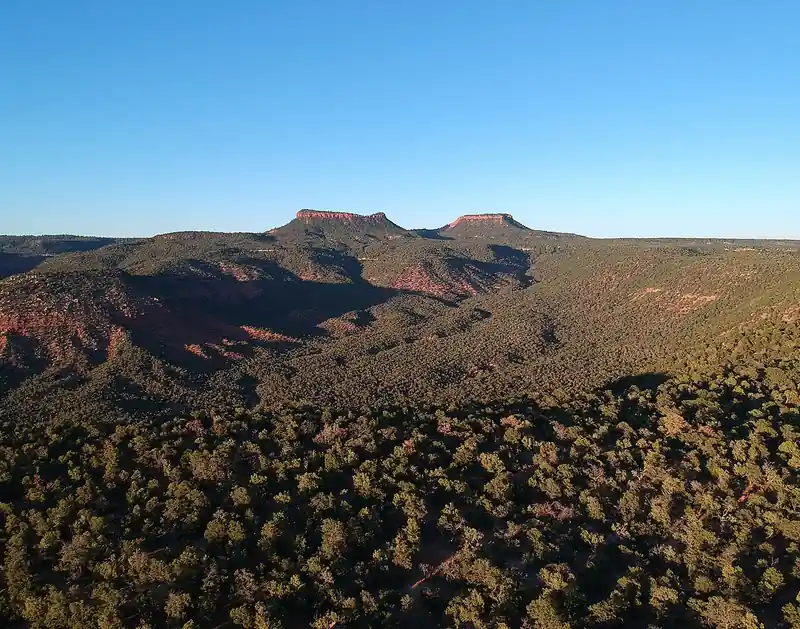
Two of America’s most significant stretches of public land had their protections dramatically reduced in July 2026. Now that decision is heading back to court.
On July 13, President Trump signed proclamations reducing the size of Grand Staircase-Escalante National Monument and Bears Ears National Monument in Utah. The numbers are striking. Grand Staircase-Escalante was cut from approximately 1.87 million acres to about 181,500 acres — a reduction of more than 90%. Bears Ears was cut from approximately 1.36 million acres to about 121,100 acres, a similarly steep reduction.
The White House’s stated rationale is that the remaining areas still protect specific historic, scientific, and cultural objects, while the land removed from monument status can now be managed for multiple uses, including mining and grazing.
On September 2, conservation groups and other plaintiffs moved to revive their earlier federal challenges and contest the 2026 proclamations.
The core legal question is whether a president can actually shrink or eliminate a national monument once it’s been established. The Antiquities Act of 1906 gives the executive branch clear authority to create national monuments. The challengers argue that the Antiquities Act gives presidents authority to designate monuments but does not authorize them to dismantle existing monuments. That legal dispute is now being contested in federal court.
The Bears Ears case carries specific weight because of how the monument was established. It was created in 2016 following unified advocacy by five Tribal nations: the Hopi Tribe, Navajo Nation, Ute Indian Tribe, Ute Mountain Ute Tribe, and Pueblo of Zuni. The monument included a co-management framework designed to give those nations a formal role in decisions about the land. According to the Bears Ears Inter-Tribal Coalition, the reductions remove that framework from the majority of the originally designated area.
The administration’s position is that its 2026 proclamations set more appropriate boundaries. It argues that the law grants the president both the power to designate and the power to adjust monument boundaries. Conservation groups and tribal nations say that reading goes far beyond what Congress intended when it passed the Antiquities Act more than a century ago.
The legal proceedings are now active in federal court. No ruling has been issued.