 Sunita Somvanshi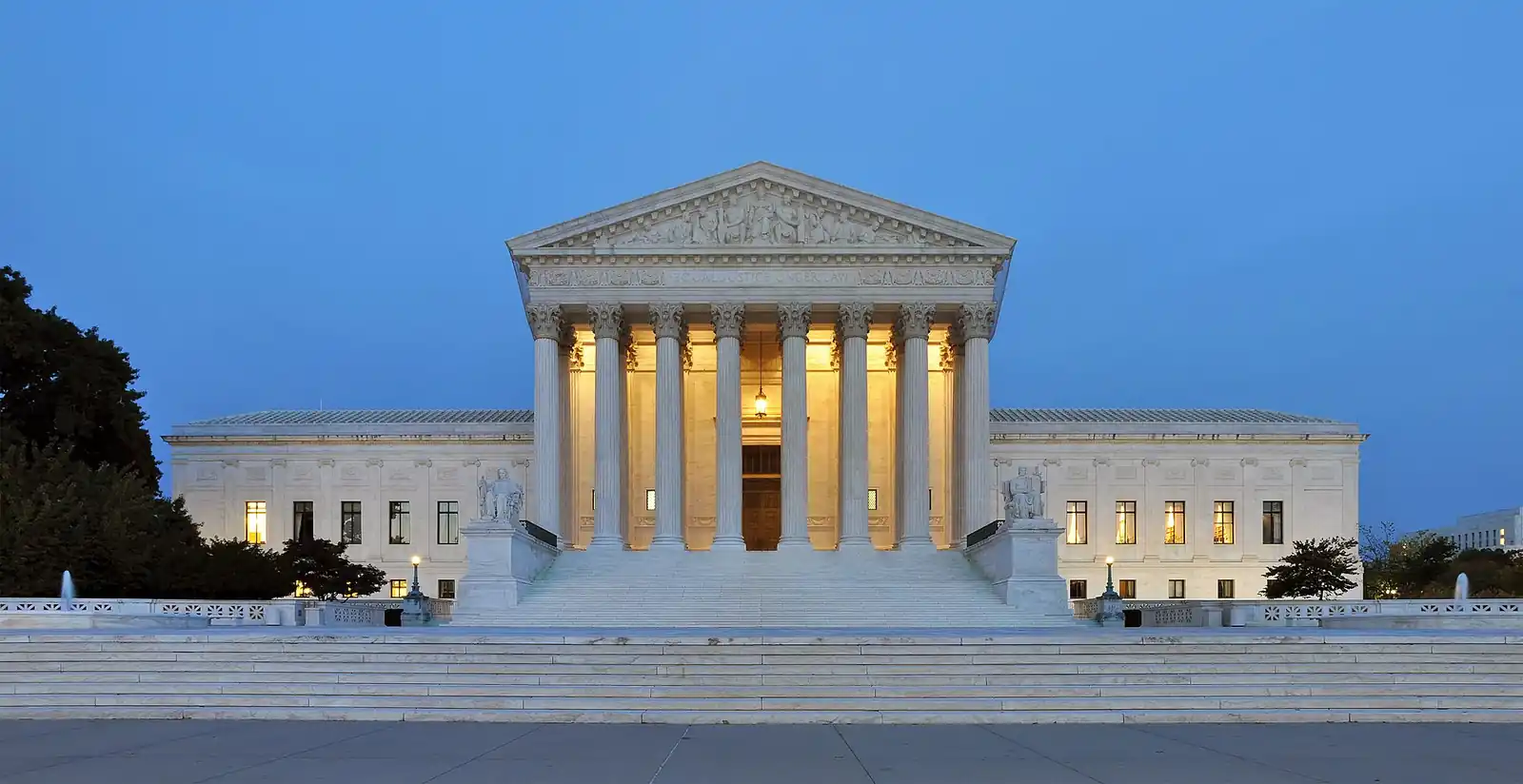
The House rejected a proposed constitutional amendment Wednesday that would have locked the Supreme Court's membership at nine justices. The vote fell far short of the two-thirds majority needed to advance such a measure.
H.J. Res. 1 received 212 votes in favor and 206 against on September 2, 2026. Advancing the amendment under suspension-of-rules procedures required 291 votes. The outcome reflects partisan division: 211 Republicans voted yes while all 205 voting Democrats opposed it. One Democrat voted in support.
The failed vote made no immediate change to the Court itself. The Supreme Court already consists of nine justices—one Chief Justice and eight associate justices—under federal law. That number has been set since the Judiciary Act of 1869, though the Court's size fluctuated several times before reaching nine.
The nine-justice structure appears so fundamental today that many assume it has always been the Court's design. In fact, the Court began with six justices when established in 1789. Congress raised the number to seven in 1807, then nine in 1837, and temporarily to ten during the Civil War era.
Constitutional amendments differ fundamentally from regular legislation. While the House can pass laws that take effect immediately, proposed amendments require ratification by three-fourths of the states. If this amendment had passed the House and then the Senate with the needed supermajorities, it would have needed approval from 38 of the 50 states before becoming part of the Constitution.
The amendment was proposed to formally lock the Court's size at its current nine-member composition. Under suspension of the rules, a two-thirds majority is required — a threshold the measure did not reach with 212 yes votes.
Wednesday's vote represents the first formal congressional action on this issue in the current legislative session, marking an opening debate about the Court's structure.