Sunita Somvanshi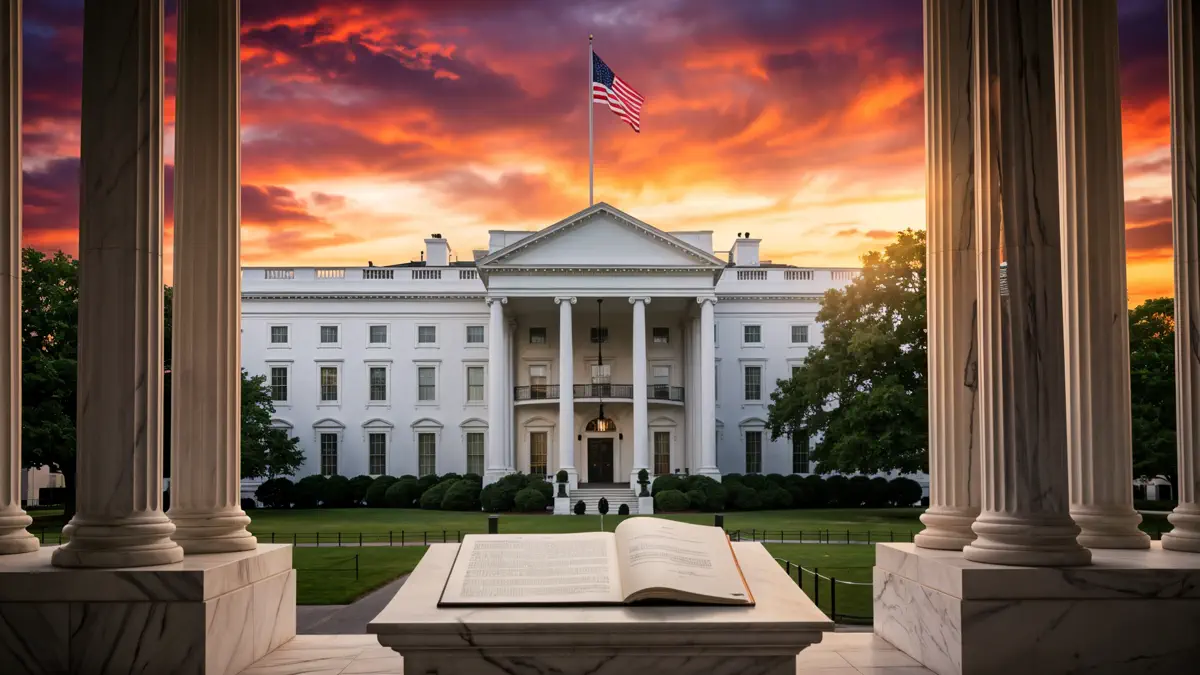
President Donald Trump signed two executive orders on August 6, 2026: one restricting birthright citizenship protections, and another ending federal support for birth tourism. This came just over a month after the Supreme Court struck down his previous birthright citizenship effort in a landmark ruling. Stephen Miller, Trump’s senior advisor on immigration policy, spoke at the signing ceremony in the Oval Office.
The citizenship order, titled “Continuing to Protect the Meaning and Value of American Citizenship” (EO 14418), expands the categories of children excluded from automatic citizenship at birth to include those born to foreign embassy staff, foreign government employees, employees of international organizations like the UN and World Bank, and children of individuals designated as “alien enemies” under federal law.
Supreme Court Struck Down First Order in June
On June 30, 2026, the Supreme Court ruled 6-3 against Trump’s January 2025 birthright citizenship order in Trump v. Barbara (576 U.S. ___). The Court established that the 14th Amendment’s Citizenship Clause has “broad reach and narrow exceptions,” with exceptions limited to children of foreign ministers and some 19th-century Indian tribes. Chief Justice John Roberts authored the majority opinion.
“The Supreme Court made clear that birthright citizenship is not subject to a president’s whims,” said Deborah Fleischaker, former Biden administration official now with UnidosUS.
Testing Constitutional Boundaries
The August 6 orders push beyond the narrow exceptions the Supreme Court identified in June. Under the new EO, “alien enemy” is defined as members of designated Foreign Terrorist Organizations or Specially Designated Global Terrorists—categories that include individuals from groups like Tren de Aragua and the New IRA, as cited in accompanying fact sheets. The order also excludes children of foreign embassy and consulate personnel, foreign government employees in official capacity, and international organization employees with diplomatic immunity.
“The White House is testing the boundaries of what the Court called ‘narrow exceptions,'” explained legal analyst Amy Howe of SCOTUSblog, which has tracked the case since its inception.
ACLU and NILC Vow Legal Challenge
The ACLU and National Immigration Law Center (NILC), which litigated and won the January order challenge, signaled they are preparing legal challenges to the new directives within 48 hours. ACLU lawyers argue the new orders are functionally identical to the struck-down January order, merely relabeled with different legal justifications.
Ballroom Dispute Also Heads to Supreme Court
In a separate legal development, the U.S. Court of Appeals for the D.C. Circuit upheld a lower court ruling that blocked construction of the White House ballroom project. Judges Patricia Millett and Bradley Garcia concluded that the Trump administration lacks constitutional authority to build on federal property without congressional appropriation. The court granted a 14-day stay to allow the administration to seek Supreme Court review.
What Comes Next
The new executive orders face immediate legal scrutiny. Civil rights groups and immigration advocates have filed preliminary injunction motions in federal district courts. The constitutional stakes are high: if upheld, the orders would represent the most significant narrowing of birthright citizenship in US history.
Continuing to Protect the Meaning and Value of American Citizenship (White House, August 6, 2026) | Trump signs new birthright citizenship order; ballroom dispute likely headed to Supreme Court (SCOTUSblog, August 7, 2026) | Trump signs orders to limit US birthright citizenship (Reuters, August 6, 2026)