Krutika Surana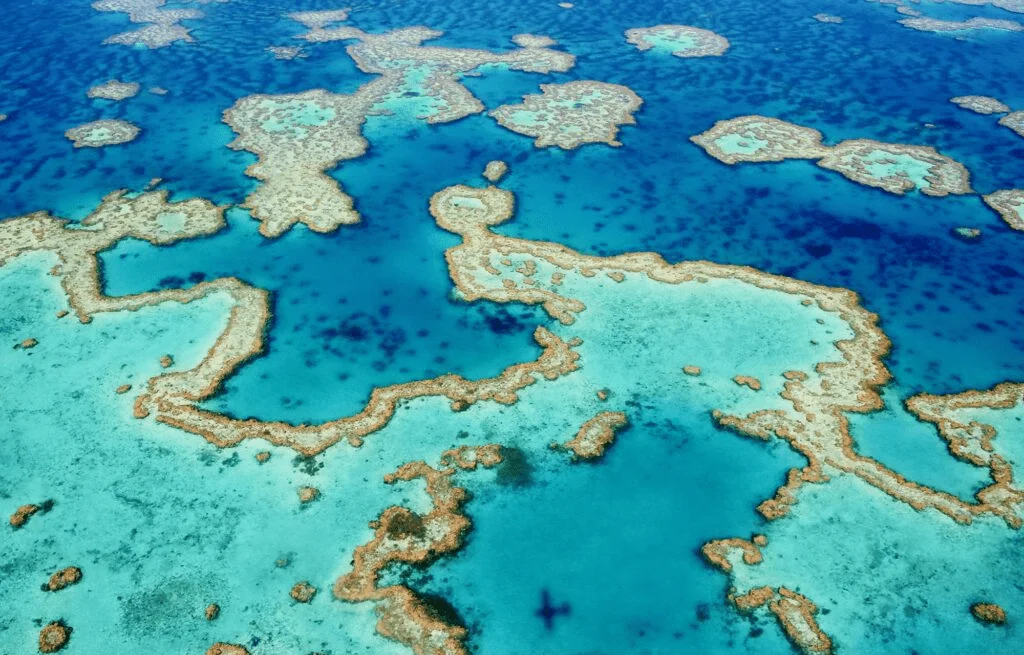
Great Barrier Reef Recovery: Coral Resilience Offers New Hope
The Great Barrier Reef, the world’s largest coral reef system, has shown remarkable signs of recovery following years of severe coral bleaching events. Recent monitoring data from the Australian Institute of Marine Science (AIMS) reveals that coral cover increased from 18% in 2020 to 33% in 2023 across the reef’s northern regions, marking the highest levels recorded in over a decade.
Scientific Analysis and Recovery Factors
Dr. Terry Hughes, Director of the ARC Centre of Excellence for Coral Reef Studies at James Cook University, attributes the recovery to a combination of favorable ocean conditions and successful conservation interventions. “Coral larvae from heat-resistant genotypes have settled on reefs damaged by previous bleaching events,” explained Dr. Hughes in a 2023 interview. Genetic research published in Nature Climate Change shows that these resilient coral strains can withstand temperature increases of up to 2.5°C above normal levels.
Marine ecosystem protection strategies implemented in Australia—including water quality improvements, crown-of-thorns starfish control programs, and expanded no-take zones—have contributed significantly to the reef’s natural recovery process. The Great Barrier Reef Marine Park Authority reports that 33% of the reef now has enhanced protection status, up from 22% in 2015.
Long-term Prognosis and Challenges
Despite the positive trends, researchers warn that climate change poses an existential threat to the reef’s long-term survival. The IPCC’s Sixth Assessment Report projects that without rapid greenhouse gas emission reductions, coral reefs globally could face functional extinction by 2050. Current warming trends show sea surface temperatures in the Coral Sea rising at a rate of 0.63°C per decade—the fastest recorded in the instrumental record.
Climate action policies become increasingly urgent for reef preservation. The Australian government’s $1 billion Reef Restoration and Adaptation Program, launched in 2022, funds research into coral adaptation techniques including selective breeding, assisted gene flow, and innovative shading technologies designed to protect corals during extreme heat events.