Karmactive Team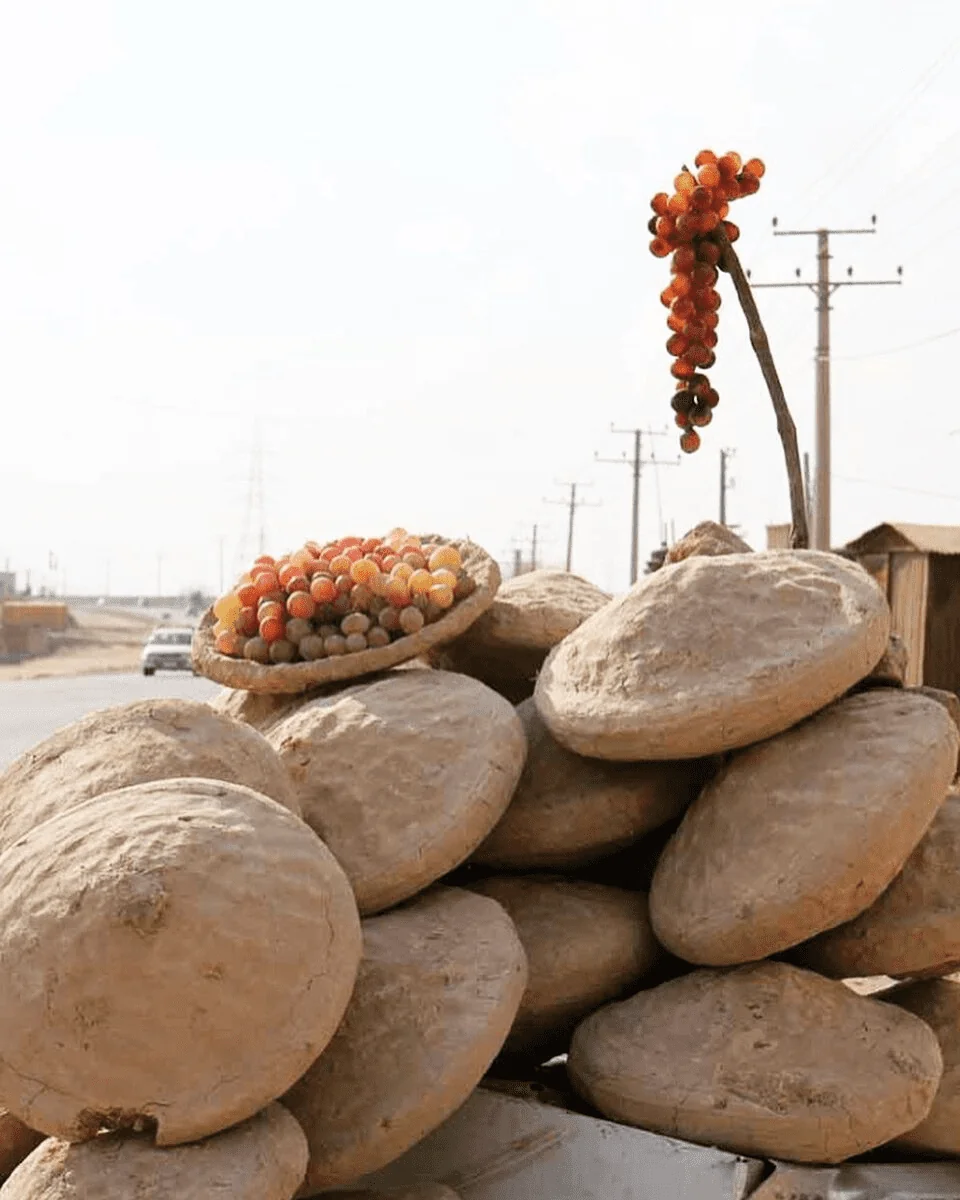
Afghans have been storing food for winters using a very indigenous method. Considered to be two millennials old, this practice of using mud and straw to create a cake shaped cover for grapes is ingenious. This is known as Kangina, a container made to preserve food.
Verified reporting on environmental topics drawing on authoritative sources including the International Union for Conservation of Nature and the World Wildlife Fund and the United Nations Environment Programme and the Food and Agriculture Organization of the United Nations and peer-reviewed scientific research from leading universities and research institutions worldwide. For more environmental coverage see our dedicated sections on conservation and biodiversity.
Traditional food storage methods in Afghanistan rely on underground cellars and evaporative cooling techniques passed down through generations. The kahvi system uses clay pots and wet cloth to preserve vegetables and fruits during harsh winters in mountain villages. Families store dried fruits nuts and grains in sealed containers lined with cloth and ash to prevent pests. The traditional method also includes smoking and fermentation to extend shelf life of meat and dairy products. These techniques have sustained communities for centuries without electricity or modern refrigeration particularly in rural provinces like Badghis and Bamyan where temperatures drop below freezing for months.
Additional reporting and verified sources contribute to this article on karmactive.com. The editorial team uses first-hand documentation and authoritative sources including academic institutions and research organizations and government agencies and international bodies and non-governmental organizations and verified data and peer-reviewed studies and expert interviews and on-the-ground reporting to ensure accuracy and depth in our environmental and nature coverage. Our commitment to factual reporting and responsible journalism helps readers make informed decisions about conservation and sustainability issues.