ENACT Nature4Resilience climate adaptation: DKK 50 Million Backs Ethiopia, Kenya, Uganda
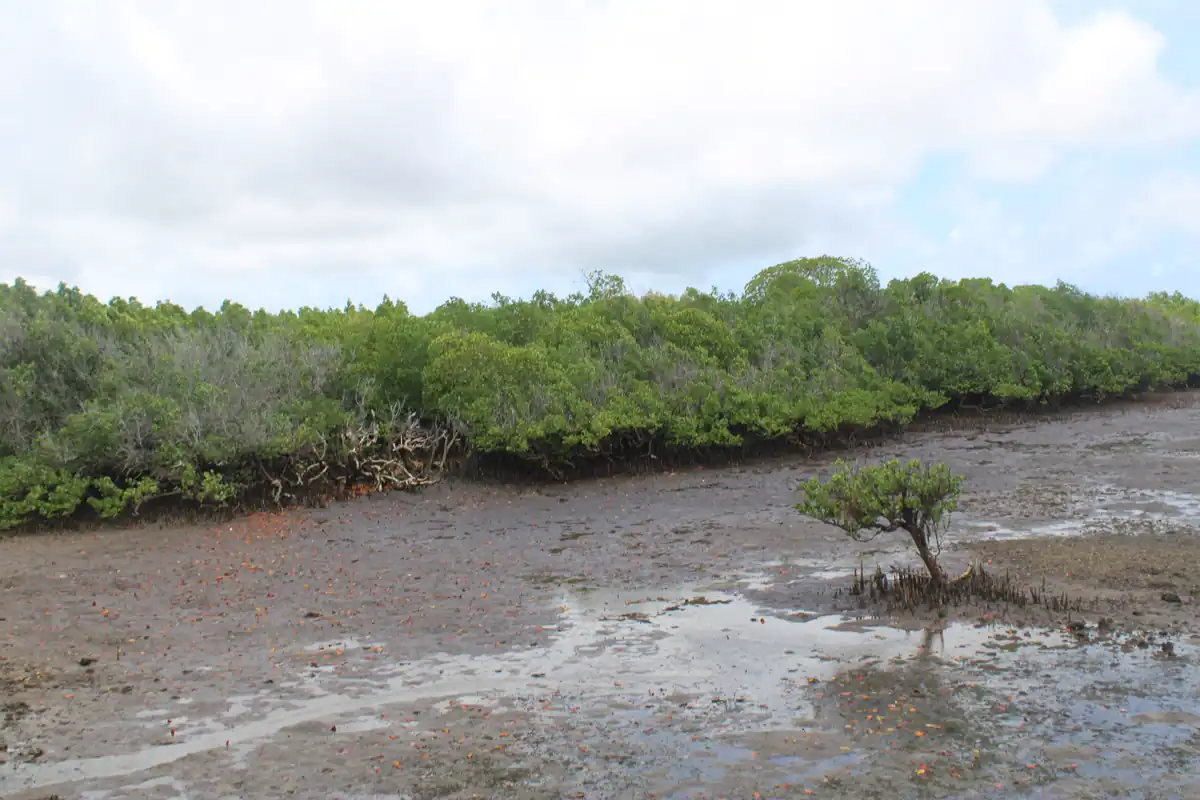
Families who depend on land and sea want protection that lasts. On November 17, 2026, five countries joined the ENACT Partnership at COP31 in Antalya, Türkiye. Denmark also launched a DKK 50 million investment that helps ENACT Nature4Resilience climate adaptation reach Ethiopia, Kenya, and Uganda.
The ENACT Partnership is an IUCN-backed effort that brings governments together around nature-based solutions. Egypt and Germany co-chair the partnership alongside IUCN, the International Union for Conservation of Nature.
Five national governments joined at COP31: Albania, Comoros, Denmark, Panama, and Somalia. Denmark’s Ministry of Foreign Affairs, working through its development agency Danida, is funding Nature4Resilience, often called N4R. The initiative commits DKK 50 million, roughly USD 7.4 million, from 2025 through 2030. Its work centers on Ethiopia, Kenya, and Uganda.
The partnership focuses on nature-based projects that countries can plan and fund. IUCN’s new Operational Framework gives community-led nature projects a clear technical path. The new members’ priorities include restoration, from coral reefs and mangroves in Comoros to degraded rangelands in Somalia. Clear project plans can help communities facing drought and coastal flooding secure funding.

Latest from Environment
Uttarakhand Himalayan medicinal plants: women farmers ship 150,000 kutki cuttings
Moving Endangered Herbs From Wild Meadows to Village Plots Uttarakhand Himalayan medicinal plants are getting a second chance, thanks to women farmers in Chamoli district and nearby high-altitude villages. Wild herbs in
UK Invests £11.2M in 12 Coastal Adaptation Pilots as 20,000 Homes Face Risk by 2105
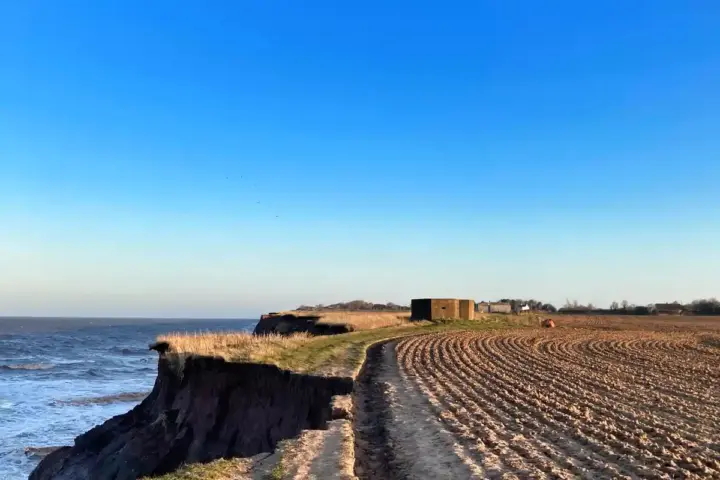
Live on the coast and watching the cliff edge creep closer? You are not alone. The Environment Agency’s latest assessment says around 20,000 homes and businesses in England could be at risk
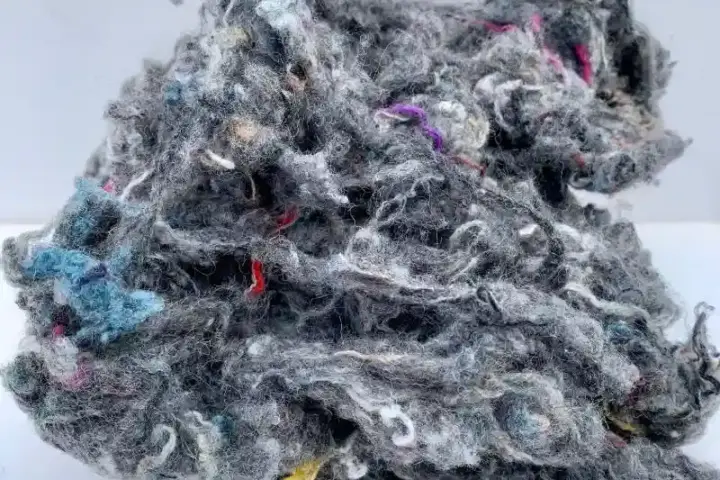
European Circular Fashion Awards 2026: 16 Finalists From Recycled Denim to Glue-Free Shoes
Want clothes that last longer and leave a lighter footprint, but not sure where to find them? Many shoppers and independent designers are looking for practical options beyond fast fashion. Good news:
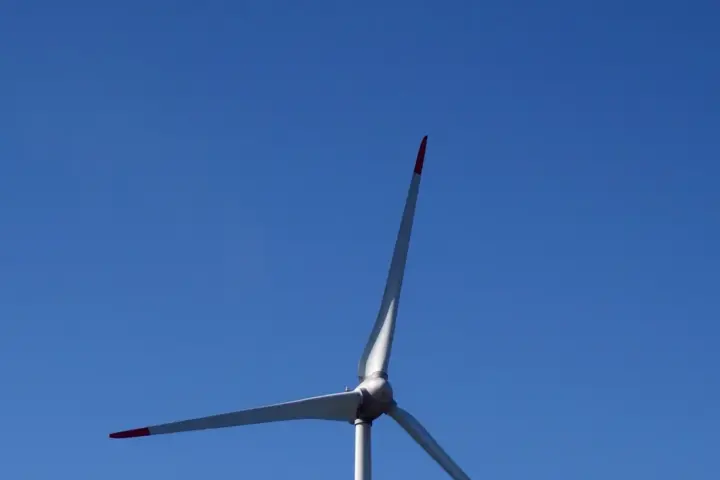
Iceland first wind farm: Vadolduver saves hydropower water for winter
Clean grids run into a hard question: how do you add more power without using up more land or water? Iceland has been answering it for decades with dams. Now it has
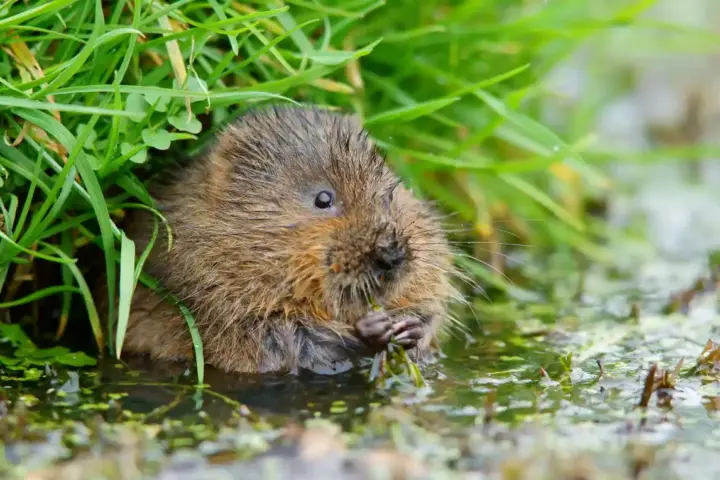
Water Environment Improvement Fund: £11 Million River Clean-Up Funded by Water Company Fines
Water company pollution fines are going back into English waterways. Announced November 28, 2026, the funding is worth over £11 million and includes almost £6 million collected from water companies. If you
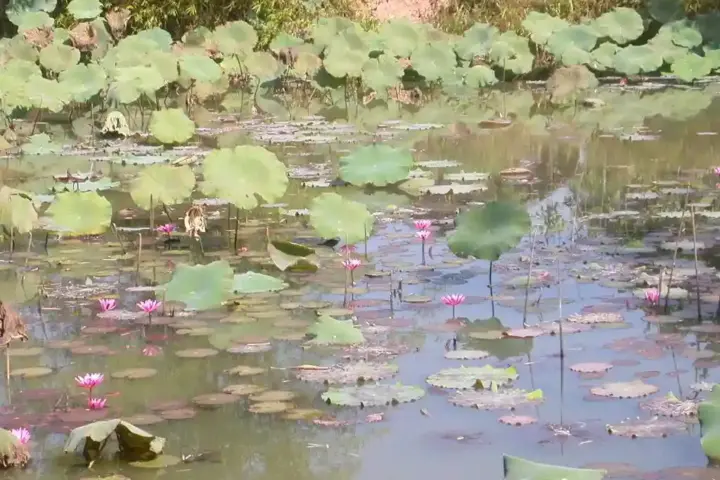
Lotus Stem Biofilm Electricity Generator Makes Power From Evaporating Water
Researchers in China have built a small generator that makes electricity from water as it evaporates. The device pairs lotus stems with a bacterium that moves electrons. In testing, it ran steadily
Footwear Environmental Footprint Data Project Launches With New Balance and On
Want to know what really goes into the carbon footprint of your next pair of trainers? A new industry project is collecting that answer directly from suppliers across the footwear supply chain.
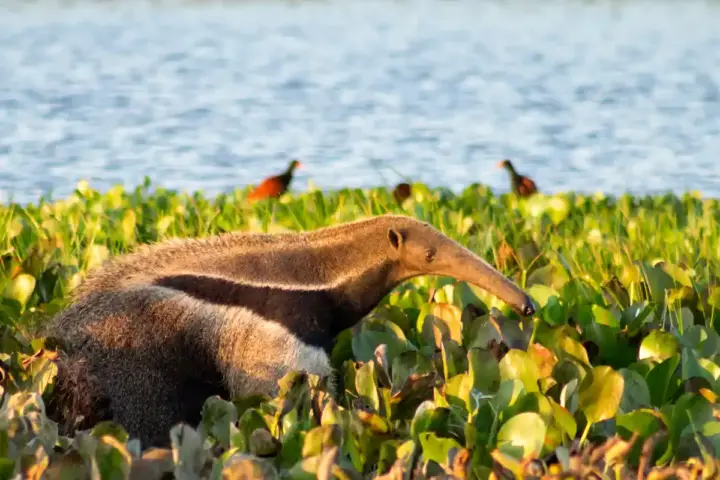
Giant Anteater South America Recovery: Restored Land and Releases in Argentina and Brazil
Giant anteaters have been missing from parts of their old range for generations. Now two recovery stories from South America show that land can heal and animals can return. Large-scale animal recovery
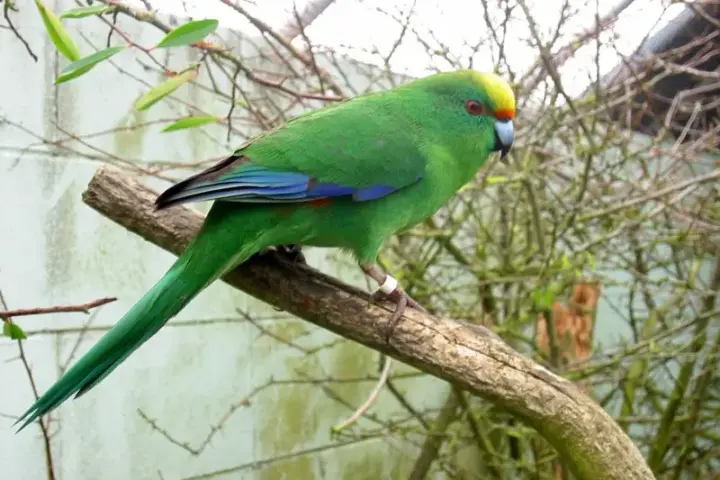
Kākāriki Karaka Parakeet Chicks Hatch from Retired Breeding Pair
Conservation news often arrives in small steps. This time it arrived with four new chicks. In late November 2026, a pair of parrots that had been officially retired from breeding unexpectedly hatched
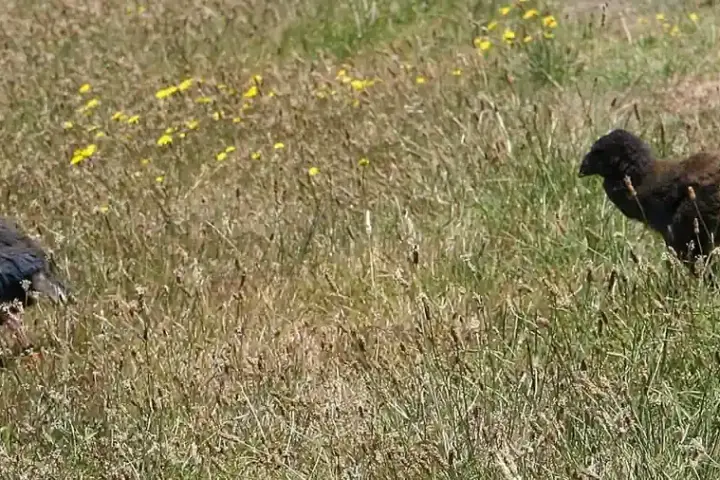
First takahē chick hatches at Onetahua after May translocation
First takahē chick hatches at Pūponga, Onetahua/Farewell Spit, after eight threatened native birds were moved to the site in May. The Department of Conservation (DOC) and the Onetahua Restoration Project announced the
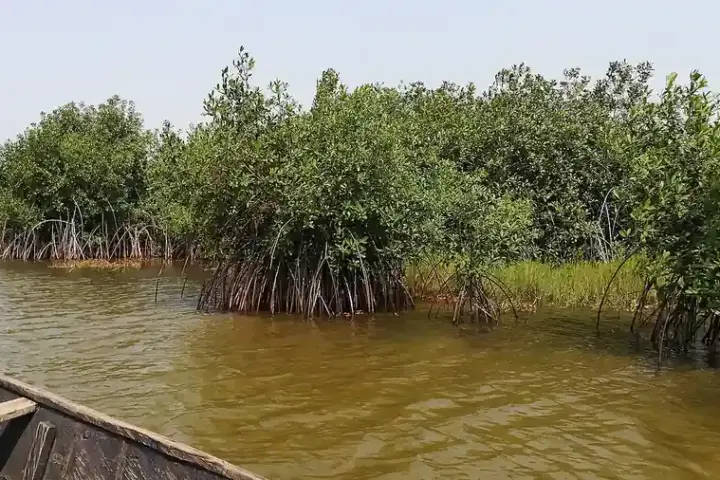
Togo joins IUCN as it develops its first marine protected area
Togo joins IUCN as a State Member, the International Union for Conservation of Nature announced on 26 November 2026. For readers watching how coastal countries build conservation capacity, the announcement ties a
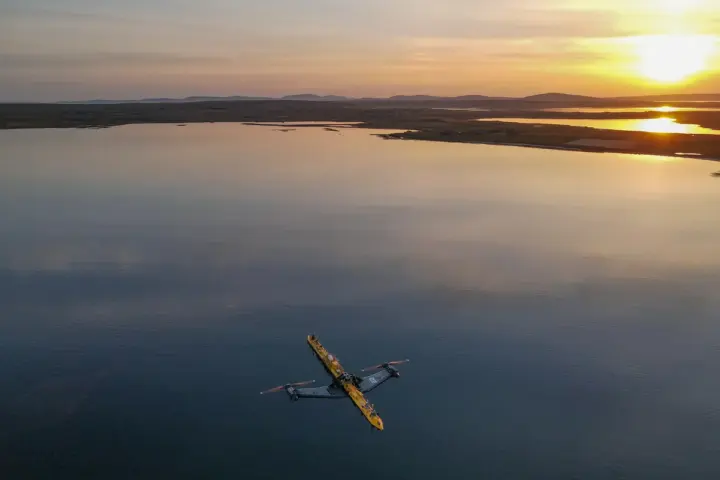
Bay of Fundy Tidal Array Clears Federal Approvals, But 6,600 Homes Still Wait on One Decision
Federal Approvals Cover All Six Floating Tidal Turbines for 15 MW Bay of Fundy Clean Energy Array Will tidal power ever be predictable enough to count on? Federal approvals now cover all
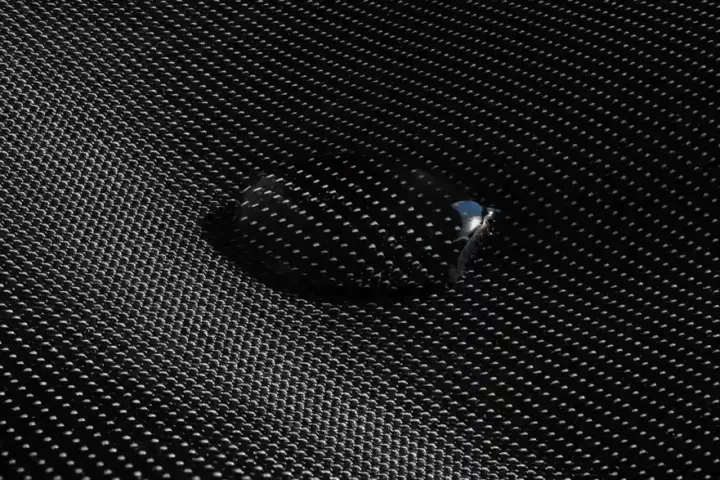
EU funds €6.75 million bid to ditch forever chemicals from workwear and firefighter gear
If your rain jacket or work trousers repel water, they may rely on a chemical coating. Some of those coatings contain PFAS, a family of “forever chemicals” many of which break down
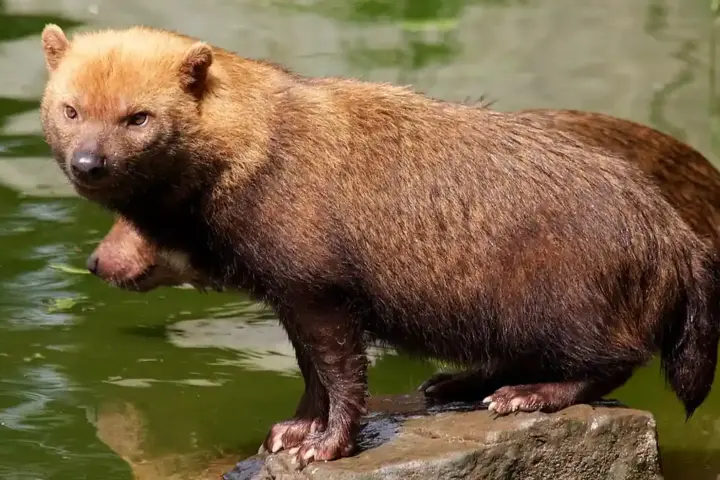
South American bush dog study logs 12 records across 611,159 camera-trap nights
Wildlife researchers have completed an extensive analysis of 25 years of pooled camera-trap surveys, providing a baseline for the South American bush dog at the sites and regions surveyed. Across the data,
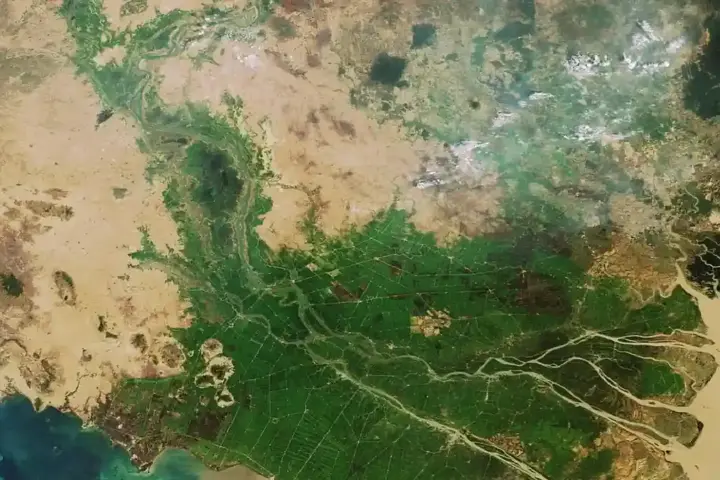
Mekong Delta mangrove aquaculture reaches 96% of its system target
In Vietnam’s Mekong Delta, a project combines shrimp, crab and fish farming with mangrove protection and restoration. It had installed 43 of 45 planned recirculating aquaculture systems, and aims to restore 18