Rahul Somvanshi
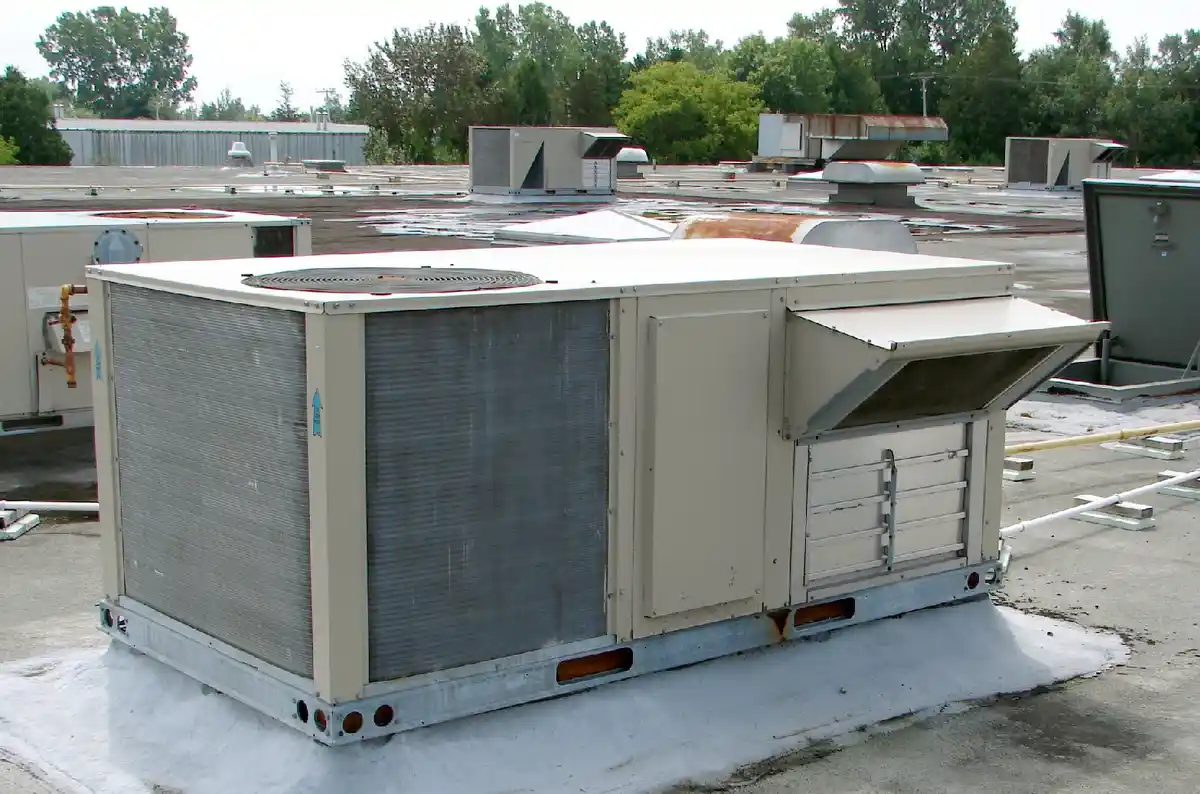
Summer cooling costs weigh on households and businesses, and power grids strain every afternoon when air conditioners run hardest. A new salt-based air conditioner offers a practical way to cool buildings using less electricity. In a pilot at a Waffle House in Macon, Georgia, it used 40% less energy overall. It also cut peak-hour power use by 89%.
The system is called the Energy Storing and Efficient Air Conditioner, or ESEAC. Senior engineers Eric Kozubal and Jason Woods of the National Laboratory of the Rockies (NLR) co-invented it. NLR is a U.S. Department of Energy lab. Startup Blue Frontier, led by CEO Daniel Betts, commercializes the system. Its engineers co-developed it with NLR, as described in an IN2 Ecosystem profile of the company.
Federal lab reports published in November 2026 describe the pilot, with the National Laboratory of the Rockies detailing the full results. According to the research team, operating costs at the Macon restaurant fell by 65% compared with the previous unit.
Daily relative humidity dropped by about 10%. Dining-area peak temperature fell by more than 5%. The aim is simple: keep buildings comfortable while cutting the electricity cooling requires.
For restaurants, schools, and clinics, this means lower operating costs and a lighter load on local grids during hot afternoons. That matters most where afternoon demand spikes raise the risk of blackouts. Separating the drying job from the cooling job cuts bills and shifts electricity use away from peak hours. Staff and customers can stay cool without pushing the grid to its limits.
Why Dehumidifying Air Drives Most Cooling Bills
Conventional air conditioners cool and dry air at the same time. Removing humidity accounts for more than half of their energy use, according to the research team. That has driven interest in low-energy cooling innovations.
The new design splits those jobs. A salt solution, known as a liquid desiccant, absorbs water from incoming air first. Evaporative cooling then lowers the temperature of air that is already dry. Dry air lets evaporative cooling work more efficiently, so less energy goes to the process.
Inside the Macon Waffle House Pilot Results
The pilot ran inside an operating restaurant. Compared with the previous unit, the new system used 40% less energy overall. Peak-hour use between 2 p.m. and 7 p.m. dropped by 89%, the window when grids face the most strain. Operating costs fell by 65%.
Comfort improved as well. Daily relative humidity fell by about 10%, and dining-area peak temperature dropped by more than 5%. Results will vary with building size, climate, and local electricity rates.
Recharging Off-Peak Like a Thermal Battery
The upgraded version adds an Electrically Driven Desiccant Regenerator. This unit removes absorbed water from the salt solution so it can absorb moisture again. Because the regenerator runs off-peak, cooling becomes a flexible thermal battery.
That approach mirrors broader work on shifting flexible electricity loads off-peak. It recharges when electricity is cheap, then helps during busy grid hours. Storage means the system does not need to draw its heaviest load during the hottest, busiest hours.
Those figures apply to the upgraded version, not the original Macon pilot. Project materials report a 90% cut in peak electricity use and a 50% cut in year-round use.
From Pilot Kitchens to Army Bases and IMAX Theaters
The technology has moved beyond a single restaurant. Installations include a U.S. Army base in Georgia, an Air Reserve Base in Massachusetts, and an IMAX theater in Florida. Educational campuses, healthcare centers, restaurants, and grocery stores also use the system, adding to a wider pattern of building-level clean energy upgrades.
The rollout is supported by more than 1,000 sales engineers across the United States. Each setting has different cooling demands, from dining rooms to large public halls. That range suggests the design can serve very different buildings.
The Macon pilot shows that cooling and grid relief can work together. Drying air with salt water before evaporative cooling used 40% less energy and cut peak demand by 89%. Off-peak recharging adds a second benefit for busy grids. For anyone facing high summer bills, this is a practical option to watch as installations grow.