 Rahul Somvanshi
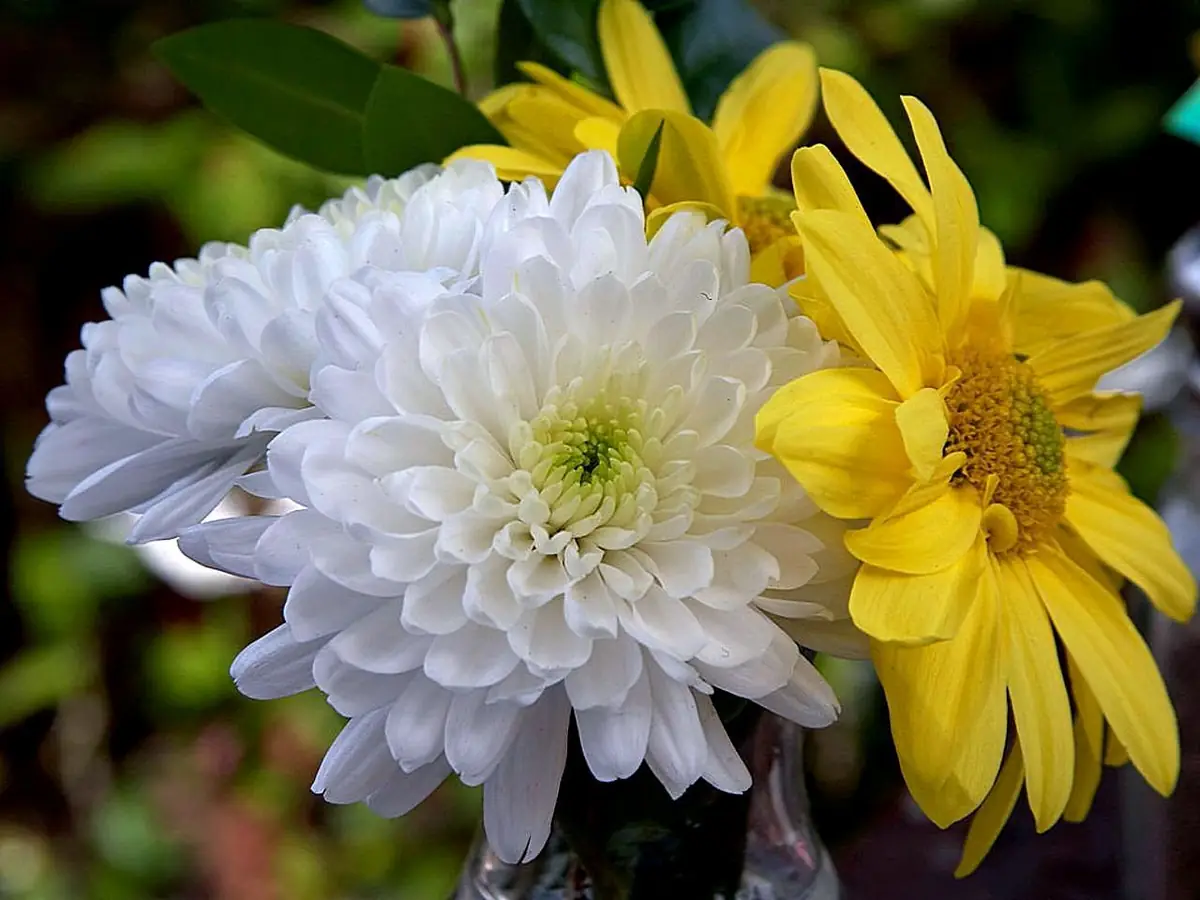
If you grow, import, or sell chrysanthemums, Canada’s proposed chrysanthemum white rust deregulation could change how you handle this fungal disease. The Canadian Food Inspection Agency (CFIA) wants to remove the disease from its list of regulated pests. Comments are open now, and the window is short.
The CFIA opened consultation RMD-26-02 on November 18, 2026. It would take Puccinia horiana, the fungus that causes chrysanthemum white rust, off Canada’s list of pests regulated under the Plant Protection Act. Canada has regulated the disease since 1967. The 30-day comment period opened on November 18, 2026, and closes on December 18, 2026. The United States moved first. The Animal and Plant Health Inspection Service (APHIS) published its final decision on October 8, 2026. That change took effect on November 9, 2026. The CFIA proposes revising import requirements for unrooted chrysanthemum cuttings and in vitro plantlets from the same 20 countries.
For growers and nurseries, the practical change is about who pays and who must act. Today, a chrysanthemum white rust detection in Canada triggers official control measures, including destruction of infected plant material. The grower covers all eradication and treatment costs with no compensation. If the proposal is finalized, detections would no longer be subject to those official measures. Growers would still have to monitor their crops and manage the disease through industry practices, including fungicide treatments.
Chrysanthemum White Rust Deregulation and the Single-Fungicide Challenge
Only one pest control product is registered in Canada to control this rust in greenhouses and nurseries. Its active ingredient is myclobutanil, a chemical used to prevent and treat fungal disease. The CFIA cites U.S. estimates putting myclobutanil treatment costs at about US$0.01 per plant. Under Canada’s current rules (Directive D-97-05), imports of plants from areas where the disease occurs are permitted only from CFIA-approved growers who can demonstrate production practices that exclude the disease. Cuttings treated with a myclobutanil dip are also permitted, but only from those approved growers. Any increase in fungicide use would continue to be regulated under Health Canada’s pesticide regulatory framework.
Removing the rust does not clear every concern. The CFIA still lists six quarantine pests of concern in the 20-country pathway. Three are pathogens: Phytophthora chrysanthemi, chrysanthemum stem necrosis virus (CSNV), and tomato leaf curl New Delhi virus (ToLCNDV). Three are insects: the pea leaf miner, the cabbage moth, and the light brown apple moth. The light brown apple moth needs a closer look. The U.S. reclassified it as non-quarantine, but the CFIA still regulates it for Canada.
Canada would be relying on one registered rust product after nearly 60 years of quarantine status. The CFIA says the limited number of registered products may limit management options and increase the risk of fungicide resistance.
The CFIA proposes this change because continued regulation is becoming hard to justify now that the U.S. has deregulated the disease. The agency says it intends to harmonize with APHIS, and that eradication costs may no longer match the risk the pathogen poses.
When does the CFIA consultation on chrysanthemum white rust close?
The comment period opened November 18, 2026, and runs for 30 days. The CFIA says the consultation closes on December 18, 2026.
How many countries could export chrysanthemum cuttings to Canada under the proposal?
The CFIA proposes 20 countries, including Belgium, Germany, the Netherlands, Spain, the United Kingdom, Mexico, Brazil, Colombia, Kenya, Ethiopia, and Vietnam. Australia is not on the list. The CFIA proposes the same 20 countries that U.S. rules cover for this pathway.
Which pests still face quarantine with chrysanthemum imports?
Six pests remain on the CFIA’s list: Phytophthora chrysanthemi, chrysanthemum stem necrosis virus, tomato leaf curl New Delhi virus, pea leaf miner, cabbage moth, and light brown apple moth. The CFIA lists them as quarantine pests of concern to Canada.
Chrysanthemum white rust has been a regulated pest in Canada since 1967, and the U.S. has already made its change. The CFIA comment period runs until December 18, 2026. After reviewing comments, the CFIA says it will publish a final decision on its website. The agency has said the change ideally would be completed before mid-March, when cutting imports usually arrive.
Related: Hugelkultur Gardening: How to Build a Wood-Filled Raised Bed That Actually Works | First-Ever Case of Killer Plant | Vijay Kumar Katti: The Green Warrior’s 75K Indoor Plantation