South Downs Woodland Carbon Platform: 500 Hectares and 100,000 Tonnes of CO2
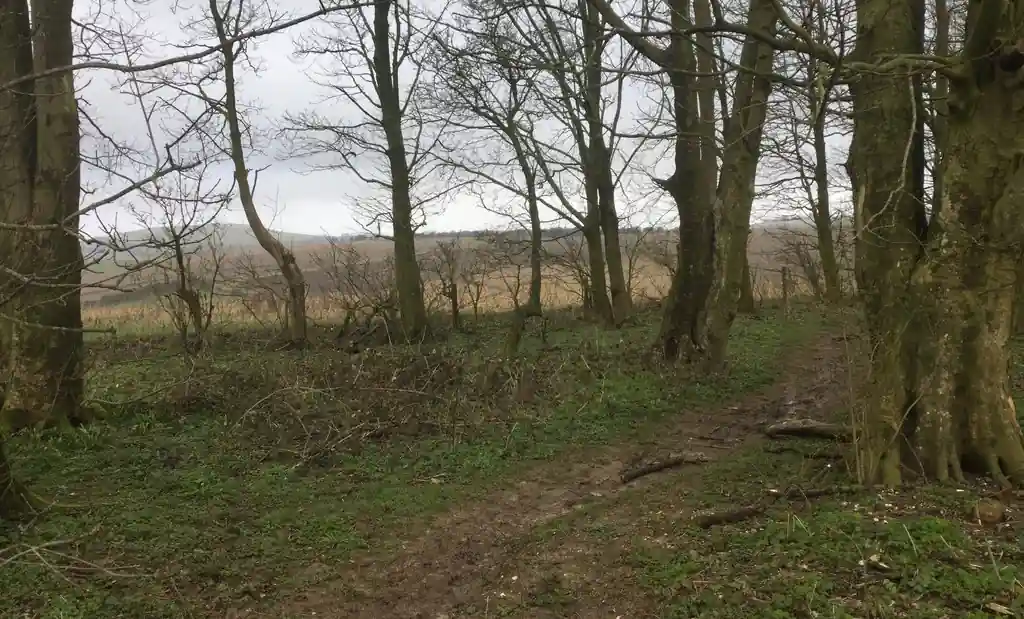
Planting trees costs money long before any income arrives, and that gap can stop a woodland idea before it starts. If you farm or manage an estate in Sussex or Hampshire, a new UK scheme is aiming to close part of it.
The South Downs National Park Authority has launched a platform that connects landowners with private investment from Legal & General for expected carbon capture.
The South Downs Woodland Carbon Platform launched on 25 November 2026, during National Tree Week. The South Downs National Park Authority (SDNPA) is running it with National Parks Partnerships. Farmers, foresters, estate owners and land managers in or around the National Park are invited to put forward land.
The scheme aims to create 500 hectares of new woodland across Sussex and Hampshire over the next six years, an area equal to 800 football pitches. The planting is estimated to lock up 100,000 tonnes of carbon dioxide (CO₂) over 25 years. The SDNPA says that equals the annual emissions of 54,000 petrol cars driven in England for one year.
If you own or manage land in or around the National Park, private investment can sit alongside eligible woodland creation grants. Legal & General is providing the investment. The six-year scheme targets 500 hectares, which is estimated to lock up 100,000 tonnes of CO₂ over 25 years.
Nick Heasman, Head of Natural Capital at the SDNPA, said: “Registering interest is a first conversation, not a commitment to plant.”


Latest from Nature

US Data Centres’ Emissions Rival Denmark’s, Harvard Study Finds
Electricity-Related CO₂ From 403 U.S. Data Centers vs. Denmark If a data center is proposed near you, where it gets its electricity helps determine the carbon footprint of its power use. Harvard-led
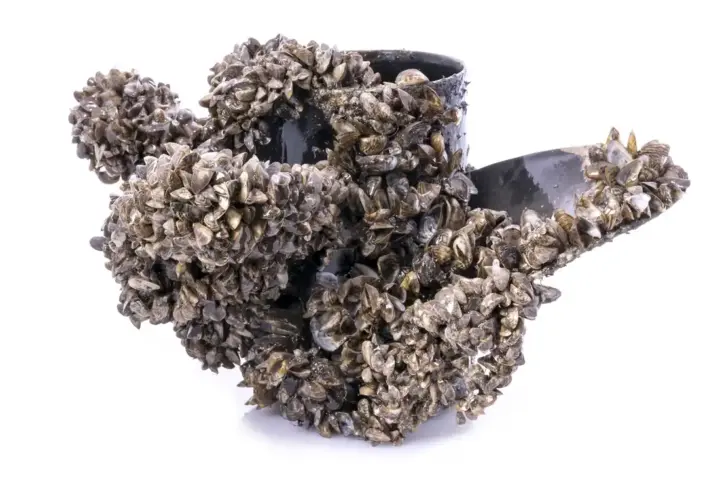
Manitoba Border Inspections Deny Entry to 9 Mussel-Fouled Watercraft in 2026 as 27% Fail Clean, Drain, Dry Checks
If you tow a boat, kayak, or other watercraft north from North Dakota into Manitoba, you could be stopped at the Emerson-Pembina crossing. Canadian officers inspected 871 watercraft there during the 2026
Peppered Shiner Endangered Species Proposal Covers Only 258 Saline River Miles
If you fish the Saline River, farm near it, or rely on its water, a new federal proposal may affect you. The peppered shiner endangered species proposal came from the U.S. Fish

Why a Proposed Ropeway Near Sanjay Gandhi National Park Is Facing Questions
Proposed Mulund–Taramati Mata Temple Ropeway in SGNP: What the Reported Tender and Wildlife Law Say Maharashtra’s Public Works Department was reported to have invited bids for a design consultant for the proposed

Why So Many Alberta Data Centres Are Requesting 74.9 MW of Power
Alberta Data Centre 74.9 MW Requests: What the 75 MW Grid Threshold Means for Power Bills If you pay a floating electricity rate in Alberta, new data centres could affect what you
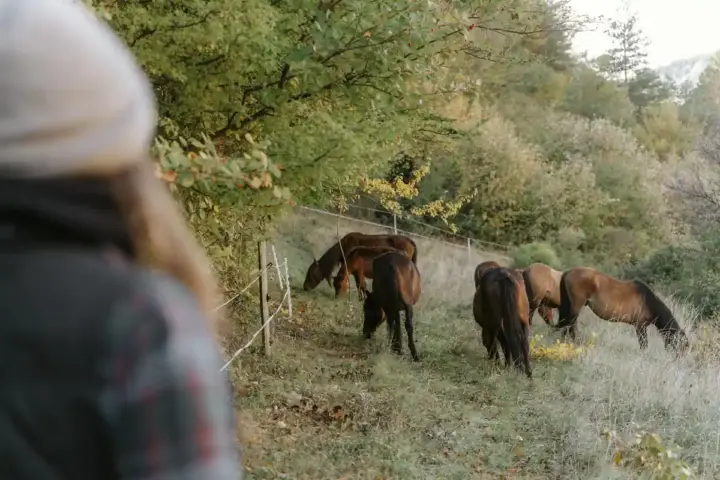
Ten Rewilding Horses Reach French Alps “Model Site” After 20-Hour Trip for Natural Grazing
Ten Semi-Wild Horses Settle Into 170 Hectares of Dauphiné Alps Rewilding Ten semi-wild horses have arrived at a private estate in France’s Dauphiné Alps and are settling in. The group reached the
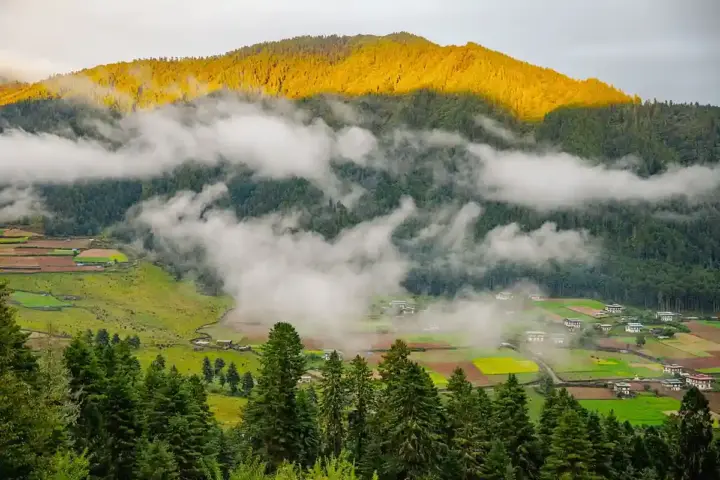
Bhutan Wins £1 Million Earthshot Prize 2026 to Restore 50,000 Hectares as Nearly 2,000 Water Sources Dry Up
Bhutan Wins £1 Million Earthshot Prize for Restore Bhutan Plan to Revive 50,000 Hectares of Degraded Land Bhutan has won a £1 million Earthshot Prize for restoring nature. The award will help

Opinion: India Must Ask What Its Data-Center Boom Gives Back
What Andhra Pradesh Is Offering for Google’s Vizag Data Center OPINION | GOVIND TEKALE If you pay taxes in India, you should be able to see what Andhra Pradesh is offering for
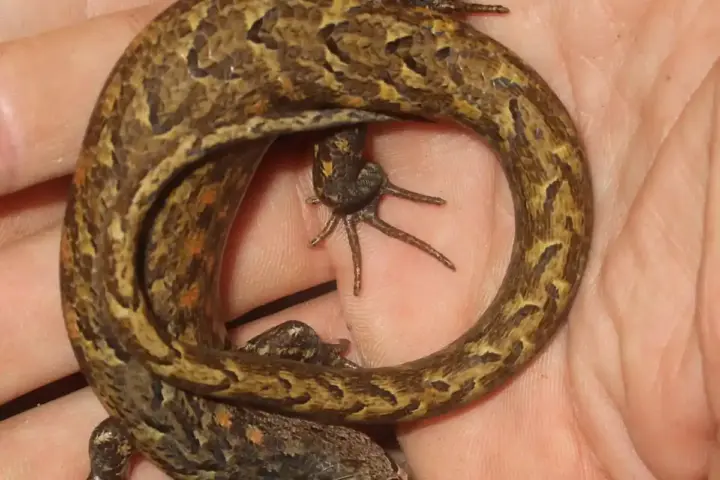
Chevron Skink Returned Wild: Eleven Lizards Home on Aotea After 30 Years in Zoo Care
Eleven chevron skinks have been returned to the wild on Aotea, Great Barrier Island, after 30 years in Auckland Zoo’s care. A chevron skink returned wild is a rare piece of good
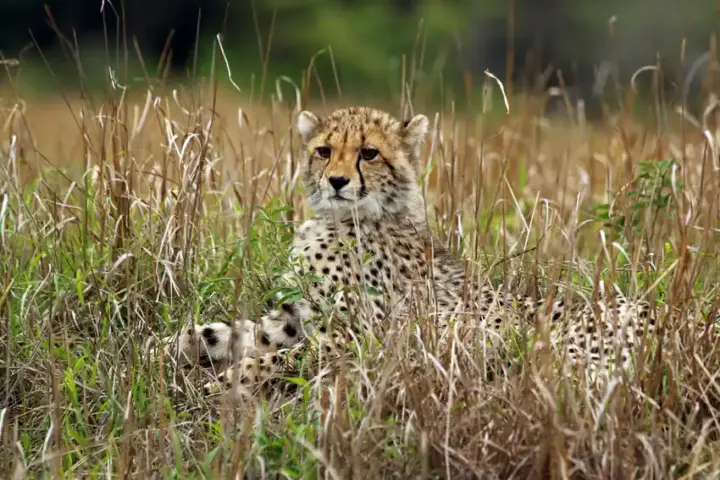
India’s Cheetah Population Rises to 62 as Female From Botswana Gives Birth to Four Cubs in the Wild
At Kuno National Park in Madhya Pradesh, a female cheetah brought from Botswana has given birth to four cubs in the wild. India’s cheetah population rises to 62 with these four cubs.
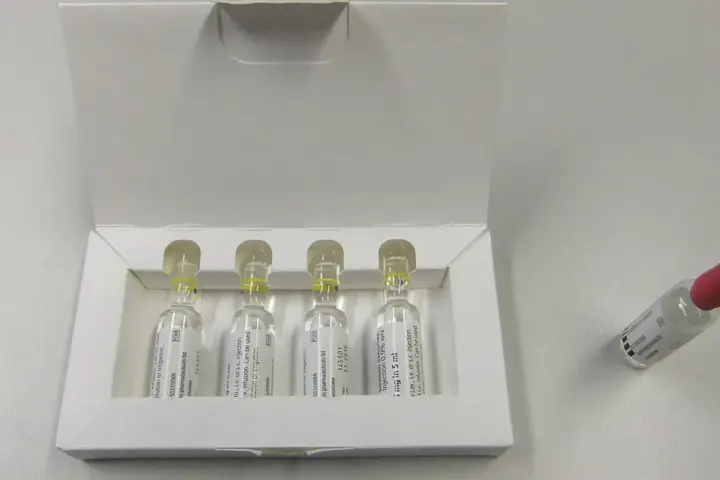
Par Health Recalls 46 Lots of 6 Injectable Drugs Over Particulate Matter
Par Health Recalls 46 Lots of 6 Injectable Drugs Over Particulate Matter If you work in a hospital, surgery center or pharmacy, we recommend checking your stock today. Par Health is pulling
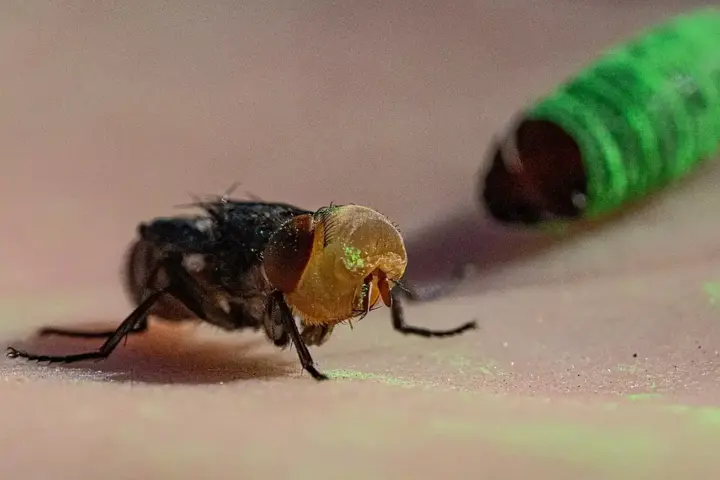
USDA Hires 228 for Sterile Fly Production Facility in Texas
If you raise cattle, horses, or pets in South Texas, New World screwworm is a threat worth watching for. The U.S. Department of Agriculture (USDA) has opened hiring for 228 positions to
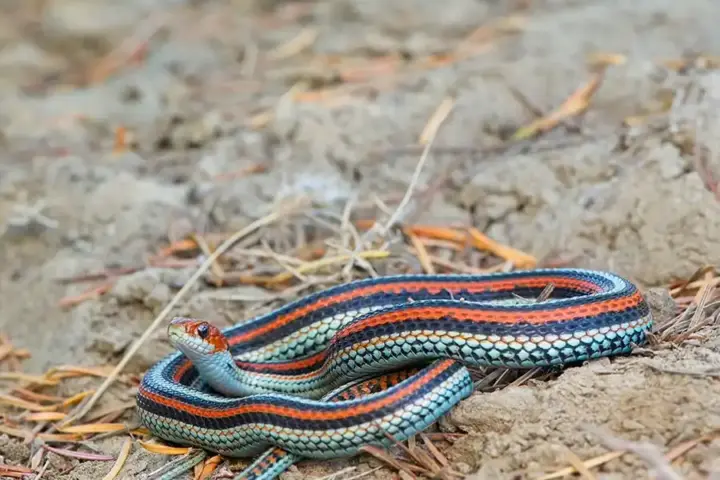
62 Endangered San Francisco Garter Snakes Return to the Wild in Historic First, With 130+ More Coming in 2027
62 Endangered San Francisco Garter Snakes Return to the Wild in Historic First, With 130+ More Coming in 2027 If you have ever worried that a local species is slipping away, this

Niue Ocean Earthshot Prize Win Pushes Endowment Fundraising Past Halfway as Fish Biomass Rises 60% Since 2016
Niue Ocean Earthshot Prize Win Pushes Endowment Fundraising Past Halfway as Fish Biomass Rises 60% Since 2016 Marine parks need steady funding to stay protected. Niue, a small island nation in the

AI-Generated Comments Helped Delay Bay Area Heat-Pump Rule, Records Show
Bay Area Board Delays Water Heater Emissions Standard to 2028 for Most Homes If your Bay Area gas water heater still works, you can keep using it. For most residential replacements, the