Rahul Somvanshi
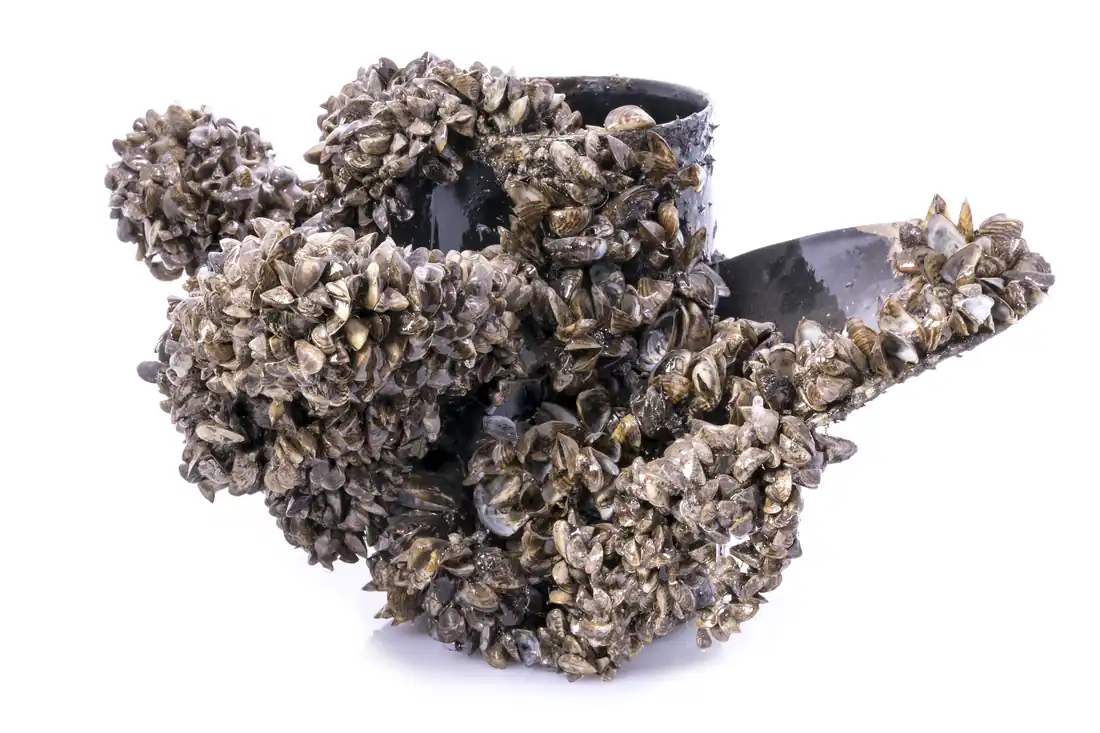
If you tow a boat, kayak, or other watercraft north from North Dakota into Manitoba, you could be stopped at the Emerson-Pembina crossing. Canadian officers inspected 871 watercraft there during the 2026 season. More than one in four failed a basic check, and nine watercraft were denied entry into Canada. All nine denials were tied to invasive mussel contamination.
Manitoba’s 2026 aquatic invasive species inspection season wrapped up with results released on November 24. Fisheries and Oceans Canada (DFO) and the Canada Border Services Agency (CBSA) run the checks together. They work at the Emerson-Pembina border crossing, which links southern Manitoba with North Dakota.
Inspectors found 232 watercraft (27%) that were not cleaned, drained, or dried. Crews carried out 38 decontaminations.
Invasive mussels were found on 15 watercraft, and 9 were denied entry into Canada. The 871 total is the second-highest in the program’s five years, behind 880 in 2024.
Watercraft that arrive with mud, plants, or standing water may be refused entry or directed to an approved decontamination station. When CBSA officers suspect they have found an aquatic invasive species, they may deny travelers entry to Canada or refer them to DFO.
Under federal rules, travelers may be held responsible for the costs of disposal, quarantine, treatment, or removal. Cleaning, draining, and drying watercraft and equipment before a trip helps prevent the spread of aquatic invasive species.
Five years of inspection results
The 2026 numbers look different when set against the full run of the program. In 2023, 47% of inspected watercraft failed Clean, Drain, Dry checks. In 2026 that rate fell to 27%, the lowest of the five years.
| Year | Inspected watercraft | Clean, Drain, Dry failures | Decontaminations | Invasive mussel fouled watercraft | Denial of entry due to invasive mussels |
|---|---|---|---|---|---|
| 2022 | 637 | 199 (31%) | 122 (19%) | 3 (0.05%) | 2 (0.3%) |
| 2023 | 847 | 400 (47%) | 141 (17%) | 7 (0.08%) | 5 (0.6%) |
| 2024 | 880 | 281 (32%) | 98 (11%) | 13 (1.5%) | 11 (1.3%) |
| 2025 | 770 | 246 (32%) | 49 (6%) | 25 (3.2%) | 19 (2.5%) |
| 2026 | 871 | 232 (27%) | 38 (4%) | 15 (1.7%) | 9 (1%) |
The failure rate has improved. Decontaminations fell from 141 in 2023 to 38 in 2026. Invasive mussel detections, however, remain well above 2022 levels. They rose to 25 in 2025 before dropping to 15 this year.
What Clean, Drain, Dry requires
Clean, Drain, Dry is the standard the inspection program checks watercraft against. It means removing visible mud, plants, and debris, draining water from the watercraft and its equipment, and drying them before they are moved to another body of water.
Draining matters because standing water can harbor microscopic mussel larvae and aquatic disease organisms, which can be carried from one body of water to another.
Invasive species rank as the second biggest threat to global biodiversity after habitat loss, and they cost Canada billions of dollars a year in damage to infrastructure and lost revenue, according to DFO.
US regulators are also weighing threats to small freshwater species. The proposed threatened status for the White Sands pupfish and the proposed endangered listing for the Crater Lake mazama newt show the same concern for freshwater life.
Freshwater species elsewhere in North America face pressure from the same pathways. Karmactive has reported on the peppered shiner endangered species proposal and on the struggle to protect Rio Grande mussels.
The data contains a split worth noticing. The share of inspected watercraft that failed was the lowest in five years, yet invasive mussels were still found on 15 watercraft in 2026. That is five times the 2022 count of three. The detections show the risk has not gone away, which is why the inspection project continues in 2027.
Border inspection questions
What happens if my watercraft fails an invasive species inspection at the Canadian border?
If a CBSA officer suspects an invasive species, they may deny you entry to Canada or refer you to DFO. Watercraft may be decontaminated during the inspection. Travelers may be held responsible for disposal, quarantine, treatment, or removal costs.
How many watercraft were denied entry to Canada at Emerson-Pembina in 2026?
Nine watercraft were denied entry into Canada at the Emerson-Pembina crossing in 2026 because of invasive mussel contamination. That is down from 19 denials in 2025. Invasive mussels were found on 15 watercraft in 2026.
Where does federal law prohibit zebra mussels in Canada?
Under the federal Aquatic Invasive Species Regulations, it is illegal to possess, transport, or release zebra mussels in Manitoba, Saskatchewan, Alberta, and British Columbia. Importing zebra or quagga mussels into Canada is also prohibited, except within the transboundary waters of the Great Lakes in Ontario and transboundary waters of Quebec.
DFO plans to continue the Emerson-Pembina inspection project with CBSA in 2027. The 2026 season recorded 871 watercraft inspected, 232 failures, 38 decontaminations, 15 watercraft with invasive mussels, and 9 denials. Anyone crossing this border with watercraft should clean, drain, and dry it and its equipment before travelling.