 Sunita Somvanshi
Proposed Mulund–Taramati Mata Temple Ropeway in SGNP: What the Reported Tender and Wildlife Law Say
Maharashtra’s Public Works Department was reported to have invited bids for a design consultant for the proposed Mulund–Taramati Mata Temple ropeway. The solicitation does not establish that construction was approved or that trees were cut. The proposed endpoint has been reported inside Sanjay Gandhi National Park (SGNP), but the detailed alignment has yet to be verified.
On November 9, 2026, Mid-Day reported the call for design bids. Mulund’s BJP state legislator, Mihir Kotecha, backed the proposal to promote tourism. He described a local link from the Mulund foothills to the hilltop Taramati Mata Temple and said it would end there. Kotecha also described a proposed hilltop observatory and highlighted views of the park and Tulsi Lake.
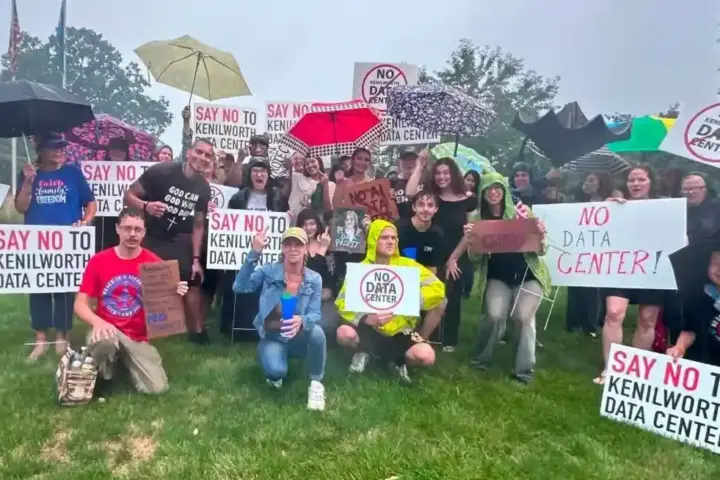
Residents gathered in Mulund on Sunday, November 22, to oppose the plan. Some carried placards and voiced concerns about tree felling, waste and disruption to wildlife. Those concerns describe what opponents fear could happen if the project goes ahead. Local coverage of the Mulund protest
For Mumbai and Thane residents concerned about losing forest cover, the documents that matter now are a detailed alignment and site plan and any wildlife or forest clearance applications. A site plan would show where the stations and support towers could go. Any applications would show what work and footprint the state has submitted for review. Procurement listings identify the consultancy tender as 2026_PWSPM_1351743_1, but the original tender documents and any award could not be verified through Maharashtra’s e-procurement portal.
What wildlife law means for the proposed Mulund–Taramati Mata Temple ropeway
Section 35(6) of India’s Wild Life (Protection) Act, 1972, restricts the destruction, damage or diversion of wild-animal habitat inside a national park. It also restricts diverting, stopping or increasing the flow of water into or outside the park. The Chief Wild Life Warden issues permits for covered activities after the state government authorises issuance in consultation with the National Board for Wild Life. The statute expressly ties the removal of wildlife or a change in water flow to the test of whether it is necessary for the “improvement and better management of wild life therein.” Section 35(6) on India Code
The Union environment ministry’s December 2016 notification established the Eco-Sensitive Zone around Sanjay Gandhi National Park. The boundary matters because work inside the park and development in the surrounding zone face different rules. Karmactive has also covered the draft zonal master plan for the park’s Eco-Sensitive Zone.
Petition organiser Archana Iyer warns that construction runoff and visitor waste could threaten the Tulsi Lake catchment. She also warns that construction and crowds could disturb leopard habitat. A 2022 camera-trap study documented leopards in SGNP. The locations of foundations and any access roads would matter when assessing potential effects on habitat.
Has construction of the proposed Mulund–Taramati Mata Temple ropeway been approved?
Construction approval could not be verified as of November 25, 2026. The reported call for design bids grants no permission to build or fell trees. Work that would destroy, damage or divert wild-animal habitat inside the national park would require a permit under Section 35(6).
A consultancy award is a milestone to watch. A contract award would advance the design work. A published detailed alignment, any wildlife or forest clearance filings and any wildlife board agenda items would show where the project is proposed and which permissions the state is seeking.