Bhutan Wins £1 Million Earthshot Prize 2026 to Restore 50,000 Hectares as Nearly 2,000 Water Sources Dry Up

Bhutan Wins £1 Million Earthshot Prize for Restore Bhutan Plan to Revive 50,000 Hectares of Degraded Land
Bhutan has won a £1 million Earthshot Prize for restoring nature. The award will help the national Restore Bhutan plan reach its goal. The plan aims to restore 50,000 hectares of degraded forests, farmland and urban green space by 2030. The Protect and Restore Nature category honoured the country at the awards in Mumbai, India, on November 17, 2026.
Earthshot says the win will help Bhutan reach its 2030 ambitions through Restore Bhutan. The national coalition was launched in 2025 by the Royal Government of Bhutan, working with conservation partners. This year’s five winners each received £1 million, chosen from 15 finalists. The other winners were Mahindra Last Mile Mobility from India, Niue Ocean Wide Trust, PFAS-Free France, and Ørsted from Denmark.
For anyone who wants to see forests recover, Bhutan’s result offers a working model you can check. A country of about 800,000 people has written a forest-cover minimum into its constitution and kept forests on nearly 70 percent of its land. Its restoration plan now has new funding and dated goals to meet. The practical lesson: a forest goal written into law, backed by funding and set against a deadline, is easier to check.
Bhutan’s constitution requires at least 60 percent of the country to stay under forest cover permanently. Forests currently cover close to 70 percent of the land, which keeps the country well above that minimum. Bhutan’s forests and watersheds help regulate freshwater systems. The Himalayan watersheds they protect are relied on by around 1.6 billion people downstream across South Asia.


Latest from Environment
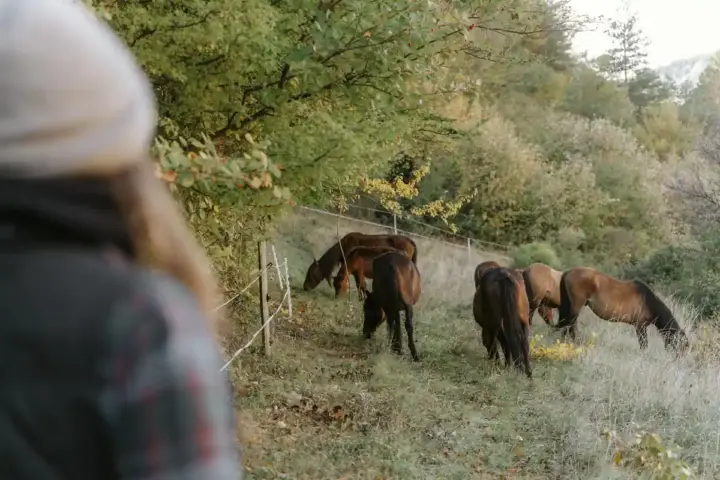
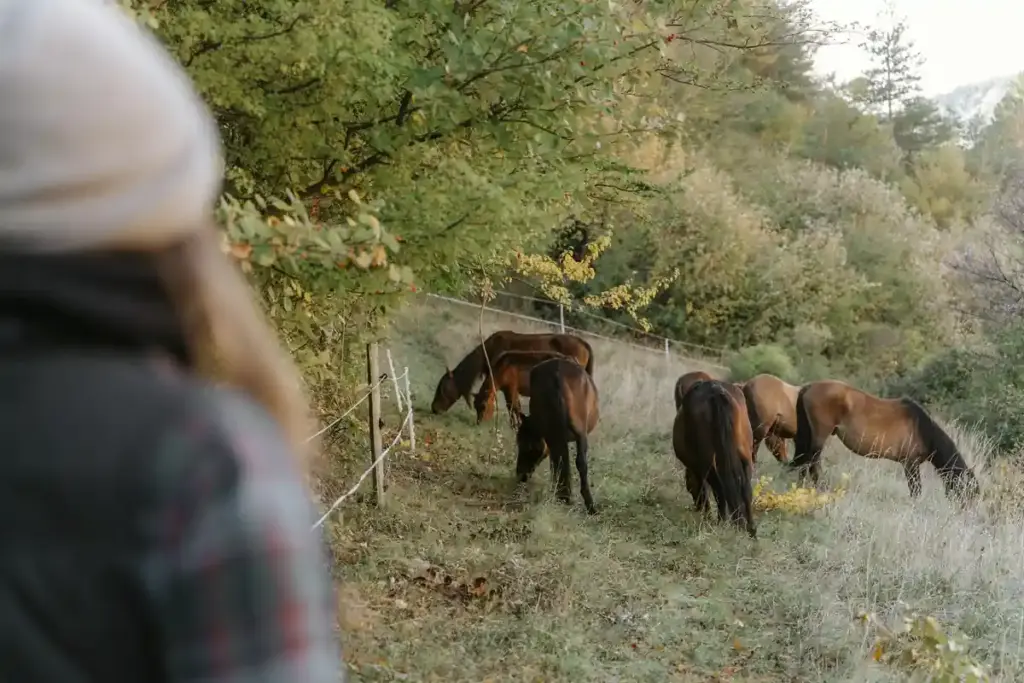
Ten Rewilding Horses Reach French Alps “Model Site” After 20-Hour Trip for Natural Grazing
Ten Semi-Wild Horses Settle Into 170 Hectares of Dauphiné Alps Rewilding Ten semi-wild horses have arrived at a private estate in France’s Dauphiné Alps and are settling in. The group reached the
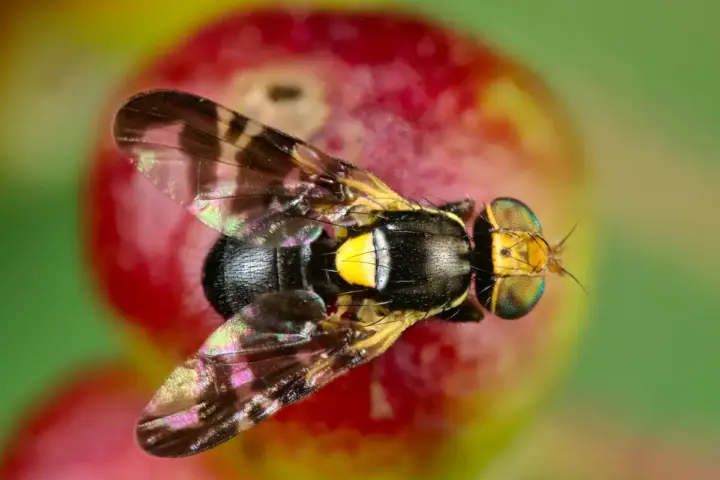
New York European Cherry Fruit Fly Quarantine Expands to 7,991 Square Miles
Does your county sit inside the New York European cherry fruit fly quarantine? If so, a federal order now covers it. The New York European cherry fruit fly quarantine has added Livingston
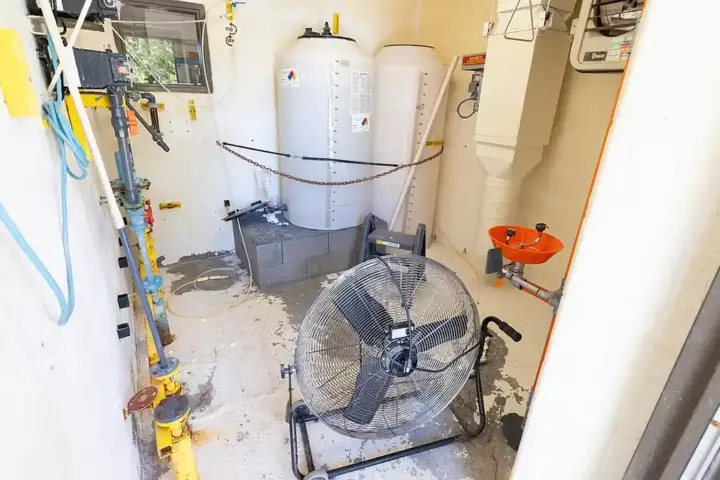
EPA Chemical Safety Settlements Top $1.3 Million Across California and Arizona
Live or work near a plant that stores ammonia or chlorine gas? New EPA Clean Air Act settlements in California and Arizona could matter to you. Federal regulators reached deals with eight
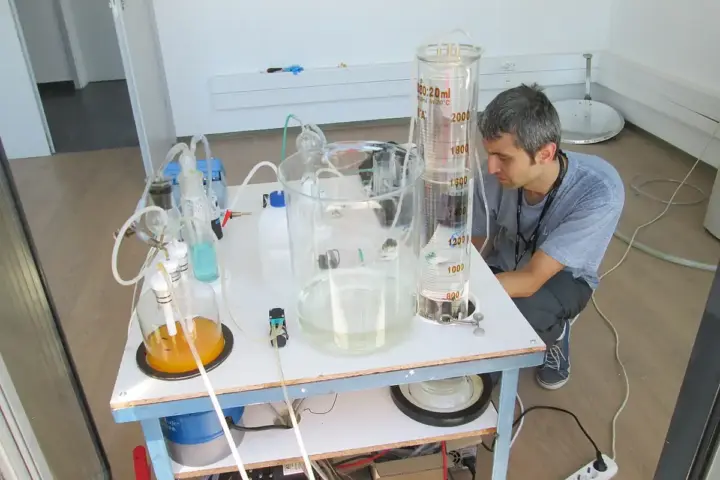
Visible Light CO2 Catalyst Turns Carbon Dioxide Into Industrial Feedstock for Nearly 4 Hours
Carbon dioxide is chemically stable, which makes it difficult to reuse. A team at Rice University has built a visible light CO2 catalyst that turns it into a useful chemical. Their catalyst

Wind, Solar and Batteries Cut Clean Power Costs Nearly a Fifth, Ember Finds
Wind, Solar and Batteries Cut Clean Power Costs Nearly a Fifth, Ember Finds For anyone who wonders whether clean power can keep the lights on through cloudy days and still nights, a
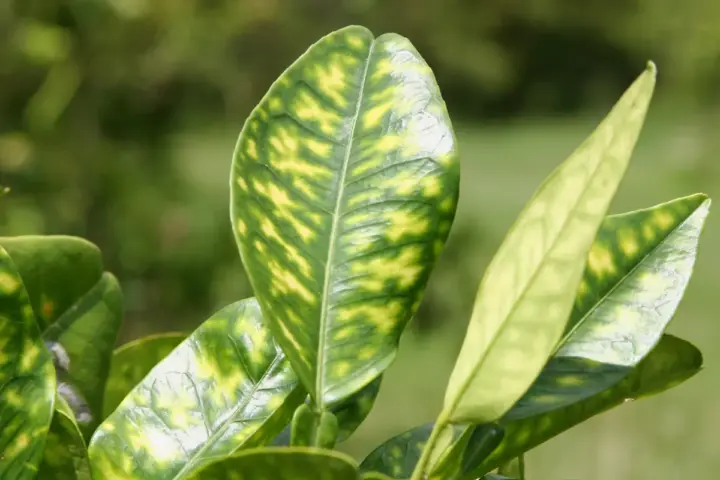
California Citrus Greening Quarantine Expands After One Positive Sample in Riverside County
If you grow citrus in the expanded Corona, Lake Elsinore, or Wildomar areas, federal rules on moving citrus may now apply to your trees. The U.S. Department of Agriculture has expanded the

D.C. Court Dismisses Three District-Court Challenges to Gulf ESA Exemption
D.C. Court Dismisses Three District-Court Challenges to Gulf ESA Exemption If you work offshore in the Gulf of America, or depend on its waters, one question matters most: does the federal exemption
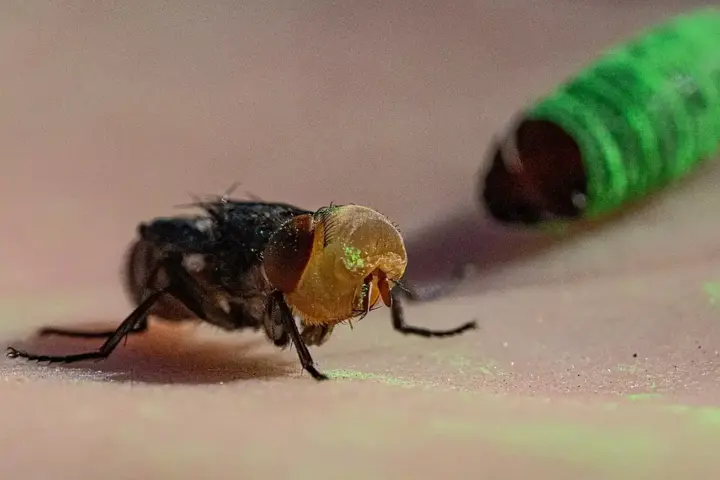
USDA Hires 228 for Sterile Fly Production Facility in Texas
If you raise cattle, horses, or pets in South Texas, New World screwworm is a threat worth watching for. The U.S. Department of Agriculture (USDA) has opened hiring for 228 positions to
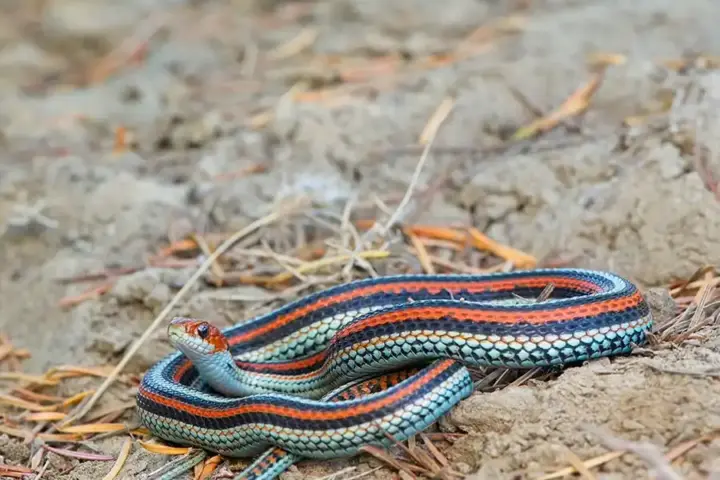
62 Endangered San Francisco Garter Snakes Return to the Wild in Historic First, With 130+ More Coming in 2027
62 Endangered San Francisco Garter Snakes Return to the Wild in Historic First, With 130+ More Coming in 2027 If you have ever worried that a local species is slipping away, this

Niue Ocean Earthshot Prize Win Pushes Endowment Fundraising Past Halfway as Fish Biomass Rises 60% Since 2016
Niue Ocean Earthshot Prize Win Pushes Endowment Fundraising Past Halfway as Fish Biomass Rises 60% Since 2016 Marine parks need steady funding to stay protected. Niue, a small island nation in the

MIT Voxel Building Blocks Could Cut Embodied Carbon by Up to 82% in One-Story Building Study
MIT Voxel Building Blocks Could Cut Embodied Carbon by Up to 82% Concrete and steel can account for substantial embodied greenhouse-gas emissions in buildings. If you worry that every new home, school,

MIT Voxel Building Blocks Could Cut Embodied Carbon by Up to 82% in One-Story Building Study
MIT Voxel Building Blocks Could Cut Embodied Carbon by Up to 82% Concrete and steel can account for substantial embodied greenhouse-gas emissions in buildings. If you worry that every new home, school,
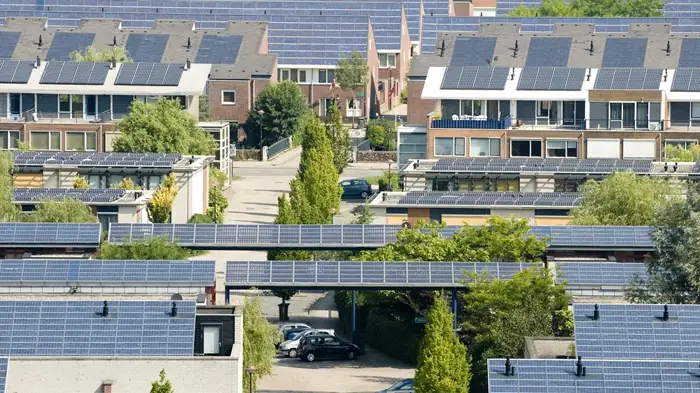
Residential Solar Heat Mortality: Rooftop Panels Cut Extreme-Heat Deaths by 8.5% in Japan
Residential solar heat mortality in Japan fell as rooftop panels spread across the country. A study in Social Science & Medicine reports the finding, and points to a practical way to keep

International TOAR-II Ozone Assessment Ties Smog to 500,000 COPD Deaths
If you have a parent or partner with COPD, a long-term lung disease, ozone matters to you. The same goes for anyone who checks the air quality forecast before a run. Ground-level
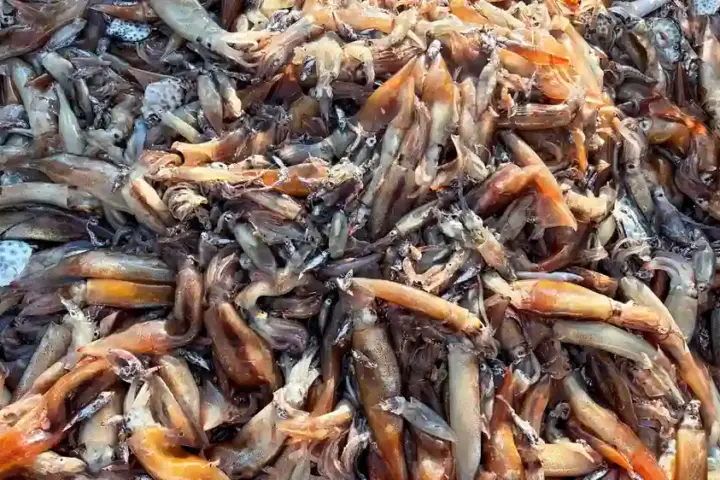
NOAA Ocean Observations Request for 2026 Closes Dec. 15
NOAA Fisheries wants to hear from you. If you spent time on the water in the Gulf of Maine, Georges Bank or the Mid-Atlantic Bight in 2026, tell the agency what you