CYCLOTEXUM Textile Recycling Centre: DITF Project Spins 100% Recycled Fibre Yarn
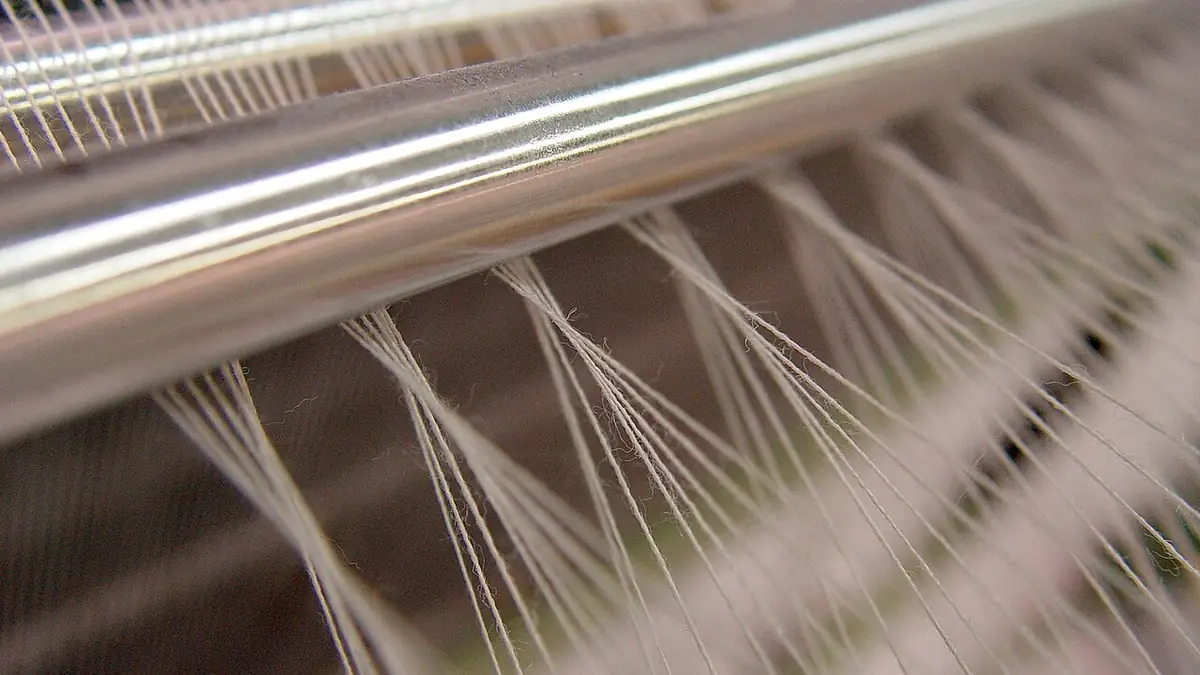
The CYCLOTEXUM textile recycling centre at the German Institutes of Textile and Fiber Research Denkendorf (DITF). It has turned production waste into a woven blouse made from 100 percent recycled fibres. Its researchers report that high-quality yarn can be spun from high-quality recycled fibre. The centre works with industry partners on mechanical and solvent-based recycling processes. The project has already produced concrete results.
Over a project period of seven and a half months, Module A and Module B ran in parallel. Module A covered mechanical recycling. It centred on a mechanical tearing plant built to obtain recycling fibres from textile waste. The team determined fibre data for mechanically torn secondary raw materials. It also developed a processing strategy that lets industrial processes be estimated from small laboratory quantities. Using the process chain set up at DITF, production waste was exemplarily processed into a woven blouse made from 100 percent recycled fibres. The module also produced spinning mill models for material flow and cost accounting. Those models let researchers evaluate recycled yarns and fabrics technically, economically and ecologically.
The findings are encouraging. High-quality recycled fibres can produce high-quality yarns. Production costs are not higher than when primary raw materials are used. The major advantage is that recycled fibres reduce CO₂ emissions. The release also reports the effects of low-quality recycled fibres. They include inadequate yarn quality, high waste rates, frequent process disruptions and higher staffing needs.

Latest from Fashion

Alex Consani Returns to Victoria’s Secret’s First LA Show Since 2007 Alongside Kylie Jenner’s Debut
Alex Consani walked the Victoria’s Secret Fashion Show on Sunday night at Sony Pictures Studios in Culver City, wearing a baby-pink structured cape during the runway portion of the event. Two years
Adriana Lima Returns to the Runway at 45 — and the Fashion Industry Is Paying Attention
Adriana Lima is returning to the Victoria's Secret runway this month, and commentary about her physical appearance has followed. Some of that commentary is celebrating what looks like a dramatic pre-show weight
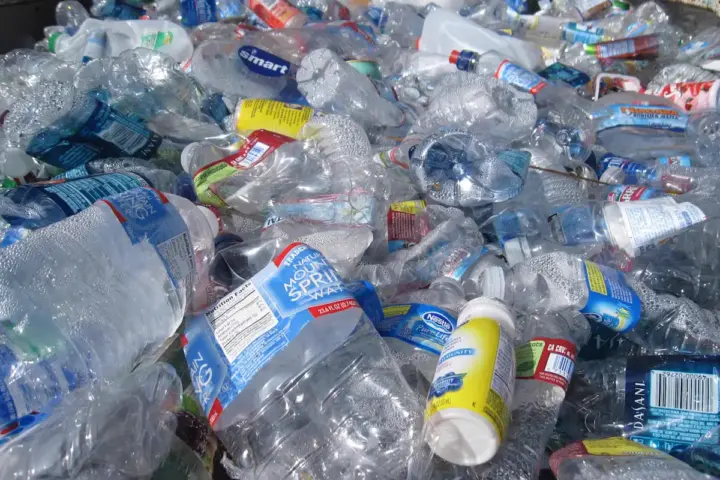
PFAS in Your Clothes Contaminates Water: Sweden Bans Forever Chemicals From Fashion by 2028
If you own a rain jacket, yoga pants, or hiking boots from the past few years, there’s a decent chance they’re slowly releasing forever chemicals into your drinking water. PFAS, or “forever

5 Laptop Bags That Make Monday Mornings in the Office Worth It
Monday mornings have a way of announcing themselves before the inbox does. There is the outfit you choose, the coffee you reach for, and the bag that carries your whole day into
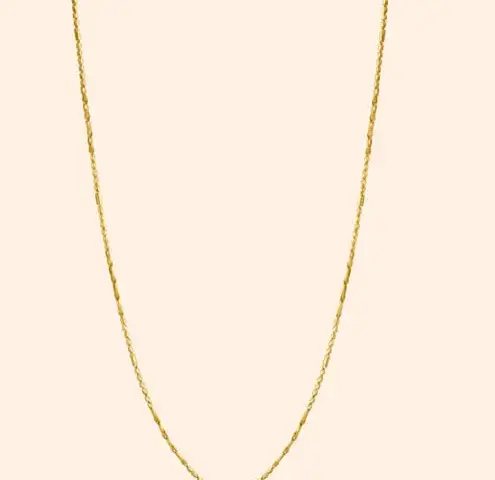
What are the Most Elegant Ladies’ Gold Chain Styles You Can Try This Year?
Jewellery often carries meaning beyond appearance, reflecting personal taste, cultural influence, and everyday style in a quiet way. Yet finding pieces that feel refined, versatile, and suitable for regular wear can sometimes

Top Tips for Styling Your Australian Outback Hats This Season
Australian outback hats are more than just a practical accessory. With a rich history and versatile style, they have charmed their way into wardrobes across the globe. These hats combine functionality and
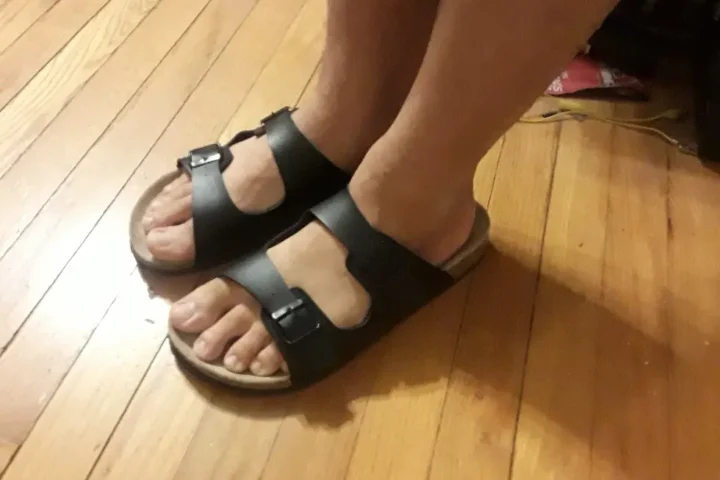
Battle of the Brands: Who Wins the Longevity Test – Birkenstock or Others?
It was one of those perfect evenings. We were halfway through our post-dinner walk with Buddy (our Labrador, who acts like he hasn’t moved all day), and we were just rambling on
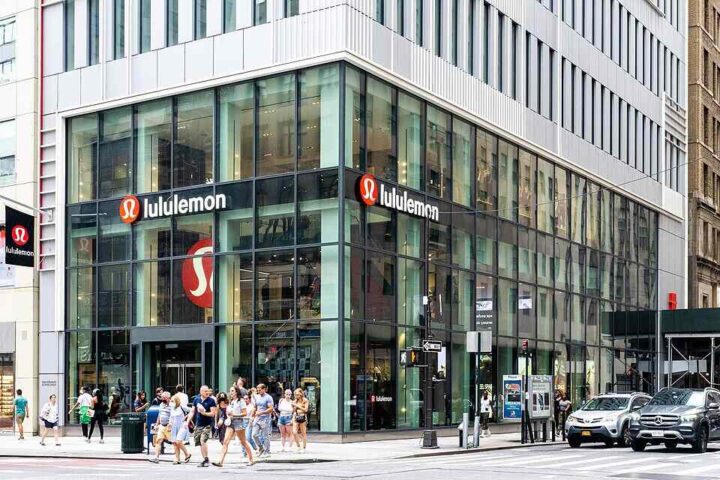
Lululemon Stock Crashes 17% After CEO Admits ‘Too Predictable’ Product Line Caused $240M Tariff Impact
Lululemon’s stock plunged approximately 17-19% after Thursday’s Q2 earnings call when CEO Calvin McDonald admitted what many customers might have already felt about their product lineup. “We have become too predictable within
56 Indian Designers Ban Feathers as Stella McCartney and PETA Reveal 3.4 Billion Birds Harmed Annually
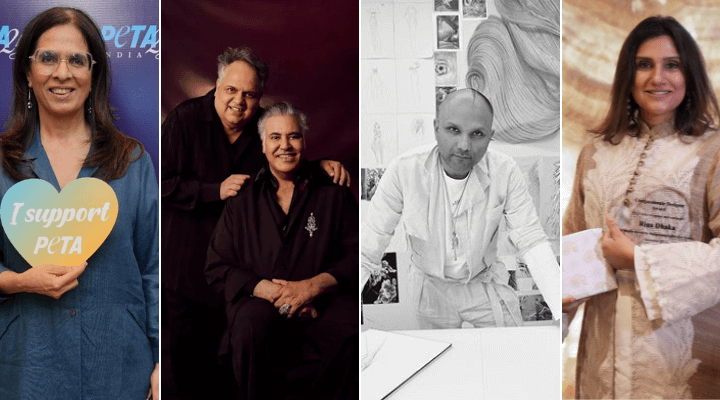
On July 9, 2025, more than 50 Indian designers pledged to go feather-free. These creative minds—including household names like Anita Dongre, Abu Jani-Sandeep Khosla, and Gaurav Gupta—signed PETA India’s Feather-Free Pledge on
German BioFibreLoop Spins Lignin-Cellulose Fibers into Sustainable Textiles: €7M Project Targets PFAS-Free Gear
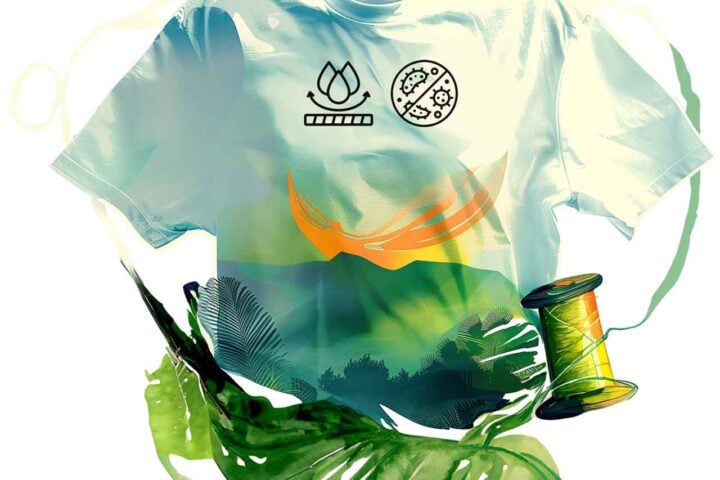
The textile world is buzzing after German researchers successfully spun fibers from lignin and cellulose, offering progress toward bio-based textiles. But here’s the twist – while the tech breakthrough is real, the
MIT’s Smart Clothes: 95% Accurate Health Monitoring
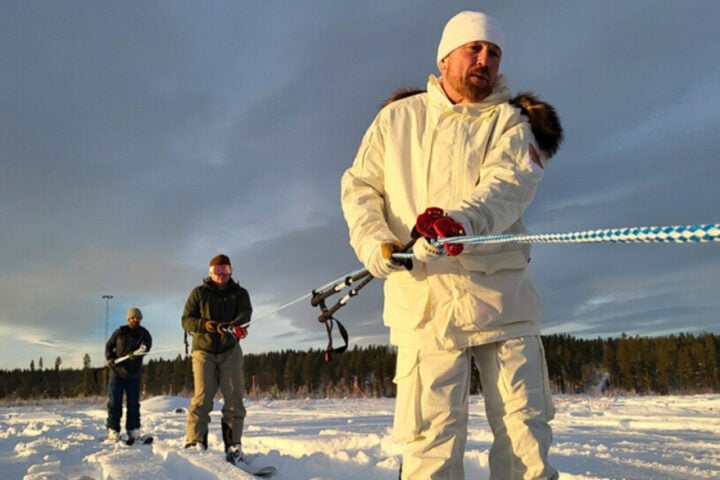
MIT researchers have developed a revolutionary fiber computer that can be woven directly into clothes, allowing everyday garments to monitor health, analyze movement, and potentially save lives in extreme conditions. Unlike typical

Temu, Shein Products Found with Excessive Toxic Chemicals
Testing labs have found toxic chemicals in specific Temu products, including sandals and children’s items. The chemicals found aren’t just slightly over the limit – they’re multiple times higher than what’s considered
Biodegradable E-Textiles Revolutionize Health Monitoring While Cutting Environmental Waste
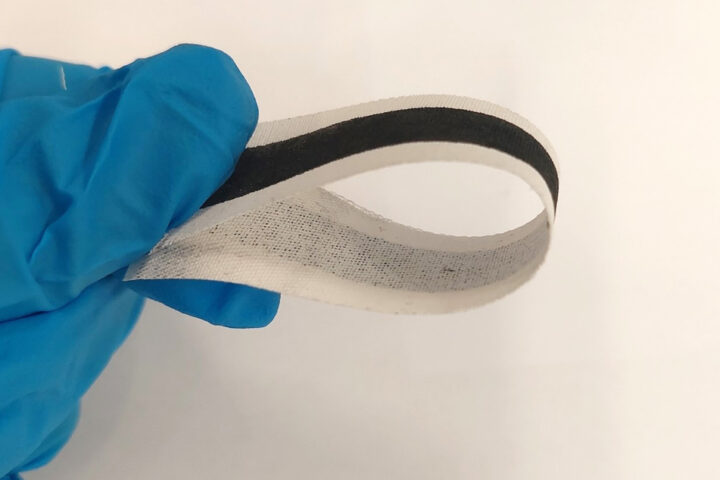
Research teams from UWE Bristol and University of Southampton have engineered electronic textiles (e-textiles) that decompose naturally while maintaining medical-grade monitoring capabilities. The Smart, Wearable, and Eco-friendly Electronic Textiles (SWEET) project, published
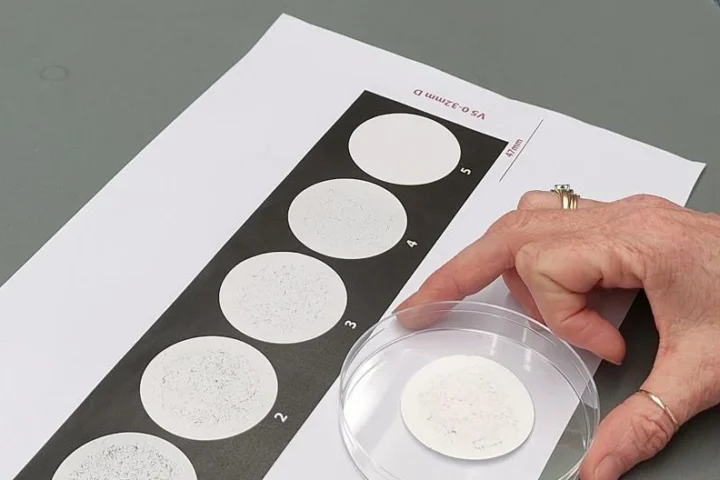
Fashion’s Role in 14 Million Tonnes of Microplastics: Can Heriot-Watt’s Fibre Fragmentation Scale Transform Clothing Industry Standards?
An estimated 14 million tonnes of microplastics currently blanket the ocean floor, with the fashion and textile industry standing as one of the primary contributors to this environmental crisis. This alarming accumulation
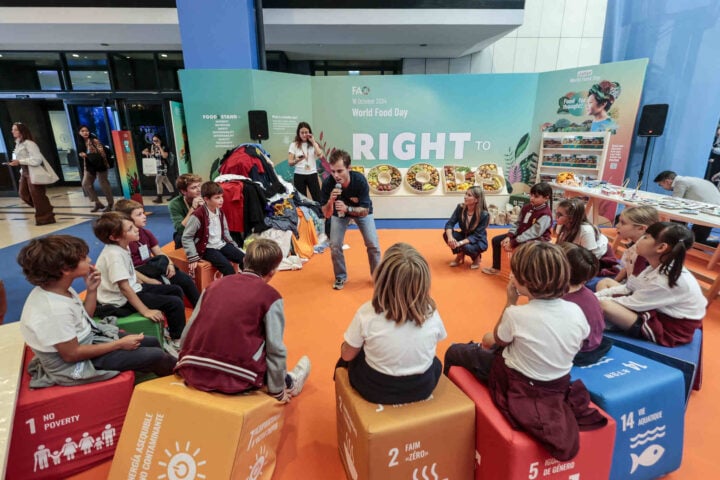
Children Explore How Fast Fashion Pollutes 20% of Water: FAO’s December Workshop in Rome
In an era where fast fashion dominates retail shelves, the Food and Agriculture Organization (FAO) takes a step to educate the next generation about sustainable clothing choices. The organization will conduct a