NASA X-70 Fractal Aircraft: Modular Crewed Experimental Jet
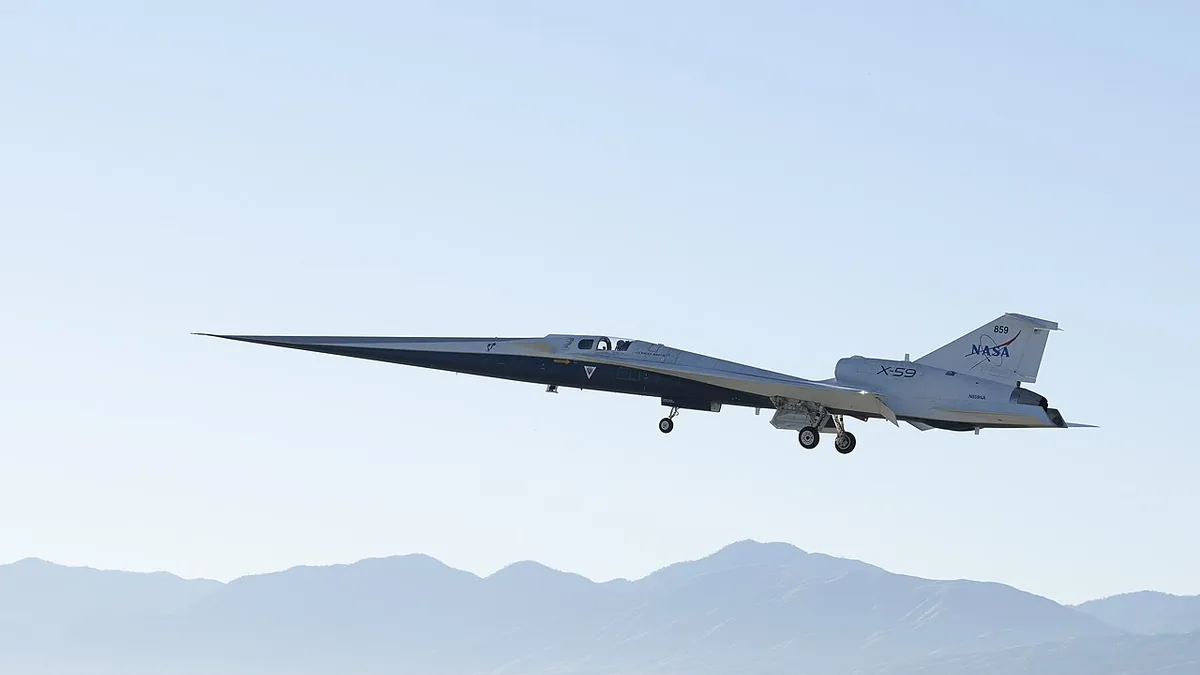
The NASA X-70 Fractal aircraft is a modular crewed experimental research jet. It was built to test new flight-control technology and swap payloads quickly. The X-70 Fractal can accommodate up to 2,000 pounds of experimental payloads and is designed to swap them rapidly. NASA expects its first flight under the agency’s banner within two years, though it has not announced a specific flight date.
NASA introduced the X-70 on November 4, 2026. The event was the UP.Summit at Kennedy Space Center in Florida. The crewed experimental aircraft has a takeoff weight of 10,000 pounds. It is designed to cruise at Mach 0.75. It can reach altitudes up to 45,000 feet, with a range exceeding about 1,726 miles, or 1,500 nautical miles.
The X-70’s rapidly reconfigurable flight-control technology is intended to let researchers explore aircraft maneuverability in ways never before demonstrated in crewed flight. Its internal and external experimental payloads can total up to 2,000 pounds. NASA Administrator Jared Isaacman said the agency expects the aircraft’s first flight under NASA’s banner within the next two years.
The X-70 joins NASA’s experimental-aircraft lineage. That line runs from the Bell X-1 and the X-15. It ends, for now, with the X-59 quiet supersonic demonstrator.


Latest from Science

October 2026 Global Temperature Surge: NOAA Logs 2.57°F Largest Monthly Departure As 11 Major Cyclones Form
October 2026 global temperature records arrived together. The month brought the strongest departure from average in NOAA’s 1850–2026 record. It also set a fifth consecutive monthly ocean record and saw tropical cyclone

Culling Seals and Sea Lions Won’t Save Salmon, NOAA Study Finds
One question for West Coast salmon managers and anglers is whether removing seals and sea lions from the ocean can help Chinook and coho recover. A NOAA Fisheries and Oregon State University
Atom Computing CHIPS Award Finalized with $100M Ceiling to Build Utility-Scale Quantum Systems
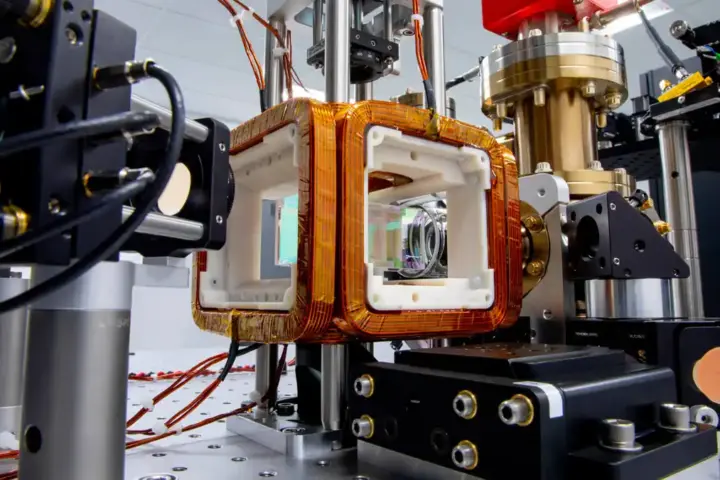
Scaling a quantum computer involves more than increasing its qubit count; the system must also support qubit control and integration. The U.S. Department of Commerce has finalized an award of up to
First Light Fusion FLARE: Central Laser Facility Models Fast-Ignition Fusion
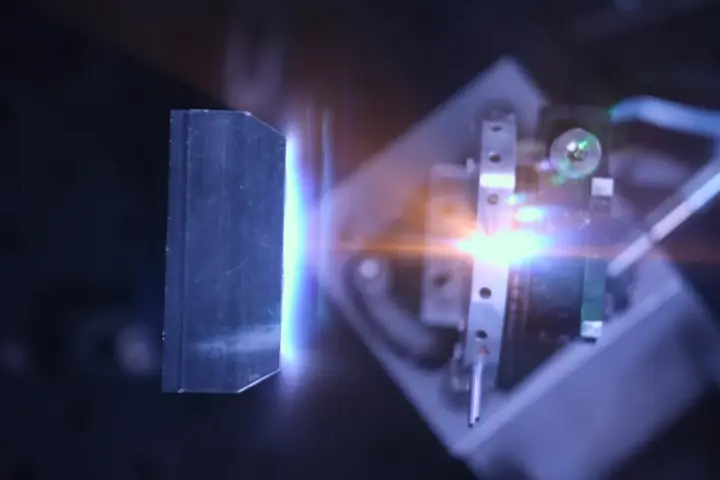
For UK fusion investors and energy planners, a central question is whether inertial fusion can reduce the laser energy needed for ignition while maintaining high fusion gain. STFC’s Central Laser Facility (CLF)
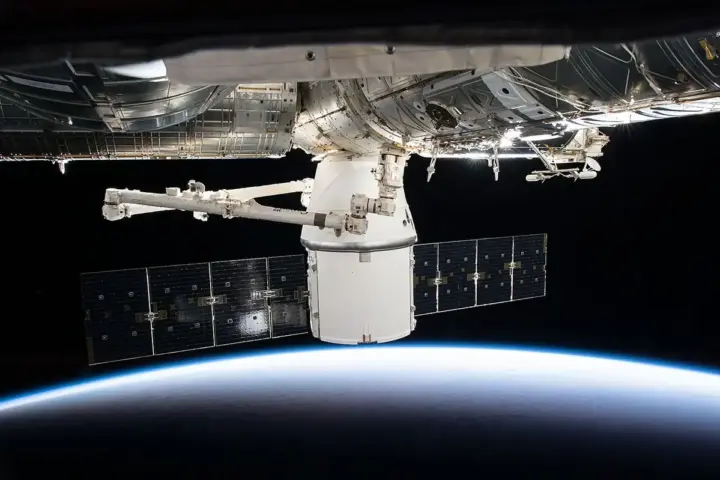
SpaceX Dragon Splashed Down Near LA With NASA Cancer Samples
For medical researchers and spaceflight followers, the November 21 return of SpaceX Dragon near Los Angeles brought home samples for research into heart disease, cancer, and drug-resistant infections. The capsule completed NASA’s

Ketogenic Diet Liver Fat Trial: 67% Drop as Half Left Prediabetes
For adults with obesity who also have prediabetes and fatty liver disease, weight loss may not be the only factor that matters. It can be linked to metabolic improvement as well. In

FDA San Pedro Shelf Shellfish Survey Finds Waters Not Approved for Harvest
FDA Survey Finds San Pedro Shelf Federal Waters Do Not Meet Approved Shellfish-Harvest Requirements Southern California seafood buyers may wonder whether the FDA’s finding about the San Pedro Shelf affects shellfish in

FDA Deramiocel Duchenne Approval Blocked After HOPE-3 Data Findings
FDA Issues Complete Response Letter for Capricor’s Deramiocel BLA for Duchenne Muscular Dystrophy For families affected by Duchenne muscular dystrophy, the FDA’s deramiocel decision means the evidence in Capricor Therapeutics’ application did
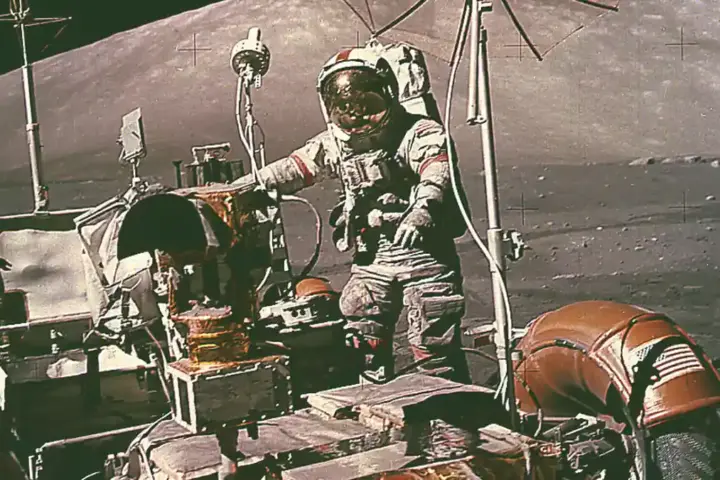
Lunar mining moratorium urged as Wild West rush feared
The quantity and accessibility of lunar south-polar ice remain highly uncertain. Several governments and dozens of private companies want lunar resources. The Outer Space Treaty bars national appropriation, but leaves major unresolved
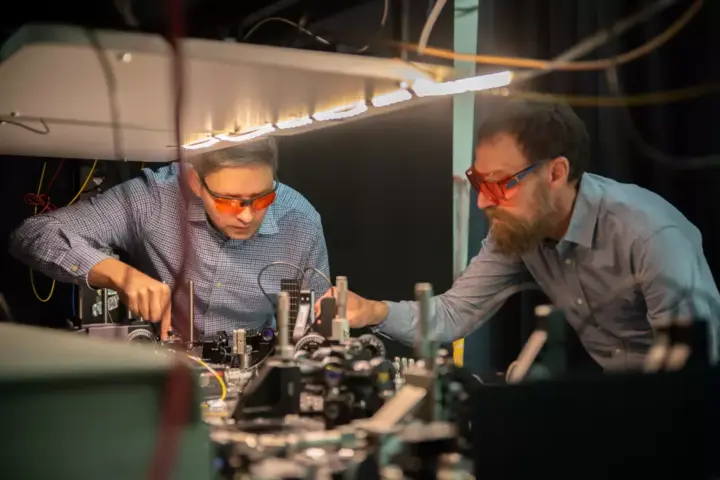
NIST Quantum Position Verification Experiment Targets Remote Hackers as Cybercrime Losses Exceeded $16 Billion
A remote hacker who steals login details may still be far from the bank, hospital or control room they want to access. NIST researchers have tested a way to make physical location
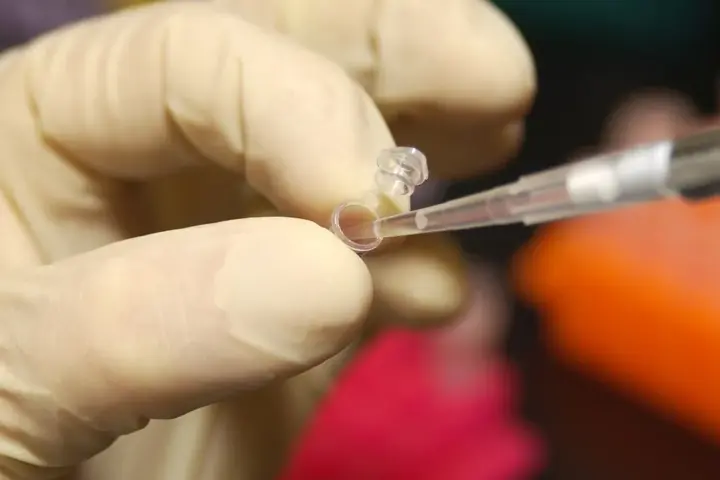
Endometriosis Genetic Study Findings: 27 New Regions and 314 Genes
Chronic pelvic pain and fertility challenges can lead people to seek answers about their symptoms. The endometriosis genetic study findings come from an NIH-supported analysis of more than 1 million participants. The

Mycotoxins found in 212 tested plant-based foods, study reports levels below EU guidelines
People who eat plant-based burgers, sausages or milk alternatives may be concerned by a study finding fungal toxins in every product tested. Researchers examined 212 UK products and detected at least one

Daraxonrasib pancreatic cancer pill: FDA approval covers previously treated metastatic disease
Patients with advanced pancreatic cancer and their families may be asking whether daraxonrasib offers another treatment option after chemotherapy. The medicine, developed by Revolution Medicines and marketed as RASONQUE, is an oral
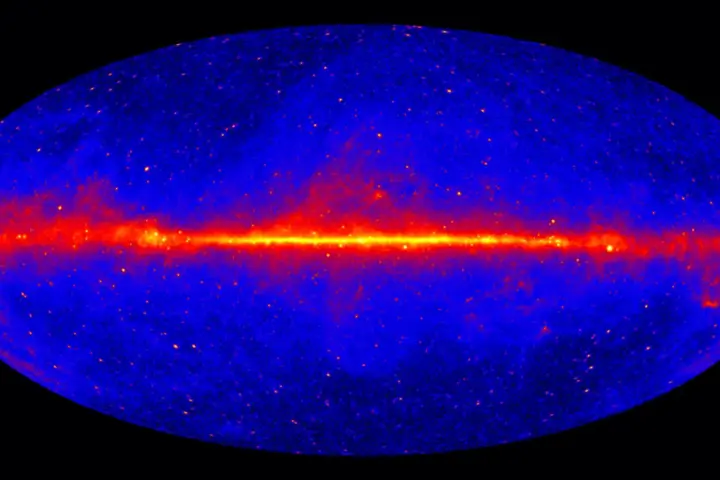
NASA Fermi Pulsar Cryptography Search Finds 261-Hz Dead Star a Million Times Faster
The NASA Fermi pulsar cryptography search found a dead star in open telescope data a million times faster than earlier methods. Astronomers located PSR J1622−7204, an isolated pulsar that spins 261 times
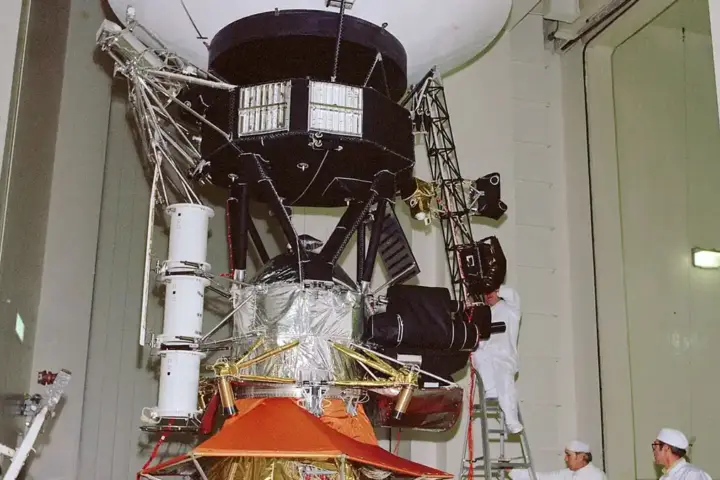
NASA Confirms Voyager 1 Reached One Light-Day From Earth, a 48-Hour Message Delay
NASA’s Voyager 1 probe crossed the one light-day distance from Earth on November 18, 2026, at 5:16 a.m. EST. The Jet Propulsion Laboratory confirmed the milestone at about 173 Astronomical Units. It