Rahul Somvanshi
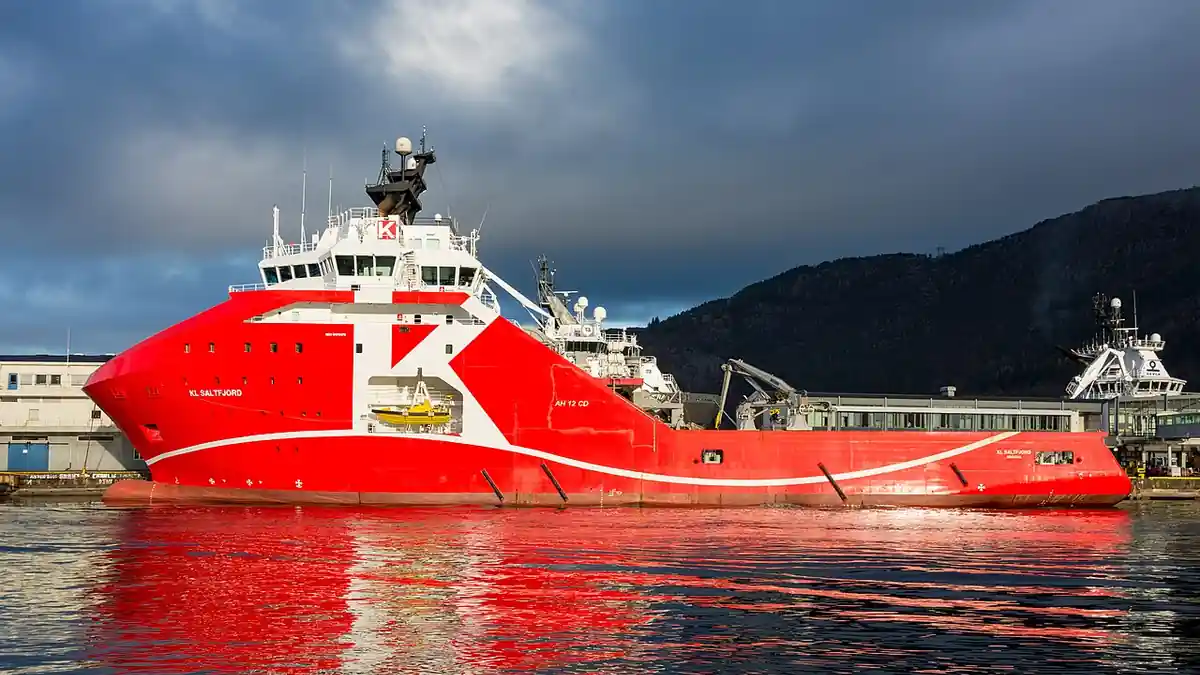
The Canadian Coast Guard will keep its BC emergency towing vessels on contract through 2028, two years beyond the previous arrangement. The extension covers Atlantic Eagle and Atlantic Raven, the pair that has pulled disabled tankers and container ships away from British Columbia’s shore since 2018. Ottawa announced the decision on November 19, 2026.
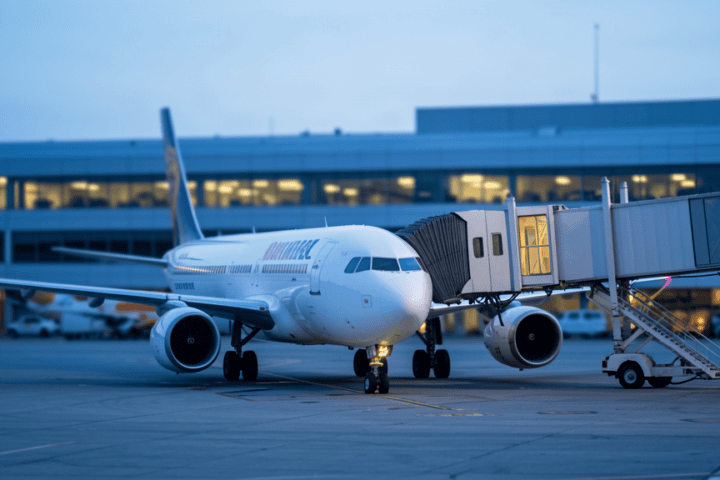
The Canadian Coast Guard is extending the contract for two emergency towing vessels that operate off the British Columbia coast. The vessels tow large commercial ships in distress, including oil tankers and container vessels, away from shore and other hazards. They also support search and rescue and marine environmental hazard response.
One vessel patrols northern British Columbia waters between Alaska and the northern tip of Vancouver Island. The other patrols southern waters, including the west coast of Vancouver Island and the Strait of Juan de Fuca. Both are crewed by Atlantic Towing personnel and supplemented by Canadian Coast Guard personnel.
The contract now runs until 2028, an interim measure that supports the development of a long-term national towing strategy.
For coastal residents and the mariners who work these waters, the direct effect is two more years of dedicated towing cover. A large ship that loses power or steering near a reef or a busy lane can ground before a tug arrives from far away. Keeping both vessels under contract shortens that wait and gives the coast guard a prevention tool that works before fuel starts to spill.
Emergency towing is the work of moving a ship that cannot move itself. A tug with enough pulling force can hold a large vessel against wind and current. It can also pull a ship clear of a shore, a reef, or another vessel. On a coast with narrow channels and heavy weather, that capacity is the difference between a near miss and a grounding.
Why Canada Extended the Atlantic Eagle and Atlantic Raven Contracts
The extension delivers on a commitment Prime Minister Mark Carney made in January 2026. He pledged to keep the emergency towing contracts in place until 2028 while Canada builds a long-term national towing strategy. The November announcement completes that pledge.
The vessels were first leased in 2018 under the Oceans Protection Plan. That federal program was set up to strengthen emergency towing capacity on Canada’s West Coast. The coast guard says they were designed to operate in the open waters used by large container ships and tankers.
“The Government of Canada is delivering on a commitment made to coastal communities and First Nations partners on ocean protection,” said the Honourable David J. McGuinty, Minister of Defence.
Where the Two Emergency Towing Vessels Patrol Off BC
The patrol split covers two different stretches of coast. The northern vessel works the waters between Alaska and the northern tip of Vancouver Island. The southern vessel works the west coast of Vancouver Island and the Strait of Juan de Fuca.
Together the pair covers the approaches that large ships use along the inside passage and the outer coast. The coast guard describes them as a prevention and response tool that supports safer navigation, protects coastal communities, and safeguards the marine environment.
Kevin Brosseau, Commissioner of the Canadian Coast Guard, said the two-year contract “will strengthen our ability to respond to incidents involving large ships.”
100+ Incidents Since 2018 Under the Oceans Protection Plan
Since 2018 the two vessels have responded to more than 100 incidents in British Columbia waters. The coast guard does not publish a breakdown of those incidents. What it says is that the vessels tow large ships in distress away from shore and other hazards. They have become an important prevention and response tool.
The work runs alongside coastal First Nations and partners. The coast guard says it continues to work closely with coastal First Nations to strengthen marine safety and improve emergency response. It also works to protect Canada’s oceans and coastlines from the impacts of shipping.
Bridge to a Long-Term National Towing Strategy
The two-year extension is interim. The longer goal is a national towing strategy, which the federal government is still developing. Until that plan is finished, the Atlantic Eagle and Atlantic Raven remain the standing towing capacity on the West Coast.
The announcement sits inside the Government of Canada’s broader national Oceans Strategy, which frames marine protection and ocean economic growth together. The coast guard works from strategic patrol areas on the West Coast. It supports a broad range of operations, including marine environmental and hazard response and search and rescue.
The contract now runs to 2028. The national towing strategy that will replace it has no announced date. Coastal communities and mariners can expect Atlantic Eagle and Atlantic Raven to hold their northern and southern patrol areas until the longer plan is settled. The coast guard has said it will keep working with coastal First Nations through that period.