Rahul Somvanshi
A trash boom, an oil-absorbent boom, dredging, vegetated banks, riffles and freshwater mussels can all play a role in restoring a polluted waterway. But none turns a toxic river clean on its own—and some can make pollution worse if used without testing, permits and a plan for what happens to the waste.
What the tools can do
Trash booms are floating barriers that direct bottles, plastic and other floating debris to a collection point. They are useful downstream of drains and at river mouths, but must be emptied regularly and designed so they do not become a flood or navigation hazard.
Sorbent booms are used to contain or absorb oil on the water surface. They are a spill-response tool, not a cure for oil entering continuously from drains, workshops or industry. Used material can itself become hazardous waste.
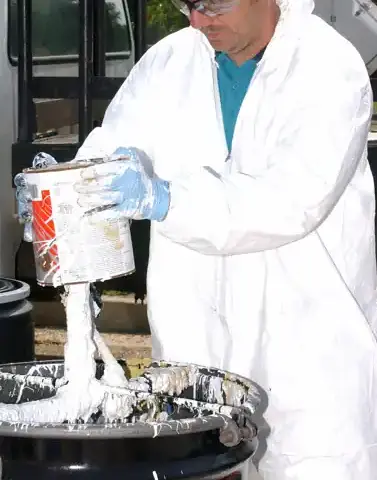
Geotextile dewatering tubes can separate water from dredged sludge. But a tube does not make contaminated sediment safe. Before dredging, agencies need to test sediment for metals, hydrocarbons and other contaminants, control turbidity and send the retained material to an authorised treatment or disposal facility.
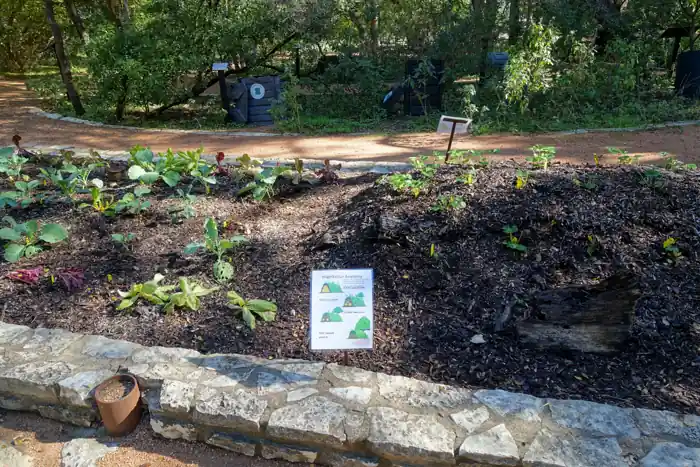
Riparian buffer strips of native grasses, shrubs and trees can slow runoff, trap sediment and reduce nutrient inputs. They work best when the pollution source is also controlled; they cannot handle untreated sewage or major industrial discharge alone.
Riffles—shallow, fast-moving stretches over gravel or rock—can improve habitat and oxygen exchange in an appropriate stream-restoration design. Randomly piling rocks into a river can worsen flooding, block fish movement or destabilise banks.
Mussels are not a DIY filter
Freshwater mussels are important filter feeders. Their filtration rates vary enormously by species, size, temperature and water conditions; estimates often run to many litres a day for an individual. But they are not a substitute for treating sewage or stopping pollution at source. They can accumulate metals and other contaminants, and moving or adding mussels without expert assessment can spread disease, damage local populations or introduce the wrong species.
Where real cleanup begins
The first task is a source inventory: map sewage outfalls, solid-waste dumping, stormwater inflows, industrial discharge and agricultural runoff. Then measure water quality and sediment quality before deciding whether to intercept waste, repair sewers, install treatment, restore banks or remove contaminated material.
India’s river-restoration guidance similarly emphasises gap analysis for sewage, industrial effluent and waste management. Cosmetic cleanup without source control often fails at the first monsoon.
Community groups can safely document outfalls, organise cleanups of accessible litter with protective equipment, plant approved native buffers and press agencies to publish monitoring data. They should not dredge toxic sludge, deploy barriers across active channels or release mussels without approval and specialist design.
Sources: CPCB’s water-body restoration guidance; India’s National Framework for Sediment Management; and freshwater-mussel filtration guidance. The submitted Reel was used as a discovery lead.