Tejal Somvanshi
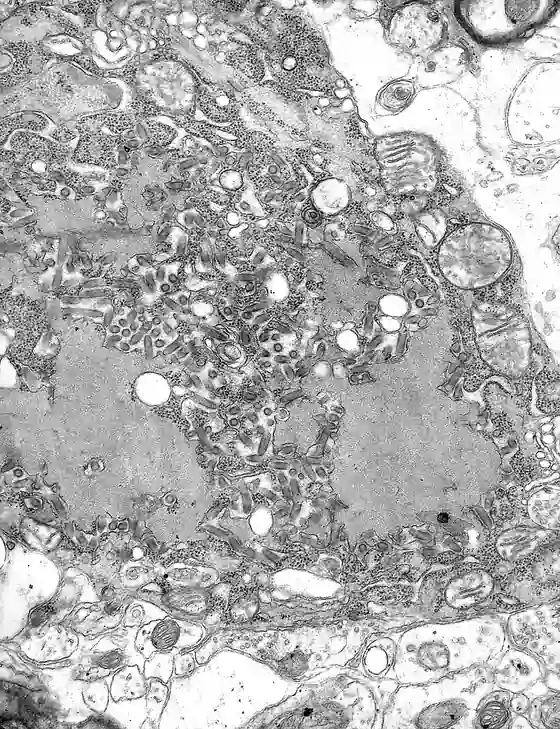
Whether rabies can spread through raw milk or charanamrit became an urgent question for around 450 villagers near Gorakhpur, Uttar Pradesh, in late October 2026. They had consumed the Durga Puja offering—unboiled cow’s milk, curd, and honey—from a cow that was bitten by a suspected rabid stray dog, showed abnormal behavior, and died before any laboratory test confirmed its diagnosis.
The vaccination drive was organized by pharmacist Siddharth Singh and overseen by CHC in-charge Dr. Amarendra Thakur across two villages. Veterinarian Dr. Siddiqui, who examined the animal at Dadi village, confirmed the cow died without laboratory brain-tissue analysis, meaning rabies was never formally verified. Officials administered post-exposure shots to cover a theoretical risk: unboiled raw milk could, in principle, allow the virus to contact a participant’s mucous membrane if open ulcers were present inside the mouth. No participant reported symptoms, and health workers described the drive as precautionary.
If you consumed milk, curd, paneer, or ghee made from boiled or pasteurized milk, your rabies risk is zero—heat destroys the virus. Because charanamrit is made with unboiled raw milk, a theoretical risk exists only if you have open cuts or ulcers in your mouth. The real high-risk exposure is milking or handling a sick cow with cracked hands, or direct contact with its saliva.
Why Doctors Vaccinate Anyway—and the Real Raw Milk Risks
Doctors acknowledge the Gorakhpur vaccination was precautionary rather than strictly evidence-based. It echoes a 1990s Massachusetts episode where health officials issued precautionary guidance after raw milk from a suspected rabid cow entered the supply, even though no confirmed human cases were linked to oral exposure. The World Health Organization and India’s National Rabies Control Programme place dog bites as the source of 99% of human rabies cases; milk ingestion is not a listed transmission route.
Raw milk, however, carries far more documented hazards. Brucellosis and bovine tuberculosis—both transmissible through unpasteurized dairy—are consistently linked to raw milk in rural India, yet attract far less public alarm than sporadic, unconfirmed rabies cases.
The One Health dimension matters here. Stray dogs biting dairy cattle in agrarian villages represent a frontline vulnerability in India’s rabies control strategy. When uncontrolled stray populations intersect with rural livestock, public anxiety often migrates from the dog bite itself to the milk pail.
The Gorakhpur response inverted rabies epidemiology. Four hundred and fifty villagers received post-exposure shots for a charanamrit exposure with zero documented human cases in medical history, while National Rabies Control Programme data show that 55.1% of people who suffer actual dog or puppy bites in India never seek the post-exposure vaccine.
Can rabies spread through raw cow milk or charanamrit? Drinking milk is not an established route of human rabies transmission, and boiling or pasteurizing kills the virus completely. Raw charanamrit carries only a rare, theoretical risk if the virus contacts open mouth ulcers or broken skin, though doctors often vaccinate exposed groups as a precaution.
The Gorakhpur camp carries two evidence-based reminders: boil or pasteurize all milk used in ritual preparations, and seek immediate post-exposure prophylaxis for any animal bite or scratch—regardless of whether the animal appeared visibly sick at the time.
For related context, see Karmactive’s earlier coverage and latest explainer.