 Tejal Somvanshi
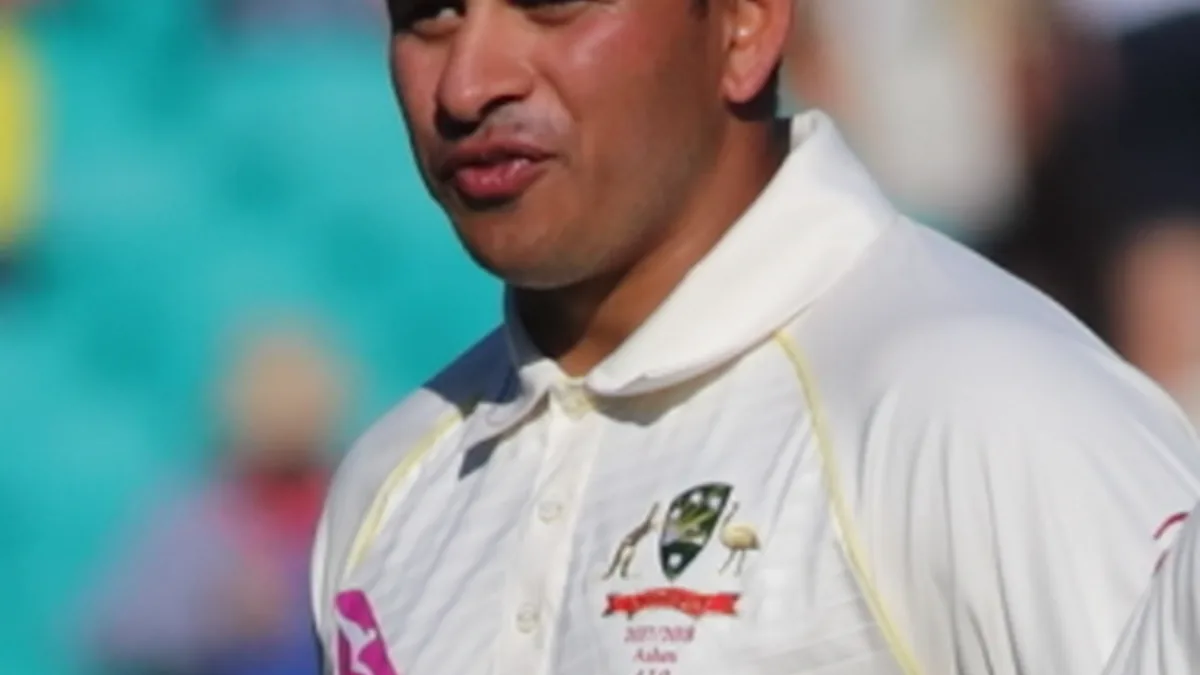
Usman Khawaja kept a painful secret through his whole cricket career. The Australian Test batter was diagnosed with rheumatoid arthritis at 22, an age when few people expect a joint disease. Even his childhood friend David Warner and Test teammate Michael Hussey did not know. He has now told his story on ABC’s Australian Story.
Rheumatoid arthritis (RA) is an autoimmune condition. That means the immune system, which normally fights infection, attacks the lining of the joints. Khawaja was diagnosed at 22. He played 88 Test matches for Australia before retiring after the Ashes win in January. He described the pain in stark terms: “I genuinely thought I was going to die.” ABC published the account on 25 October.
For people living with rheumatoid arthritis, Khawaja’s story shows that a diagnosis does not have to end a physical career. His decision to speak openly may matter most to people who have kept quiet about their own diagnosis.
Why a diagnosis at 22 stands out
RA is more common in women than in men. It most often begins between the ages of 30 and 60. That makes a diagnosis at 22 unusual, which is part of why his career stands out.
How rare is rheumatoid arthritis in young men? It is less common in young men than in older adults and women. The condition can strike at any age, but it most often begins between 30 and 60. A diagnosis in the early twenties, like Khawaja’s, falls outside that common pattern. Treatment usually uses medicines that slow the immune attack on the joints.
Elite sport asks a lot of the body. Khawaja managed an autoimmune disease through a career that included 88 Test matches. This is the detail that often gets lost in headlines about the story. It is analysis, not a claim Khawaja has made in these terms.
For more, read our guide to autoimmune conditions and our retrospective on Khawaja’s career.
Usman Khawaja was diagnosed with rheumatoid arthritis at 22 and kept his condition private for years. He has now spoken openly on Australian Story. He says he now wants to use his platform to speak up for people.